Port Vincent, LA · Livingston Parish
Attic Water Extraction in Port Vincent, LAAttic Moisture Inspection & Attic Leak Water Cleanup
Attic Water Extraction in Port Vincent includes attic leak water cleanup, roof leak water removal and ceiling water damage cleanup.
Answered 24/7
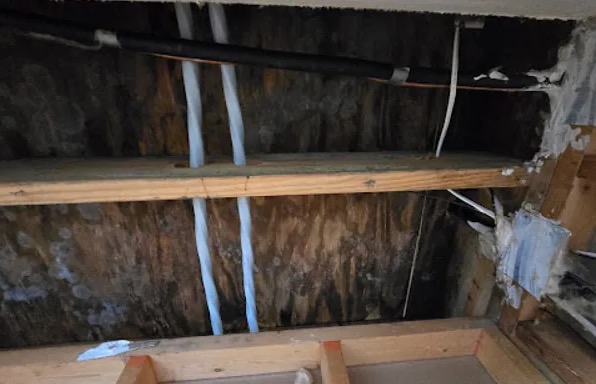
Professional Attic Water Extraction in Port Vincent, LA
Attic water is hard to reach. Joists are narrow, headroom is low and the ceiling drywall cannot hold a person's weight. In Port Vincent, extraction in an attic takes boards, lighting and careful footing.
Homeowners in Port Vincent can call (504) 608-0810 day or night when water is coming through the ceiling. Service also covers French Settlement, Old Jefferson and Sorrento, with the same extraction and drying steps.
Attic Water Extraction and Damage Mitigation in Port Vincent
Attic Moisture Inspection
Moisture meters and thermal cameras check decking, rafters, insulation and ceiling drywall for water that is not visible.
Attic Leak Water Cleanup
Water from a roof or plumbing leak usually runs along rafters before it drips. Cleanup follows that path and removes water wherever it pooled.
Ceiling Water Damage Cleanup
The ceiling under a wet attic is checked with a meter. Damp drywall may dry in place, while sagging drywall is drained and removed.
Attic Drying Services
Air movers and dehumidifiers are set on boards across the joists to dry rafters, decking and the ceiling below safely.
Emergency Attic Water Extraction
Help is available any hour, because water sitting on top of a ceiling can bring the drywall down within a day.
Indicators of Attic Water Damage in Port Vincent
Damp Attic Insulation
Insulation that feels damp, looks matted or has dark patches has been soaking up water.
Condensation on Attic Surfaces
Droplets or damp patches on the underside of the roof decking point to a moisture and ventilation problem.
Increased Indoor Humidity
Upstairs rooms that feel humid or clammy may have moisture coming down from the attic.
Water Stains on Ceiling
A brown or yellow stain on an upstairs ceiling usually means water is sitting on the drywall from the attic.
How Attic Water Extraction Works in Port Vincent
Step 1: Attic Leak Source Identification
The pros trace the water to the roof, a pipe or the AC pan and stop it with a tarp or shut-off.
Step 2: Flooded Attic Cleanup
Water, wet debris and fallen insulation are removed, and stored items are moved out of the attic.
Step 3: Structural Drying Setup
Equipment is placed to dry the framing and decking, with the room below checked and dried too.
Step 4: Attic Mold Prevention Treatment
Once dry, wood that stayed wet for days can be cleaned and treated with an antimicrobial.
Common Causes of Attic Water Damage in Port Vincent
Attic Appliance Malfunction
Water heaters, humidifiers and other attic equipment can fail and leak with no warning.
Condensation From Poor Ventilation
Warm, moist air from the house condenses on roof decking when the attic lacks ventilation.
Roof Leaks From Storm Damage
Wind and hail can lift or break shingles, letting rain reach the decking and the attic floor.
Aging or Deteriorated Roofing Materials
Old, curled or cracked shingles and worn underlayment let water through during heavy rain.
Attic Water Extraction for All Properties in Port Vincent
Residential Attic Water Extraction
In two-story homes, attic leaks can reach upstairs ceilings and run down into walls. Each wet area is checked with a meter and dried.
Commercial Attic Water Extraction
Flat-roof buildings often have leaks that travel far before they drip. The water path above the ceiling is traced so no wet section is missed.
Why DIY Attic Water Extraction Often Fails in Port Vincent
A fan in the bedroom below will not dry the attic. Wet wood and insulation need equipment in the attic itself and readings to confirm they are dry.
Understanding Attic Water Extraction Cost in Port Vincent
The cost of attic water extraction in Port Vincent depends on how much water reached the attic, how much insulation is soaked and how long the framing takes to dry.
Type of Water Involved
Clean rainwater is simpler to remove than water from a drain line or a dirty source.
Access and Complexity
Low headroom, tight access hatches and narrow joists make the work slower.
Emergency Service Timing
Night, weekend and storm calls can cost more than a scheduled visit.
Does Insurance Cover Attic Water Extraction?
Many homeowner policies cover sudden storm damage and burst pipes in the attic, but not leaks from worn roofing or poor upkeep. Read your policy and call your insurer early.
Benefits of Local Pros for Attic Water Extraction in Port Vincent, LA
Industry Extraction Standards
Extraction and drying follow industry water damage standards, with readings at every visit.
24/7 Emergency Response
Help is available day or night when a storm or burst pipe puts water in the attic.
Ceiling Damage Mitigation
Sagging ceilings are drained and removed safely before they can fall into the room.
Emergency Attic Water Extraction Response in Port Vincent, LA
Water coming through the ceiling in Port Vincent? Move belongings, put a bucket under the drip and call (504) 608-0810. Attic extraction is available 24/7.
Call Now (504) 608-0810Local Attic Water Extraction Areas Including Port Vincent
The places below are also served, and each one has its own page.
Attic Water Extraction FAQs for Port Vincent Homeowners
How does roof repair relate to attic water extraction?
The roof must be fixed or tarped to stop new water. Extraction and drying deal with the water already inside.
How do I know if I need emergency water extraction in the attic?
If water is dripping, the ceiling is bulging or stained, or you can see pooled water in the attic, call right away.
Why is wet insulation removal often necessary?
Soaked insulation stays wet for a long time, adds weight to the ceiling and loses its insulating value.
What equipment is used for attic drying services?
Air movers, dehumidifiers, moisture meters and thermal cameras, plus wet vacs and HEPA vacuums for water and insulation removal.
Can I remove attic water myself?
Small drips onto plastic can be handled, but pooled water and soaked insulation need safe footing, equipment and drying.