River Ridge, LA · Jefferson Parish
Attic Water Extraction in River Ridge, LAAttic Moisture Inspection & Wet Attic Insulation Removal
Attic Water Extraction in River Ridge runs from attic leak water cleanup and attic drying services to ceiling water damage cleanup.
Answered 24/7
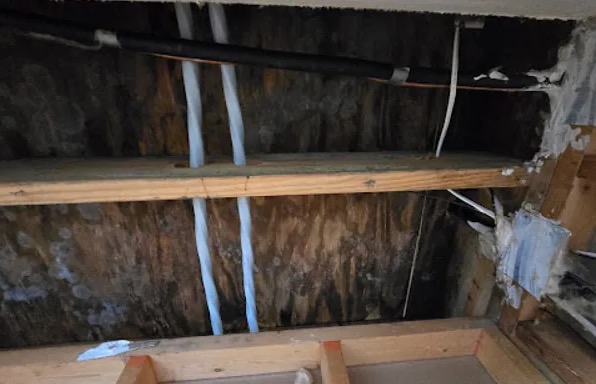
Professional Attic Water Extraction in River Ridge, LA
Attic Water Extraction in River Ridge usually follows one of three events. A storm damaged the roof, a pipe or water heater failed in the attic, or an AC drain pan overflowed.
Homes in River Ridge and nearby Harahan, Waggaman and Kenner have attics that hold insulation, ductwork and often an AC unit or water heater. The pros remove water from roof leaks and equipment failures and dry the framing.
Key Attic Water Extraction Steps in River Ridge, LA
Attic Moisture Inspection
The inspection maps where the water went from the leak point, which decides what is extracted, removed or dried in place.
Wet Attic Insulation Removal
Insulation is removed only where it got wet. Dry insulation nearby is left in place and protected during the work.
Attic Mold Prevention
Once wood is dry, roof decking and rafters that stayed wet can be treated with an antimicrobial to slow microbial growth.
Attic Leak Water Cleanup
Water from a roof or plumbing leak usually runs along rafters before it drips. Cleanup follows that path and removes water wherever it pooled.
Attic Drying Services
Drying runs until wood framing and ceiling drywall reach normal readings. Equipment is moved as each area dries.
When to Call for Attic Water Extraction in River Ridge
Condensation on Attic Surfaces
Droplets or damp patches on the underside of the roof decking point to a moisture and ventilation problem.
Damp Attic Insulation
Insulation that feels damp, looks matted or has dark patches has been soaking up water.
Musty Odors From Attic
A musty smell from the attic hatch or upstairs rooms often points to wet insulation or wood.
Insect Infestations in Attic
Wet wood draws insects, so new activity in the attic can be a sign of an ongoing leak.
How Attic Water Extraction Works in River Ridge
Step 1: Initial Attic Moisture Inspection
Meters and thermal cameras show where water pooled and how far it spread from the leak.
Step 2: Roof Leak Water Removal
Rainwater is extracted from the attic floor, and a tarp is placed over roof damage if needed.
Step 3: Dehumidification and Air Scrubbing
Dehumidifiers dry the attic air while air scrubbers capture dust from insulation removal.
Step 4: Verification of Dryness
Final readings are compared with dry areas to confirm the attic and ceiling are back to normal.
Why Attics Need Water Extraction in River Ridge
Gutter and Downspout Blockages
Clogged gutters and downspouts let water back up under the roof edge.
Bathroom Exhaust Fan Vent Leaks
Bathroom fans vented into the attic, or with loose ducts, release moisture onto the wood.
Condensation From Poor Ventilation
Warm, moist air from the house condenses on roof decking when the attic lacks ventilation.
Aging or Deteriorated Roofing Materials
Old, curled or cracked shingles and worn underlayment let water through during heavy rain.
Attic Water Extraction Across Property Types in River Ridge
Residential Attic Water Extraction
In townhomes and condos, attic leaks can cross into a neighbor's space. Clear photos and readings help sort out repairs with the association.
Commercial Attic Water Extraction
Property managers get records for each affected unit or suite, which helps with roof repair planning and insurance claims.
Professional Attic Water Extraction or DIY in River Ridge?
A bucket under the drip and a tarp over furniture are good first steps. Call local water damage pros if water is pooling in the attic, the ceiling is stained or sagging, or insulation is soaked.
Understanding Attic Water Extraction Cost in River Ridge
The cost of attic water extraction in River Ridge depends on how much water reached the attic, how much insulation is soaked and how long the framing takes to dry.
Access and Complexity
Low headroom, tight access hatches and narrow joists make the work slower.
Size of the Affected Area
A leak that spread across the whole attic costs more than one confined to a single bay.
Material Removal Needs
Wet insulation and ceiling drywall that must be removed add labor and disposal costs.
Does Insurance Cover Attic Water Extraction?
Photograph the ceiling, attic and any roof damage before cleanup starts, and keep receipts for tarping and emergency extraction for your claim.
Advantages of Hiring Local Pros for Attic Water Extraction in River Ridge
Roof Leak Location
The leak point is marked and photographed so the roofer can fix the right spot.
Advanced Moisture Detection
Moisture meters and thermal cameras find wet insulation and wood that look dry.
Wet Insulation Handling
Wet insulation is bagged and removed without spreading debris into the living space.
Urgent Attic Water Extraction Available in River Ridge
If water is dripping from a light fixture, shut off that circuit at the panel and stay clear. Then call (504) 608-0810 for help in River Ridge.
Call Now (504) 608-0810Attic Water Extraction for River Ridge and Surrounding Communities
Need attic water extraction outside River Ridge? Service also covers Harahan, Waggaman and Kenner, including emergency help after storms.
FAQ on Attic Water Extraction in River Ridge
Is microbial growth common after an attic leak?
It is more likely when wood and insulation stay wet for days. Fast extraction and drying lower that risk.
What should I do while waiting for water damage help?
Catch drips with a bucket, move belongings, keep away from sagging ceilings and turn off power to wet fixtures.
How quickly should I deal with water in my attic?
Right away. Water sitting on ceiling drywall can make it sag or fall within a day, and wet wood starts to break down.
How do I know if I need emergency water extraction in the attic?
If water is dripping, the ceiling is bulging or stained, or you can see pooled water in the attic, call right away.
What is involved in professional attic water extraction?
Catching drips, vacuuming pooled water from decking and drywall tops, removing soaked insulation and drying the framing and ceiling below.