Grand Isle, LA · Jefferson Parish
Basement Water Damage Restoration in Grand Isle, LABasement Floor Water Removal & Basement Dehumidification
Basement Water Damage Restoration in Grand Isle includes emergency basement flood cleanup, basement sewer backup cleanup and basement wall drying.
Answered 24/7
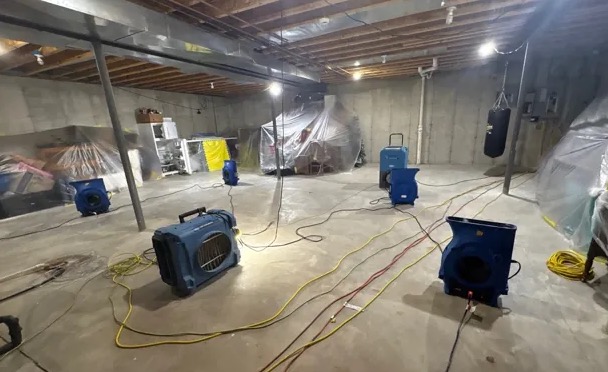
Professional Basement Water Damage Restoration in Grand Isle, LA
Few homes in Grand Isle have full basements, but the ones that do, along with below-grade rooms and sunken lower levels, can still flood from a burst pipe, a sewer backup or a heavy summer storm.
Few homes in Grand Isle are built with basements, so these steps are usually applied to the lowest rooms of a house, a garage or a crawl space instead.
Homeowners in Grand Isle can call (504) 608-0810 day or night when water is rising in the basement. Service also covers Golden Meadow and Galliano, with the same pumping and drying steps.
The Basement Water Damage Restoration Process in Grand Isle
Basement Floor Water Removal
Wet carpet pad is removed from basement floors, since it holds water against the concrete and dries poorly.
Basement Dehumidification
A basement with no moisture problem before the flood may still need a dehumidifier afterward while the concrete dries.
Basement Wall Drying
Wet drywall is cut back above the water line when it is soaked, and the wall cavity and insulation behind it are dried or replaced.
Basement Drying Services
Drying a basement takes longer than drying an upper floor because the air is cool and the concrete holds moisture.
Basement Water Extraction
Extraction starts at the lowest point, often near the floor drain or sump, and works outward until no pooled water remains.
When to Consider Basement Water Damage Restoration for Your Grand Isle Home
Efflorescence on Concrete Walls
White, chalky deposits on concrete walls mean water is moving through the concrete and leaving minerals behind.
Warped or Buckling Basement Floors
Laminate, wood or vinyl flooring that buckles or lifts in the basement has water underneath.
Mold on Surfaces
Dark spots on drywall, framing or stored boxes mean the area has stayed wet for days.
High Humidity Levels Below-Grade
A basement that stays damp and clammy even on dry days has a moisture source that needs attention.
How Basement Water Damage Restoration Works in Grand Isle
Step 1: Source Control and Extraction
The pipe is shut off, the sump restarted or the backup stopped, then the water is pumped out.
Step 2: Structural Drying Setup
Lower drywall is removed where soaked, and equipment is placed to dry wall cavities and the slab.
Step 3: Contaminant Removal
Materials touched by sewage or dirty water are removed and hard surfaces are cleaned and disinfected.
Step 4: Monitoring and Completion
Daily readings track drying until every material is normal, then equipment is removed.
Why Basement Water Damage Occurs in Grand Isle
Failed or Clogged Drain Tile
Clogged or collapsed drain tile around the foundation lets water build up against the walls.
Water Heater or Appliance Leaks
Water heaters, washers and utility sinks in the basement can leak or fail without warning.
Clogged Floor Drains
A floor drain blocked by debris cannot carry off water from a leak or overflow, so it spreads across the basement floor.
Faulty Basement Waterproofing
Old or failed waterproofing on foundation walls lets water through during wet weather.
Basement Water Damage Restoration for All Properties in Grand Isle
Residential Basement Water Damage Restoration
A sewer backup in a home basement needs contaminated carpet, pad and drywall removed and every hard surface disinfected before drying.
Commercial Basement Water Damage Restoration
In restaurants and stores with basements, sewage backups need fast containment so contamination does not reach food or customer areas.
Basement Water Damage Restoration vs. DIY: When to Call the Pros
Keeping gutters and downspouts clear and checking water heater and washer hoses are good DIY steps before storm season. Once water is on the floor, call (504) 608-0810.
Cost Considerations for Basement Water Damage Restoration in Grand Isle
Waterproofing or sump pump replacement is a separate cost from water removal and drying. In Grand Isle, both may be needed to prevent a repeat.
Material Saturation
Finished basements with carpet, drywall and insulation take more removal work than bare concrete.
Secondary Damage
Damage to furnaces, water heaters and belongings adds repair and replacement costs.
Water Category
Clean water costs less to handle than sewage, which needs protective gear, removal and disinfection.
Does Insurance Cover Basement Water Damage Restoration?
Flood damage from rising outside water usually needs flood insurance. Water from inside the home, like a broken pipe, is more often covered.
Benefits of Local Pros for Basement Water Damage Restoration in Grand Isle
Industry Drying Standards
Drying follows industry water damage standards, with readings taken at every visit.
Industrial-Grade Equipment
Pumps, extractors and large dehumidifiers remove water much faster than household wet vacs and fans.
Mold Prevention Focus
Fast drying is the main way to limit microbial growth in a below-grade space.
24/7 Emergency Basement Water Damage Restoration in Grand Isle
If water is near outlets or the electrical panel, do not walk into it. Call (504) 608-0810 for help in Grand Isle and wait for the power to be made safe.
Call Now (504) 608-0810Local Basement Water Damage Restoration Coverage: Grand Isle and Beyond
The places below are also served, and each one has its own page.
- Basement Water Damage Restoration in Golden Meadow
- Basement Water Damage Restoration in Galliano
- Basement Water Damage Restoration in Port Sulphur
- Basement Water Damage Restoration in Empire
- Basement Water Damage Restoration in Cut Off
- Basement Water Damage Restoration in Buras
- Basement Water Damage Restoration in Larose
- Basement Water Damage Restoration in Braithwaite
- Emergency Damage Restoration in 70358
- Storm Damage Restoration in 70358
- Water Damage Restoration in 70358
- Water Extraction Service in 70358
- Water Leak Detection in 70358
- Water Removal Service in 70358
Basement Water Damage Restoration Common Questions Answered
What is the priority during emergency basement flood cleanup?
Safety first, especially electrical hazards, then stopping the source and pumping out the water as quickly as possible.
Does basement mold prevention need special steps after flooding?
Fast drying is the main step. Wood and concrete that stayed wet can be treated with an antimicrobial once dry.
What are signs of hidden moisture after below-grade water extraction?
Musty smells, tide lines on walls, damp carpet edges and moisture readings that stay high in walls or the slab.
What is involved in basement water damage restoration?
Pumping out water, removing soaked materials, cleaning contaminated areas, drying walls, framing and concrete, and dehumidifying until readings are normal.
What does below-grade moisture removal include beyond pumping?
Extracting carpet and pad, opening wet walls, running air movers and dehumidifiers, and checking readings until dry.