River Ridge, LA · Jefferson Parish
Ceiling Water Extraction in River Ridge, LARoof Leak Water Removal & Ceiling Cavity Drying Services
Ceiling Water Extraction in River Ridge runs from ceiling moisture inspection and emergency ceiling water extraction to ceiling water damage repair.
Answered 24/7
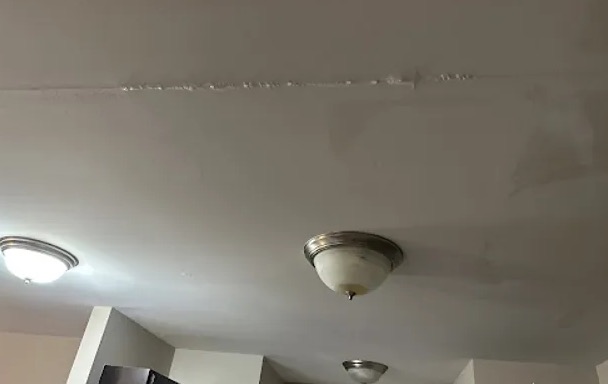
Ceiling Water Extraction Solutions in River Ridge, Jefferson Parish
Storm leaks in River Ridge put water into ceilings fast, often at night. Rain finds gaps in roofing and flashing, runs along rafters and pools on the ceiling drywall below.
A roof leak in River Ridge can load a ceiling with water in one storm. Local moisture removal specialists serve River Ridge and nearby Harahan, Waggaman and Kenner, with help available around the clock.
Detailed Ceiling Water Extraction Services for River Ridge
Roof Leak Water Removal
Rain coming through the roof is caught and drained, and a tarp can be placed over the damaged area to stop more water getting in.
Ceiling Cavity Drying Services
Air movers and dehumidifiers dry the joists, insulation and back of the drywall through the opening or small access holes.
Ceiling Leak Water Cleanup
Fallen drywall and soaked insulation are bagged and removed, and the floor below is extracted and dried.
Ceiling Moisture Inspection
Readings are recorded at the start and during drying, giving you and your insurer a clear record.
Ceiling Mold Prevention Services
Drying the cavity quickly is the main way to limit microbial growth above a ceiling. Joists that stayed wet can be treated once dry.
When to Call for Ceiling Water Extraction in River Ridge
Water Dripping From Ceiling
Water dripping from the ceiling means the drywall above is already holding more water than it can absorb.
Peeling Paint or Bubbling Texture
Paint that bubbles or texture that loosens on the ceiling usually has water behind it.
Stains Around Light Fixtures
Stains around light fixtures and vents mean water is following wiring or ductwork down.
Wet Spots or Dampness to Touch
Ceiling spots that feel damp or cool to the touch are holding water inside or above them.
How Ceiling Water Extraction Works in River Ridge
Step 1: Source Stop and Initial Inspection
The leak is shut off or tarped, and meters map how far the water spread.
Step 2: Water Removal
Water is drained from the ceiling, and wet insulation above it is pulled out and bagged.
Step 3: Targeted Wet Ceiling Drying
Airflow is aimed at the wettest joists and drywall edges until they reach normal readings.
Step 4: Post-Drying Assessment for Repair
The dry ceiling is checked, and the drywall and texture repair is planned.
Common Causes of Ceiling Water Damage in River Ridge
Overflowing or Leaking Appliances
Washers, dishwashers and water heaters on upper floors can leak into the ceiling below.
Roof Leaks From Storm Damage
Storm damage to shingles and flashing lets rain into the attic and onto the ceiling below.
Clogged or Damaged Gutters
Clogged gutters overflow at the roof edge and push water into soffits and ceilings.
Sprinkler System Malfunction
Fire sprinkler pipes and heads in the ceiling can leak or break and soak the drywall.
Residential and Commercial Ceiling Water Extraction in River Ridge
Residential Ceiling Water Extraction
Homeowners with textured or popcorn ceilings often want the repair to blend in. Texture is reapplied after drying, and the pros explain how close the match will be.
Commercial Ceiling Water Extraction
Apartment buildings may have ceiling leaks that pass through several units. Each ceiling is drained, dried and documented separately.
When DIY Fails for Ceiling Water Extraction in River Ridge
Catching drips with a bucket, moving furniture and taking photos are good first steps. Call local moisture removal specialists if the ceiling is bulging, soft or dripping steadily.
Estimating Ceiling Water Extraction Costs in River Ridge
The pros map the wet area before pricing ceiling water extraction in River Ridge, then explain what will be drained, removed and dried.
Required Drying Time
Ceiling cavities that need several days of drying add equipment time to the total.
Ceiling Height and Accessibility
High, vaulted or stairwell ceilings need ladders or lifts, which adds time and equipment.
Moisture Inspection Complexity
Leaks that travel far before dripping take more inspection to trace and map.
Does Insurance Cover Ceiling Water Extraction?
Insurers often ask where the water came from and how long it leaked. Notes on the source and the wet pattern help answer that.
Advantages of Hiring Local Pros in River Ridge for Ceiling Water Extraction
Damage Documentation
Photos, readings and drying logs are kept to support your insurance claim.
Careful Drywall Removal
Only drywall that is soft, sagging or soaked is cut out, which keeps repairs smaller.
24/7 Emergency Response
Help is available day or night when a ceiling is dripping or bulging.
24/7 Emergency Ceiling Water Extraction for River Ridge
A ceiling full of water can fall without warning. Call (504) 608-0810 for ceiling water extraction in River Ridge at any hour, including storms and holidays.
Call Now (504) 608-0810Ceiling Water Extraction Near River Ridge: Areas Served
Help with ceiling water extraction is also available in communities near River Ridge, including Harahan, Waggaman and Kenner, for roof leaks, upstairs overflows and burst pipes.
Frequently Asked Questions About Ceiling Water Extraction
How long does ceiling water damage cleanup take?
Draining takes hours. Cavity drying often takes a few days, followed by drywall repair and painting.
What are ceiling cavity drying services?
Drying the joists, insulation and back of the drywall above the ceiling with air movers and dehumidifiers.
What happens during ceiling leak water cleanup?
Water, wet insulation and fallen drywall are removed from above and below, and the room is cleaned and dried.
What is the difference between extraction and drying for a ceiling?
Extraction removes the liquid water. Drying removes the moisture left in the joists, insulation and drywall.
Can ceiling water extraction prevent microbial growth?
It lowers the risk. Getting water out and drying the cavity quickly is the main way to keep mold from starting.