Empire, LA · Plaquemines Parish
Desiccant Dehumidification in Empire, LAWater Damage Dehumidification & Crawl Space Drying
Property owners in Empire get Desiccant Dehumidification for water damage dehumidification, crawl space drying and flood drying services.
Answered 24/7
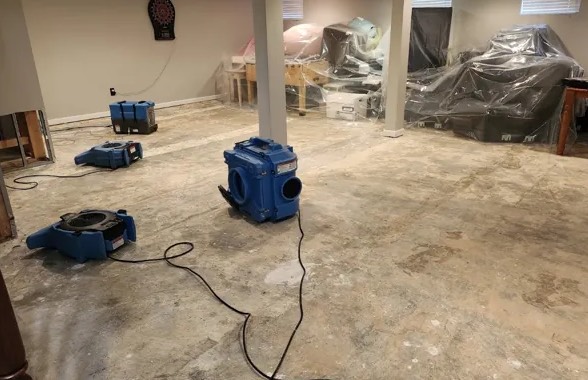
Expert Desiccant Dehumidification for Empire Properties
After water damage in Empire, dry air pulls moisture out of wet materials. The drier the air, the faster walls, floors and framing give up their water.
In Empire, desiccant drying is often used in crawl spaces and large buildings after floods. Local water damage restoration pros serve Empire, Buras, Boothville and Port Sulphur, choosing equipment based on readings.
Comprehensive Desiccant Dehumidification for Empire
Water Damage Dehumidification
Desiccant or refrigerant dehumidifiers are chosen based on the space, the temperature and how dry the air needs to get.
Crawl Space Drying
Water is removed from the crawl space first, then desiccant drying brings humidity down so the framing can dry.
Flood Drying Services
Flood drying pairs desiccant units with air movers aimed at wet materials, with readings taken every day until the structure is dry.
Construction Drying Services
Readings on slabs and framing show when materials are dry enough for the next stage of work.
Mold Prevention Drying
Drying an area quickly after affected materials are removed limits regrowth. Desiccant units help reach low humidity in closed work areas.
When to Consider Desiccant Dehumidification in Empire
Recent Water Damage Event
Any recent leak or flood that soaked drywall, flooring or framing needs drying beyond a household unit.
High Humidity Readings on Meter
A hygrometer that keeps reading high humidity days after a leak shows the space is not drying.
Musty Smell in Stored Items
Boxes and fabrics that smell musty show the space has stayed damp too long.
Visible Condensation on Windows
Windows that fog or drip inside show the air holds too much moisture for materials to dry.
How Desiccant Dehumidification Works in Empire
Step 1: First Call and Setup
Help is available any hour, and drying equipment is set up as soon as standing water is removed.
Step 2: Dry Air Environment
The space is closed off so dehumidifiers can bring humidity down quickly.
Step 3: Continuous Moisture Removal
Equipment runs around the clock, pulling moisture from walls, floors and framing.
Step 4: Restoration Verification
Readings are compared to unaffected dry areas before any equipment is removed from the site.
What Leads to Humidity Damage Needing Desiccant Dehumidification in Empire
Fire Suppression System Activation
Fire sprinklers and firefighting water soak large areas of a building at once.
Foundation Cracks and Seepage
Foundation cracks let groundwater seep into lower levels, keeping walls and floors damp.
Plumbing Leaks or Pipe Bursts
Burst pipes and leaking supply lines soak walls and floors that then need drying.
New Construction Moisture Trapped
New concrete, drywall mud and framing on job sites hold moisture until they are dried.
Residential and Commercial Desiccant Dehumidification in Empire
Residential Desiccant Dehumidification
In homes, desiccant drying is most often used in crawl spaces and cool lower levels after leaks or floods. Standard units are used in warm rooms where they work well.
Commercial Desiccant Dehumidification
In commercial buildings, high-capacity desiccant units can dry large floors and high-ceiling spaces after sprinkler leaks or floods, with drying planned around business hours.
The Limits of DIY Desiccant Dehumidification in Empire
Opening windows only helps on dry, breezy days. Commercial dehumidifiers keep drying no matter what the weather outside is doing, which makes them more reliable.
Understanding Desiccant Dehumidification Expenses in Empire
In Empire, starting drying right after a leak or flood usually shortens the job and lowers the total equipment cost.
Access and Complexity
Crawl spaces, tight areas and large buildings take more effort to set up and monitor.
Duration of Equipment Use
Drying usually takes several days, and each day of equipment use adds to the total.
Number of Dehumidifiers
The number and size of dehumidifiers needed for the space is a major part of the cost.
Does Insurance Cover Desiccant Dehumidification?
Photograph wet areas before drying begins and keep receipts for emergency extraction, drying equipment and any hotel stay during the work.
Why Choose Local Pros for Desiccant Dehumidification in Empire
Post-Flood Drying
Floodwater cleanup is followed by drying that continues until readings are normal.
Large Projects
Large buildings and job sites get drying plans that keep work and business moving.
Damage Assessment
The full affected area is checked, including rooms next to and below the source.
Emergency Desiccant Dehumidification Response for Empire
Night, weekend or holiday, local water damage restoration pros set up drying equipment in Empire. Call (504) 608-0810 any time to get drying started.
Call Now (504) 608-0810Desiccant Dehumidification Coverage for Empire and Beyond
The places below are also served, and each one has its own page.
- Desiccant Dehumidification in Buras
- Desiccant Dehumidification in Boothville
- Desiccant Dehumidification in Port Sulphur
- Desiccant Dehumidification in Venice
- Desiccant Dehumidification in Grand Isle
- Desiccant Dehumidification in Braithwaite
- Desiccant Dehumidification in St. Bernard
- Desiccant Dehumidification in Belle Chasse
- Emergency Damage Restoration in 70050
- Storm Damage Restoration in 70050
- Water Damage Restoration in 70050
- Water Extraction Service in 70050
- Water Leak Detection in 70050
- Water Removal Service in 70050
Desiccant Dehumidification Information: Your Questions
What are the benefits of construction drying services?
Drying slabs and drywall on schedule so flooring and finishes are not installed over damp materials.
What happens after desiccant dehumidification is complete?
Final readings are recorded, equipment is removed and the space is ready for repairs or finishes.
What equipment is used for commercial building drying?
High-capacity desiccant or refrigerant dehumidifiers, air movers, moisture meters and sometimes ducting to direct dry air.
When is desiccant dehumidification a better choice than refrigerant units?
In cool spaces, very large areas or when very low humidity is needed to dry dense materials.
How is emergency dehumidification different from standard service?
It starts right after a leak or flood, any time of day, so materials do not keep soaking up moisture.