Loranger, LA · Tangipahoa Parish
Emergency Water Extraction in Loranger, LAEmergency Flood Water Extraction & Standing Water Removal
Emergency Water Extraction in Loranger runs from standing water removal and emergency flood water extraction to wet drywall water removal.
Answered 24/7
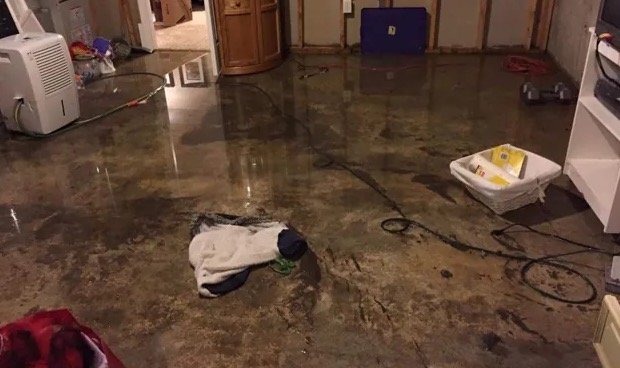
Emergency Water Extraction Response in Loranger, Louisiana
In Loranger, emergency extraction is the first step, not the whole job. After the standing water is gone, walls, subfloors and framing still hold moisture that needs drying.
Homes and businesses in Loranger and nearby Independence, Tickfaw and Natalbany face sudden water from burst pipes, overflows, storms and sewer backups. The pros get the water out and start drying.
Key Emergency Water Extraction Procedures in Loranger
Emergency Flood Water Extraction
Floodwater from outside is treated as contaminated, so extraction is followed by removal of soaked porous materials and cleaning.
Standing Water Removal
Removing standing water quickly is what keeps a single wet room from turning into several.
Carpet Water Extraction Services
Weighted extraction tools press water out of carpet and pad in slow passes, removing far more water than a surface wand.
Wet Drywall Water Removal
Wet insulation behind drywall is removed along with the soaked section, so the cavity can dry fully.
Emergency Water Damage Cleanup
Help is available any hour, because cleanup that waits until morning usually means more materials to remove.
Warning Signs You Need Emergency Water Extraction
Water Stains on Walls
Fresh stains on walls or ceilings show water is spreading from a leak nearby or above.
Dripping Sounds or Leaks
Dripping or running water sounds when nothing is on mean a leak is still active somewhere.
Soggy or Wet Carpeting
Carpet that squishes or feels cold and wet underfoot is holding water in the pad below.
Musty or Damp Odors
A damp or musty smell after a leak means water is still trapped in carpet, walls or subfloor.
How Emergency Water Extraction Works in Loranger
Step 1: On-Scene Water Damage Analysis
The pros identify whether the water is clean, gray or sewage, which decides how it is removed.
Step 2: High-Volume Flood Water Extraction
Large pumps and extractors move floodwater out quickly, and contaminated materials are removed.
Step 3: Focused Wet Carpet Drying
Carpet is extracted again or lifted, and the pad and subfloor are dried or replaced.
Step 4: Post-Extraction Documentation
Readings are logged daily until every area is dry, then a final record is provided.
Common Causes of Water Damage in Loranger
Severe Weather and Flooding
Heavy storms and flooding push water into homes and businesses through doors, walls and roofs.
HVAC System Condensation Issues
Clogged AC condensate lines overflow into closets, attics and the ceilings of rooms below.
Human Error or Accidental Spills
Tubs and sinks left running, and other everyday accidents, can flood rooms and the floor below.
Sewage System Backup
A blocked sewer line pushes wastewater up through floor drains, tubs and toilets.
Whole-Property Emergency Water Extraction in Loranger, LA
Residential Emergency Water Extraction
In two-story homes, water from an upstairs leak can reach the ceiling and rooms below. Both levels are extracted and dried.
Commercial Emergency Water Extraction
Commercial buildings with sprinkler discharges may have water on several floors. Each floor is extracted in order, starting with the wettest.
Why DIY Water Extraction Often Fails in Loranger
A shop vac picks up shallow water on hard floors, but it cannot pull water from carpet pad, wall cavities or subfloors. Those need professional extraction equipment.
What Affects Emergency Water Extraction Pricing in Loranger
Plumbing and roof repairs are separate from extraction and drying. In Loranger, they follow once the water is out and the structure is dry.
Necessary Demolition Work
Carpet pad, drywall and flooring that must be removed add labor and disposal costs.
Time of Service Call
Night, weekend and holiday calls can cost more than a scheduled weekday visit.
Depth of Standing Water
Deep standing water needs pumping before extraction, which adds time and equipment.
Does Insurance Cover Emergency Water Extraction?
Water from outside flooding usually needs a separate flood policy. Water from a broken pipe or appliance inside is more often covered by a standard policy.
Advantages of Hiring Local Pros for Emergency Water Extraction in Loranger
Clear Communication
You get plain updates on what was extracted, what was removed and how drying is going.
Structural Drying
Walls, subfloors and framing are dried until readings are normal, not just the visible surfaces.
Documentation for Insurance
Photos, readings and drying logs are kept from the first visit to support your insurance claim.
Emergency Water Extraction Response for Loranger
The faster water is extracted, the more of your property can be dried instead of replaced. Call (504) 608-0810 for emergency water extraction in Loranger.
Call Now (504) 608-0810Emergency Water Extraction Service Area Around Loranger, LA
Help with emergency water extraction is also available in communities near Loranger, including Independence, Tickfaw and Natalbany, for floods, burst pipes and sewage backups.
- Emergency Water Extraction in Independence
- Emergency Water Extraction in Tickfaw
- Emergency Water Extraction in Natalbany
- Emergency Water Extraction in Amite City
- Emergency Water Extraction in Robert
- Emergency Water Extraction in Hammond
- Emergency Water Extraction in Folsom
- Emergency Water Extraction in Ponchatoula
- Emergency Damage Restoration in 70446
- Storm Damage Restoration in 70446
- Water Damage Restoration in 70446
- Water Extraction Service in 70446
- Water Leak Detection in 70446
- Water Removal Service in 70446
Common Emergency Water Extraction Questions Answered
Why is professional standing water removal important?
Pumps and extractors remove water much faster than household tools, which limits how far it spreads.
What tools are used for emergency water extraction?
Submersible pumps, truck-mounted and portable extractors, weighted carpet tools, air movers, dehumidifiers and moisture meters.
What is the process for flood water extraction?
Make power safe, pump out deep water, extract floors and carpet, remove contaminated materials and dry the structure.
What follows the initial emergency water extraction?
Structural drying with air movers and dehumidifiers, daily readings and repairs once the building is dry.
Can water extraction prevent mold after a flood?
Fast extraction and drying are the main ways to keep mold from starting after a flood.