New Orleans, LA · Orleans Parish
Mold Removal in New Orleans, LACrawl Space Mold Abatement & Post-Flood Mold Remediation
After a leak or flood, mold removal in New Orleans cover post-flood mold remediation, black mold remediation and mold odor elimination.
Answered 24/7
Professional Mold Removal in New Orleans, LA
Mold remediation is different from wiping mold off a surface. Porous materials with mold, such as drywall and carpet pad, usually have to be removed in New Orleans homes.
Mold problems in New Orleans homes range from a moldy bathroom ceiling to mold behind walls after a flood. Local mold removal experts handle both, along with properties in Gretna, Marrero and Terrytown.
Mold Removal Offered in New Orleans
Crawl Space Mold Abatement
A musty smell inside the house can start in the crawl space. Affected joists are cleaned, damaged insulation is removed and moisture problems are noted for repair.
Post-Flood Mold Remediation
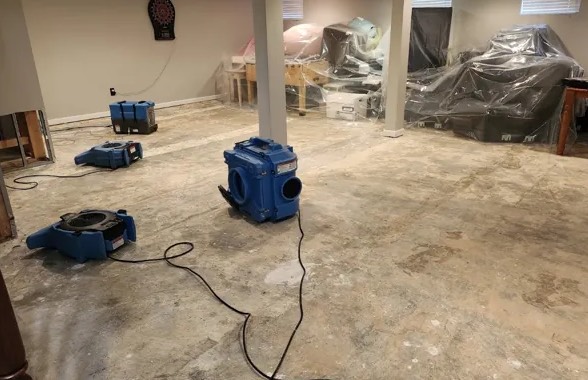
Mold can start within a day or two after flooding if materials stay wet. The pros remove soaked drywall and flooring, clean the framing and dry the structure.
Mold Inspection Services
An inspection looks for visible mold, musty odors and the moisture behind them. Moisture meters and thermal cameras help find wet areas inside walls and under floors.
Black Mold Remediation
Black mold usually means a long-running leak. The pros find the water source, cut out moldy drywall or trim and clean the wood behind it before drying.
Attic Mold Removal
Leaky roofs and bathroom fans that vent into the attic are common causes. The pros remove the mold from framing and sheathing once the moisture source is fixed.
When to Call for Mold Inspection in New Orleans
Musty Smell That Will Not Go Away
A damp, earthy smell often means mold is growing somewhere out of sight, such as inside a wall, under flooring or in ductwork.
Visible Mold on Walls or Ceilings
Black, green or gray spots on drywall, ceilings or trim are visible mold. Larger patches usually mean more is hidden behind the surface.
Warped Floors or Swollen Trim
Wood floors that cup and trim that swells have absorbed moisture. Mold can grow underneath before anything is visible.
Mold Around Air Vents
Dark spots around supply vents or a musty smell when the air turns on can point to mold in ducts or the air handler.
How Mold Removal Works in New Orleans
Step 1: Mold Inspection and Moisture Check
The pros look for visible mold and use moisture meters to find wet areas, including inside walls and under floors.
Step 2: Containment of the Moldy Area
Plastic sheeting and negative air machines keep spores inside the work area while mold is removed.
Step 3: Removal of Damaged Materials
Moldy drywall, insulation and carpet are bagged and removed. Framing behind them is exposed for cleaning.
Step 4: Cleaning and HEPA Vacuuming
Framing and hard surfaces are cleaned and HEPA vacuumed to remove mold and settled spores.
Step 5: Drying and Final Check
The area is dried with dehumidifiers until moisture readings are normal, then checked before rebuilding.
Common Causes of Mold Growth in New Orleans
High Indoor Humidity
When indoor humidity stays high, moisture collects on cool surfaces like windows, closet walls and corners, and mold follows.
AC Condensation Problems
A clogged condensate drain or a cracked drain pan leaks water near the air handler, and mold grows on nearby drywall and ductwork.
Poor Bathroom Ventilation
Without a working exhaust fan, shower steam settles on ceilings and walls. Over time, mold grows on paint, grout and caulk.
Slow Plumbing Leaks
Drips under sinks, behind toilets and inside walls can go unnoticed for months, keeping wood and drywall wet enough for mold to grow.
Residential and Commercial Mold Removal in New Orleans
Residential Mold Removal
After a flood or long leak at home, moldy carpet, pad and lower drywall are removed and the structure is dried before rebuilding.
Commercial Mold Removal
Restaurants, clinics and schools need mold removed carefully around people. Containment and air scrubbers keep work areas separated.
When DIY Mold Cleanup Is Enough
Wear gloves and a mask for any small cleanup, and keep the area ventilated. If anyone in the home has asthma or allergies, leave mold removal to local mold removal experts.
Mold Removal Cost Factors
Small, easy-to-reach mold costs far less to remove than mold spread through walls, an attic or a crawl space. An inspection sets the scope first.
HVAC Involvement
Mold in ducts or the air handler adds cleaning or replacement of duct sections on top of the room work.
Testing and Inspection
Mold testing is optional in many cases, but when it is needed it adds lab fees to the total.
Rebuilding After Removal
Replacing drywall, insulation and flooring after mold removal is often priced separately from the remediation itself.
Does Insurance Cover Mold Removal?
Many policies cover mold only when it comes from a sudden, covered water event such as a burst pipe. Mold from long-term leaks or humidity is usually excluded. Check your policy.
Benefits of Local Mold Removal in New Orleans
Available Any Time
Mold after a leak or flood can be reported at any hour. The experts can be reached day or night at (504) 608-0810.
Drying After Removal
Mold returns if the area stays damp. The pros dry the structure and check readings before rebuilding.
Finding the Moisture Source
The pros look for the leak, condensation or seepage behind the mold, since removing mold without fixing moisture does not last.
24/7 Mold Cleanup After Water Damage in New Orleans
After water damage in New Orleans, drying helps stop mold before it starts. Call (504) 608-0810 any hour to talk through the next steps.
Call Now (504) 608-0810Mold Removal Near New Orleans: Areas Served
Besides New Orleans, the experts handle mold inspection and removal in nearby Gretna, Marrero and Terrytown.
Mold Removal FAQs
How long does mold remediation take?
Small jobs can take a day or two. Larger areas, plus drying time, can take several days to a week or more.
Is mold in the attic a serious problem?
It can damage roof sheathing and framing over time and usually points to a roof leak or poor ventilation that should be fixed.
Will mold come back after remediation?
It can if the moisture source is not fixed. Finding and stopping the leak or humidity problem is part of the job.
Does homeowners insurance cover mold removal?
Sometimes, when mold comes from a sudden covered water event. Mold from long-term leaks or humidity is often excluded. Check your policy.
Can I remove mold myself?
Small patches on hard surfaces can be cleaned with soap and water. Larger areas, mold inside walls or mold after a flood should be handled by pros.