Hammond, LA · Tangipahoa Parish
Rapid Structural Drying in Hammond, LAConcrete Slab Drying & Crawl Space Drying
Rapid Structural Drying in Hammond involves emergency structural drying, wall cavity drying, and flood drying services from restoration pros.
Answered 24/7
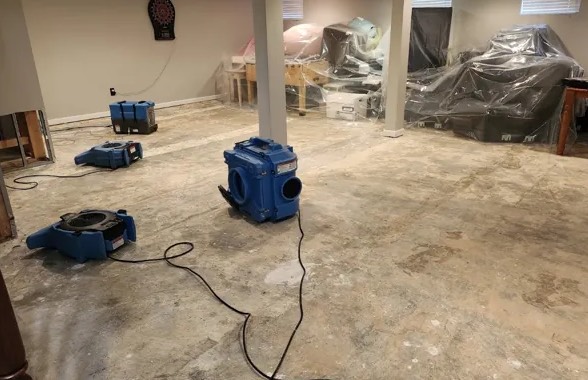
Professional Rapid Structural Drying in Hammond, LA
Crawl spaces and concrete slabs present unique drying challenges due to limited airflow and dense materials. Moisture trapped in these areas can migrate upward, affecting floors and walls.
Properties in Hammond often require rapid structural drying after plumbing failures or weather-related water intrusion. Services extend to nearby places like Natalbany, Ponchatoula and Tickfaw for comprehensive coverage.
Advanced Rapid Structural Drying Processes
Concrete Slab Drying
Water under or within a concrete slab can wick upward for weeks. Moisture meters track the slab's drying progress daily.
Crawl Space Drying
Drying removes pooled water and addresses residual moisture in soil and joists with a system tailored to the space's size and conditions.
Wall Cavity Drying
Moisture locked within a wall demands a focused drying solution. Desiccant dehumidifiers are often used to aggressively pull moisture from the enclosed area.
Subfloor Drying
In many water damage situations, the subfloor is critically affected. Subfloor drying prevents costly replacement by using specialized equipment like LGR dehumidifiers and directed airflow.
Flood Drying Services
Widespread flooding presents a unique drying challenge. Services for this scenario involve creating drying chambers and managing airflows across large spaces.
When to Consider Rapid Structural Drying in Hammond
Squeaking or Soft Floor Areas
Unusual noises or soft spots when walking indicate compromised subflooring from water damage that needs assessment.
Peeling Paint or Wallpaper
Paint or wallpaper that is blistering and peeling is often caused by hidden moisture behind the surface.
Soggy or Spongy Drywall
Drywall that feels soft to the touch has absorbed a lot of water and needs drying right away.
Mold Growth on Baseboards
Mold appearing along floor edges often points to hidden moisture in wall cavities or subfloors needing extraction.
How Rapid Structural Drying Works in Hammond
Step 1: Water Extraction and Containment
The process begins with extracting any standing water, then containing the affected area to prevent moisture migration to dry parts of the building.
Step 2: Professional Drying Equipment Deployment
Powerful desiccant and refrigerant dehumidifiers are deployed alongside air movers to aggressively remove moisture from the air and building materials.
Step 3: Focused Crawl Space and Slab Drying
Hard areas get specific methods, such as ducted air for crawl spaces and floor mats for concrete slabs.
Step 4: Final Moisture Validation and Documentation
Final moisture readings are taken and documented with photos and reports for your insurer, confirming the structure is dry and stable.
Common Causes of Water Damage Requiring Rapid Structural Drying in Hammond
Clogged Gutters and Downspouts
When gutters overflow, water pools against the foundation and can seep into crawl spaces, slabs and lower walls.
Appliance Malfunctions and Leaks
Faulty water heaters, washing machines, or dishwashers can leak slowly, causing hidden damage in walls and floors over time.
Roof Leaks From Storm Damage
Wind-driven rain or damaged shingles allow water to infiltrate attics and wall cavities, leading to widespread structural moisture.
Poor Ventilation in Enclosed Spaces
Inadequate airflow in crawl spaces or wall cavities traps moisture, promoting rot and mold that experts must address.
Both Home and Business Rapid Structural Drying
Residential Rapid Structural Drying
Homeowners face risks from hidden moisture in attics and crawl spaces. Emergency structural drying services use air scrubbers and focused drying to safeguard indoor air quality and the home's structural integrity from slow leaks.
Commercial Rapid Structural Drying
Warehouses and industrial facilities need large-scale drying for wide concrete floors. Professionals employ drying strategies and moisture mapping to prevent corrosion of inventory and structural components.
Rapid Structural Drying vs. DIY: When to Call Water Damage Pros
If safe, you can turn off the water source at the main valve to stop the flow. Move furniture and belongings away from the wet area onto dry surfaces.
Understanding Rapid Structural Drying Investment
Pricing for emergency structural drying in Hammond varies based on the category of water involved and the required drying time. Dehumidification and moisture mapping add to the total.
Water Contamination Category
Clean water from a broken pipe is simpler to address than contaminated flood water, which requires more extensive safety and drying protocols.
Required Drying Equipment
The number and type of industrial air movers, dehumidifiers, and moisture meters deployed for structural moisture removal influence operational costs.
Affected Structural Materials
Drying dense materials like concrete slabs or enclosed wall cavities demands specialized techniques and longer durations than drying open areas.
Does Insurance Cover Rapid Structural Drying?
Commercial structural drying may be covered under a business property policy if the water damage is from a covered event. The business owner should initiate the claim and provide all documentation to their insurer.
Benefits of Professional Rapid Structural Drying
Advanced Moisture Detection
Tools like thermal imagers and moisture meters are used for accurate moisture mapping to find hidden water.
Thorough Process Verification
Drying is monitored until moisture levels in materials meet standard dry criteria before equipment is removed.
Prevention of Mold Growth
Rapid drying helps control humidity levels, creating an environment less conducive to mold development after water intrusion.
Round-the-Clock Rapid Structural Drying Availability
When water gets into wall cavities or subfloors, drying should start soon. Call (504) 608-0810 24/7 for structural drying in Hammond.
Call Now (504) 608-0810Rapid Structural Drying for Hammond, Natalbany, Ponchatoula and Tickfaw
The pros dry homes and businesses in Hammond after water damage, and also serve nearby locations including Natalbany, Ponchatoula and Tickfaw.
- Rapid Structural Drying in Natalbany
- Rapid Structural Drying in Ponchatoula
- Rapid Structural Drying in Tickfaw
- Rapid Structural Drying in Robert
- Rapid Structural Drying in Albany
- Rapid Structural Drying in Springfield
- Rapid Structural Drying in Loranger
- Rapid Structural Drying in Independence
- Emergency Damage Restoration in 70401
- Storm Damage Restoration in 70401
- Water Damage Restoration in 70401
- Water Extraction Service in 70401
- Water Leak Detection in 70401
- Water Removal Service in 70401
- Emergency Damage Restoration in 70402
- Storm Damage Restoration in 70402
Common Queries About Structural Drying
Can flood drying services prevent mold?
Prompt flood drying services that quickly remove water and lower humidity can significantly reduce the risk of mold growth, which often begins within 24-48 hours in damp conditions.
What is structural dehumidification?
Structural dehumidification uses large-capacity dehumidifiers to lower the overall humidity within a building's structure, aiding the drying of materials and helping to prevent secondary water damage like mold.
What is the goal of commercial structural drying?
The goal of commercial structural drying is to quickly restore a safe, dry environment for business operations by removing moisture from building materials and contents to prevent long-term damage.
When is crawl space drying necessary?
Crawl space drying is necessary when flooding or high humidity saturates this enclosed area, as trapped moisture can damage foundation piers, joists, and lead to mold growth throughout the home.
What is involved in subfloor drying?
Subfloor drying involves using specialized air movers and dehumidifiers to draw moisture out of the wooden or concrete layer beneath flooring, often requiring access panels or strategic placement of equipment.