Port Sulphur, LA · Plaquemines Parish
Rapid Structural Drying in Port Sulphur, LAMoisture Mapping Services & Concrete Slab Drying
Rapid Structural Drying in Port Sulphur includes emergency structural drying, moisture mapping services, and flood drying services.
Answered 24/7
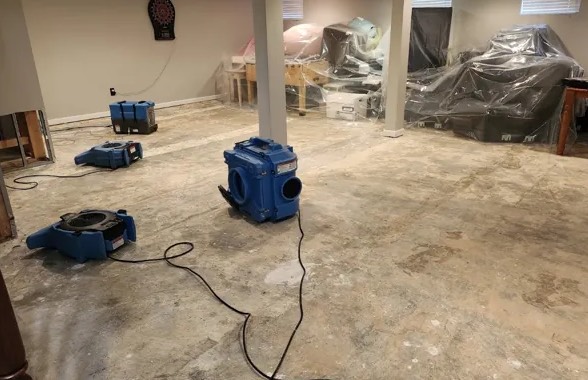
Professional Rapid Structural Drying in Port Sulphur, LA
Concrete slabs, subfloors and wall studs all absorb moisture at different rates. Incomplete drying leaves residual dampness that weakens structures over time.
For commercial structural drying in Port Sulphur, businesses benefit from rapid intervention to limit downtime and damage. Assistance is available throughout the region, such as in Empire, Buras and Boothville, with 24/7 availability.
Rapid Structural Drying Services in Port Sulphur
Moisture Mapping Services
Knowing where moisture hides is essential. Moisture mapping involves systematic checks of walls, floors, and ceilings to document saturation levels.
Concrete Slab Drying
Drying a concrete foundation slab is a slow, methodical task. It requires creating a dry air environment above the slab to encourage moisture evaporation from its surface.
Subfloor Drying
Wet subfloors can warp, swell, and compromise the floor system. Drying removes moisture from plywood or OSB, often requiring lifted flooring sections to allow direct airflow from above and below.
Wall Cavity Drying
Moisture locked within a wall demands a focused drying solution. Desiccant dehumidifiers are often used to aggressively pull moisture from the enclosed area.
Crawl Space Drying
Crawl spaces are vulnerable to groundwater and plumbing leaks. Effective drying here combines pumping, debris removal, and the strategic placement of air movers and dehumidifiers.
When Rapid Structural Drying Is Needed
Mold Growth on Baseboards
Mold appearing along floor edges often points to hidden moisture in wall cavities or subfloors needing extraction.
Musty Odors in Your Home
A musty smell that will not go away usually means moisture is trapped inside walls or under floors.
Damp Spots on Concrete Floors
Persistent dampness on a concrete slab can leave white mineral deposits and loosen flooring adhesive.
Visible Water Stains on Walls
Yellow or brown stains on drywall or ceilings mean water got into the material and may still be inside.
How Rapid Structural Drying Works in Port Sulphur
Step 1: Water Extraction and Containment
The process begins with extracting any standing water, then containing the affected area to prevent moisture migration to dry parts of the building.
Step 2: Professional Drying Equipment Deployment
Powerful desiccant and refrigerant dehumidifiers are deployed alongside air movers to aggressively remove moisture from the air and building materials.
Step 3: Focused Crawl Space and Slab Drying
Hard areas get specific methods, such as ducted air for crawl spaces and floor mats for concrete slabs.
Step 4: Final Moisture Validation and Documentation
Final moisture readings are taken and documented with photos and reports for your insurer, confirming the structure is dry and stable.
Events That Lead to Rapid Structural Drying
Poor Ventilation in Enclosed Spaces
Inadequate airflow in crawl spaces or wall cavities traps moisture, promoting rot and mold that experts must address.
Clogged Gutters and Downspouts
When gutters overflow, water pools against the foundation and can seep into crawl spaces, slabs and lower walls.
Landscaping or Grading Problems
Improper yard slope can direct water toward a foundation, leading to persistent dampness in slabs and crawl spaces.
Roof Leaks From Storm Damage
Wind-driven rain or damaged shingles allow water to infiltrate attics and wall cavities, leading to widespread structural moisture.
Residential and Commercial Rapid Structural Drying in Port Sulphur
Residential Rapid Structural Drying
In homes, rapid structural drying targets moisture trapped in walls, under floors, and in crawl spaces after a leak.
Commercial Rapid Structural Drying
For businesses, commercial structural drying minimizes downtime after water damage. Restoration pros focus on large-scale moisture removal from concrete slabs, interior wall cavities, and office subfloors using high-capacity equipment to get operations back to normal.
Rapid Structural Drying vs. DIY: When to Call Restoration Pros
If safe, you can turn off the water source at the main valve to stop the flow. Move furniture and belongings away from the wet area onto dry surfaces.
Factors Affecting Rapid Structural Drying Pricing
The cost of structural drying in Port Sulphur depends on the damage. Large areas with soaked wall cavities or subfloors take more labor and time.
Water Contamination Category
Clean water from a broken pipe is simpler to address than contaminated flood water, which requires more extensive safety and drying protocols.
Moisture Mapping Scope
Detailed moisture mapping services to track drying progress across a structure require additional time and diagnostic tools from the pros.
Secondary Damage Prevention
Efforts to prevent mold growth during the drying process, such as applying antimicrobials, can be a factor in the service cost.
Does Insurance Cover Rapid Structural Drying?
Coverage for structural moisture removal hinges on the peril named in your homeowners policy. Final approval for any work rests with your insurance company, so direct communication is key.
Reasons to Trust Local Pros with Rapid Structural Drying
24/7 Emergency Response
Help is available day or night to begin the rapid structural drying process and limit further damage.
Prevention of Mold Growth
Rapid drying helps control humidity levels, creating an environment less conducive to mold development after water intrusion.
Industrial-Grade Drying Equipment
High-capacity air movers and dehumidifiers dry crawl spaces and concrete slabs, which hold water longest.
Emergency Structural Drying Response
The first 24 to 48 hours after a leak matter most for drying. If you have standing water or soaked walls, call (504) 608-0810 to start drying.
Call Now (504) 608-0810Local Rapid Structural Drying Coverage Area
Other places served are listed below, each with its own page.
- Rapid Structural Drying in Empire
- Rapid Structural Drying in Buras
- Rapid Structural Drying in Boothville
- Rapid Structural Drying in Braithwaite
- Rapid Structural Drying in Venice
- Rapid Structural Drying in Grand Isle
- Rapid Structural Drying in St. Bernard
- Rapid Structural Drying in Belle Chasse
- Emergency Damage Restoration in 70083
- Storm Damage Restoration in 70083
- Water Damage Restoration in 70083
- Water Extraction Service in 70083
- Water Leak Detection in 70083
- Water Removal Service in 70083
Rapid Structural Drying Information and Answers
When is crawl space drying necessary?
Crawl space drying is necessary when flooding or high humidity saturates this enclosed area, as trapped moisture can damage foundation piers, joists, and lead to mold growth throughout the home.
What is rapid structural drying?
Rapid structural drying is a focused water mitigation process using industrial equipment to quickly remove moisture from building materials like walls, floors, and substructures to prevent further damage.
How do pros know when structural drying is complete?
The pros use moisture meters to compare readings in affected materials to known dry standards in unaffected areas, ensuring moisture levels are acceptable before concluding the job.
What is structural dehumidification?
Structural dehumidification uses large-capacity dehumidifiers to lower the overall humidity within a building's structure, aiding the drying of materials and helping to prevent secondary water damage like mold.
What happens if wall cavity drying is delayed?
Delayed wall cavity drying allows moisture to promote mold growth inside walls, degrade insulation, and potentially weaken drywall or wooden studs, leading to more extensive and invasive repairs.