Reserve, LA · St. John the Baptist Parish
Rapid Structural Drying in Reserve, LACrawl Space Drying & Subfloor Drying
Rapid Structural Drying in Reserve includes emergency structural drying, moisture mapping services, and flood drying services.
Answered 24/7
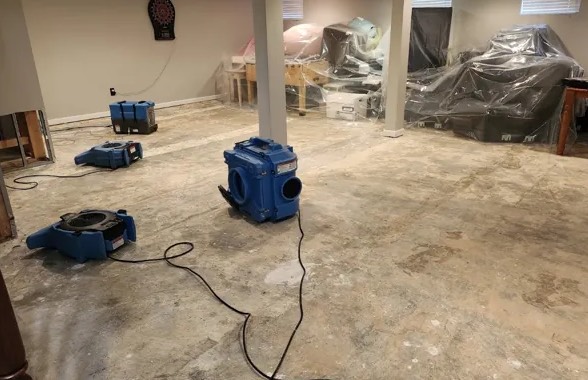
Rapid Structural Drying Solutions in Reserve, Louisiana
Structural drying must address both visible water and hidden moisture within walls and floors. Slow evaporation allows mold colonies to establish and wood to swell.
Properties in Reserve often require rapid structural drying after plumbing failures or weather-related water intrusion. Services extend to nearby places like Edgard, Garyville and LaPlace for comprehensive coverage.
Rapid Structural Drying Services in Reserve
Crawl Space Drying
Damp crawl spaces promote wood rot, mold, and musty odors. Drying addresses standing water and high humidity with extraction, ventilation, and industrial dehumidification to create a dry, stable environment.
Subfloor Drying
Water seeping under flooring requires immediate attention. High-capacity dehumidifiers then capture the water vapor to protect the subfloor's strength.
Flood Drying Services
Major flooding requires comprehensive drying strategies. The process scales up extraction and drying equipment to manage the volume of water involved, focusing on structural integrity first.
Moisture Mapping Services
Effective drying starts with accurate assessment. Moisture mapping services use penetrating and non-penetrating moisture meters to create a detailed picture of affected areas.
Wall Cavity Drying
Moisture locked within a wall demands a focused drying solution. Desiccant dehumidifiers are often used to aggressively pull moisture from the enclosed area.
Indications for Rapid Structural Drying
Musty Odors in Your Home
A musty smell that will not go away usually means moisture is trapped inside walls or under floors.
Condensation Inside Window Frames
Excessive condensation can lead to wall cavity moisture and rot, a common issue addressed by local water damage pros.
Soggy or Spongy Drywall
Drywall that feels soft to the touch has absorbed a lot of water and needs drying right away.
Peeling Paint or Wallpaper
Paint or wallpaper that is blistering and peeling is often caused by hidden moisture behind the surface.
How Rapid Structural Drying Works in Reserve
Step 1: Emergency Assessment and Moisture Mapping
Local water damage pros first perform a detailed inspection using moisture meters and thermal imaging to create a precise moisture map of all affected structural areas.
Step 2: Strategic Flood Drying Setup
Based on the moisture map, air movers and dehumidifiers are placed where they dry the wet materials fastest.
Step 3: Targeted Cavity and Subfloor Drying
Hidden moisture in walls and subfloors is dried with injection systems or drying mats, without tearing out the finishes.
Step 4: Verification and Structural Dehumidification
Pros check moisture levels with meters and adjust equipment until all materials meet dry targets.
What Leads to Needing Rapid Structural Drying
Overflowing Sinks or Bathtubs
A bathroom overflow can send water under flooring and into wall cavities, where it stays hidden.
Clogged Gutters and Downspouts
When gutters overflow, water pools against the foundation and can seep into crawl spaces, slabs and lower walls.
Roof Leaks From Storm Damage
Wind-driven rain or damaged shingles allow water to infiltrate attics and wall cavities, leading to widespread structural moisture.
Burst Pipes or Plumbing Failures
A burst pipe can release hundreds of gallons, soaking drywall, subfloors and framing well beyond the room where it broke.
Rapid Structural Drying for All Property Types in Reserve
Residential Rapid Structural Drying
Crawl space drying is critical in homes to stop wood rot and pest infestation. The pros run drying ducts and desiccant dehumidifiers under the house until it reads dry.
Commercial Rapid Structural Drying
Offices get drying plans that run in phases, floor by floor, so wall cavities and ceiling plenums are dried with the least disruption.
Why DIY Rapid Structural Drying Often Fails
Watch the indoor humidity with a hygrometer if you have one. Running your air conditioner can lower humidity for a while, but it will not dry wet walls or subfloors.
Pricing Considerations for Rapid Structural Drying in Reserve
For commercial drying in Reserve, cost depends on how long the business is interrupted and the size of the drying setup.
Affected Structural Materials
Drying dense materials like concrete slabs or enclosed wall cavities demands specialized techniques and longer durations than drying open areas.
Project Duration
The total time needed for complete structural dehumidification and achieving dry standards affects the overall labor and equipment rental period.
Extent of Water Damage
The square footage and depth of saturation in materials like drywall and subflooring directly impact the drying time and equipment needed.
Does Insurance Cover Rapid Structural Drying?
Commercial structural drying may be covered under a business property policy if the water damage is from a covered event. The business owner should initiate the claim and provide all documentation to their insurer.
Advantages of Hiring Water Damage Pros in Reserve
Prevention of Mold Growth
Rapid drying helps control humidity levels, creating an environment less conducive to mold development after water intrusion.
Focus on Structural Integrity
The process prioritizes drying the building structure itself, including wall cavities and subfloors, to protect its stability.
Water Mitigation Drying Expertise
The approach is part of a complete water mitigation process to stabilize the property quickly.
Round-the-Clock Rapid Structural Drying Availability
The first 24 to 48 hours after a leak matter most for drying. If you have standing water or soaked walls, call (504) 608-0810 to start drying.
Call Now (504) 608-0810Rapid Structural Drying for Reserve, Edgard, Garyville and LaPlace
Structural drying is important for properties throughout St. John the Baptist Parish. From crawl spaces to concrete slabs, the pros help homeowners in Reserve and neighboring areas like Edgard, Garyville and LaPlace.
- Rapid Structural Drying in Edgard
- Rapid Structural Drying in Garyville
- Rapid Structural Drying in LaPlace
- Rapid Structural Drying in Montz
- Rapid Structural Drying in Gramercy
- Rapid Structural Drying in Norco
- Rapid Structural Drying in Lutcher
- Rapid Structural Drying in Hahnville
- Emergency Damage Restoration in 70084
- Storm Damage Restoration in 70084
- Water Damage Restoration in 70084
- Water Extraction Service in 70084
- Water Leak Detection in 70084
- Water Removal Service in 70084
Rapid Structural Drying FAQs
What equipment is used for water mitigation drying?
Water mitigation drying utilizes industrial air movers for evaporation, high-capacity dehumidifiers to remove vapor, and moisture meters to monitor progress throughout the structural drying process.
How long does concrete slab drying typically take?
Concrete slab drying time varies with thickness and saturation but often takes several days, as dense concrete releases moisture slowly, requiring sustained use of industrial dehumidifiers and air circulation.
How does emergency structural drying differ from regular drying?
It is drying that starts as an emergency call, often outside business hours, with equipment set up to protect the structure before materials swell or grow mold.
How does drying differ for residential structural drying?
Residential structural drying often involves navigating living spaces, personal belongings, and varied construction materials, with a focus on restoring habitability and protecting the home's value.
When is crawl space drying necessary?
Crawl space drying is necessary when flooding or high humidity saturates this enclosed area, as trapped moisture can damage foundation piers, joists, and lead to mold growth throughout the home.