ZIP 39466 · Picayune, MS · Pearl River County
Storm Damage Restoration in 39466Emergency Board Up Services & Storm Damage Water Extraction
Storm Damage Restoration in Picayune handles hail damage leak cleanup, wall cavity drying after storms and storm damage water extraction.
Answered 24/7
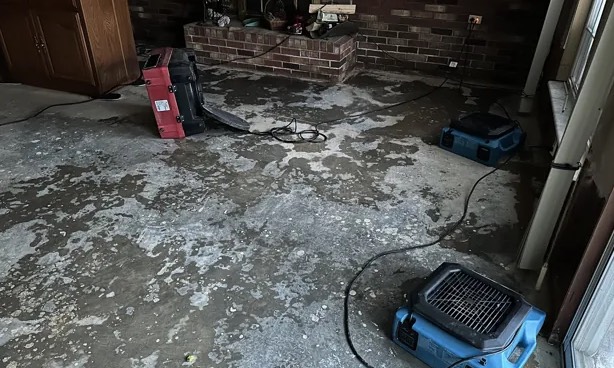
Storm Damage Cleanup and Drying in 39466
Storms let water in through damaged roofs, broken windows and torn siding. Once inside, it soaks carpet, runs into walls and drips through ceilings.
What Storm Damage Restoration Covers in 39466
Emergency Board Up Services
Plywood is fastened over broken glass and damaged doors right after the storm. It stays until the window or door can be replaced.
Storm Damage Water Extraction
Storm water that came in from outside may carry dirt and debris, so floors are cleaned as well as extracted before drying begins.
Wind-Driven Rain Drying
Wind-driven rain soaks the windward side of a house first. Drying focuses on those walls, the window sills and the carpet along them.
Wall Cavity Drying After Storms
When siding is torn or cracked in a storm, rain gets into the wall. The inside is dried while the outside is covered until it can be repaired.
Debris Removal After Storm
Storm debris inside a home is bagged and removed first. Floors and walls under it are then cleaned and checked for moisture.
Storm Damage Warning Signs in 39466
Dented Vents and Skylights
Hail dents on roof vents, skylight frames or flashing can leave gaps where water gets in during the next storm.
Bubbling Paint on Exterior Walls
Paint that bubbles on the inside of an exterior wall after a storm points to water that got behind the siding.
Dripping From Light Fixtures
Water coming through a light or fan means it has pooled above the ceiling. Turn off that circuit and keep people clear.
Missing or Lifted Shingles
Shingles on the lawn or lifted at the edges after a storm mean the roof deck is exposed to the next rain.
How Storm Damage Restoration Works in 39466
Step 1: Secure the Building
Broken windows and doors are boarded up and roof damage is tarped so no more rain gets in.
Step 2: Remove Debris
Mud, glass, branches and wet insulation that came inside are cleared so the floors and walls can be reached.
Step 3: Storm Damage Water Extraction
Water is removed from floors, carpet and under cabinets with pumps and extractors, starting where it is deepest.
Step 4: Dry and Monitor
Air movers and dehumidifiers run while the pros take daily readings, until walls and floors match dry areas.
What Causes Water Damage After Storms in 39466?
Roof Damage From Wind
High winds lift and tear shingles and flashing, exposing the roof deck to rain that soaks into the attic.
Overflowing Gutters
Heavy rain can overflow clogged or undersized gutters, sending water down walls and toward the foundation.
Wind-Driven Rain
Strong winds push rain sideways into window frames, vents and siding joints that keep out normal rain.
Flash Flooding
Sudden heavy rain can send water across yards and under doors faster than drains and gutters can carry it away.
Storm Cleanup for 39466 Homes and Commercial Buildings
Residential Storm Damage Restoration
In homes, storm damage usually means wet ceilings, carpet near windows and water inside exterior walls. The pros cover openings, remove the water and dry each room, with photos for your claim.
Commercial Storm Damage Restoration
For businesses, the pros board up storefronts, extract water from floors and dry the space in sections, so dry areas can be used again first.
Storm Cleanup: DIY or Professional?
Move furniture, electronics and rugs away from wet areas and out from under leaks. Set buckets under drips and lay towels to keep water from spreading.
What Drives Storm Damage Restoration Cost?
Storm water from outside can carry dirt, which means more cleaning and sometimes more material removal than a clean water leak.
Drying Time
Each extra day of air movers, dehumidifiers and moisture checks adds to the cost, especially in wet attics and wall cavities.
Board-Up and Tarping
Covering broken windows, doors and roof openings adds materials and labor before drying can start.
Rooms Affected
Each wet room needs extraction, drying equipment and moisture checks, so the number of rooms sets much of the cost.
Does Insurance Cover Storm Damage Restoration?
Insurance may pay for board-up, tarping, extraction and drying after a covered storm. Your insurer decides what is covered, so check your policy and deductible.
Why Storm Damage Needs Professional Drying in 39466
Dirty Water Handled Safely
Water that came in from outside is treated as dirty, with soaked porous materials removed and surfaces cleaned.
Drying to Measured Targets
Drying ends when readings show walls and floors are dry, not when the surface looks dry.
Openings Covered First
Board-up and tarping keep more rain out, so drying is not undone by the next storm.
24/7 Emergency Storm Damage Restoration in 39466
Storm water inside your Picayune home? Call (504) 608-0810 24/7. The pros can board up openings, tarp the roof and start extraction once it is safe.
Call Now (504) 608-0810Storm Damage Restoration Near 39466: Areas Served
Storm damage restoration is available in Picayune and nearby Pearl River, Bush and Sun, for homes and businesses.
Storm Damage Restoration FAQs
How soon should storm cleanup start?
As soon as it is safe. Wet drywall, carpet and insulation can start to grow mold in 24 to 48 hours, and open roofs and windows let in more rain.
Do the pros repair roofs and windows?
They cover them with tarps and plywood so the inside can dry. Permanent roof, window and siding repairs are done by those trades.
How long does it take to dry a home after storm damage?
Drying often takes several days, depending on how many rooms got wet and how much insulation and drywall came out. Moisture readings decide when it is done.
Should debris be removed before the adjuster visits?
Take photos and video first. Your insurer can tell you what to keep for the adjuster, but wet debris inside the house may need to be removed to prevent more damage.
Does insurance cover storm damage?
Many policies cover damage from wind and hail. Flooding from rising water outside usually needs a separate flood policy. Your insurer decides coverage.