Belle Chasse, LA · Plaquemines Parish
Temperature-Controlled Drying in Belle Chasse, LARapid Structural Drying Services & Thermal Drying For Water Damage
In Belle Chasse, Temperature-Controlled Drying from local drying equipment pros covers climate-controlled drying systems, moisture mapping, and drying equipment deployment to dry a structure effectively.
Answered 24/7
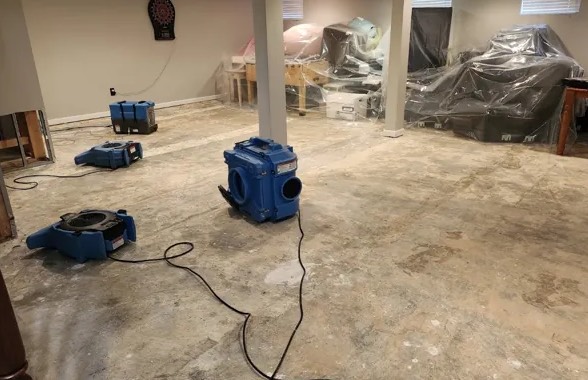
Expert Temperature-Controlled Drying Services in Belle Chasse, Louisiana
In Belle Chasse, moisture left in a structure can cause odors and draw pests. The pros map the damage with infrared cameras and sensors before setting up drying.
In Belle Chasse and nearby Timberlane, Woodmere and Terrytown, fast structural drying stops mold before it starts. Local pros map moisture, then use LGR dehumidifiers and planned air mover placement until readings are normal.
Temperature-Controlled Drying Services in Belle Chasse
Rapid Structural Drying Services
Fast structural drying uses high-velocity air movers, industrial dehumidifiers and sometimes heat, so families in Belle Chasse can return home sooner and mold does not start.
Thermal Drying for Water Damage
The pros apply thermal energy to enhance air mover and dehumidifier effectiveness. This lowers relative humidity, creating a stronger force to pull moisture from materials.
Moisture Mapping
The pros take moisture readings at many points and depths to map every wet area and set drying goals, so nothing is missed.
Humidity Control for Restoration
The pros size dehumidifiers from the moisture map, then pair them with air movers to carry moisture away from materials.
Climate-Controlled Drying Systems
For complex jobs, the pros use industrial equipment to keep humid air from re-wetting materials, so walls dry all the way through.
Signs You Need Professional Temperature-Controlled Drying in Belle Chasse
Visible Mold Growth in Corners
Black, green or white specks in damp corners or on baseboards are usually mold, which means moisture has been there a while.
Soft Drywall or Sagging Ceiling
Drywall feels spongy to the touch or a ceiling sags downward. This softness means the material is saturated and structurally compromised.
Cracking of Plaster or Joints
Plaster or drywall joint tape develops new cracks or fissures. These cracks occur as wet materials swell and then contract during drying.
High Humidity Readings Inside
A hygrometer showing unusually high indoor humidity after water damage means the building is still wet.
How Temperature-Controlled Drying Works in Belle Chasse
Step 1: Initial Moisture Survey and Readings
Pros take baseline moisture readings across the property to plan the drying.
Step 2: Precision Air Mover Placement
Air movers are placed at set angles and distances to target specific wet materials.
Step 3: Deployment of Drying Systems
Dehumidifiers are sized to the moisture load and the size of the space.
Step 4: Ongoing Monitoring and Adjustment
Equipment is moved and adjusted as materials dry, so drying keeps moving.
Common Causes Requiring Structural Drying in Belle Chasse
Sprinkler System Activation
A fire sprinkler discharges, releasing a large volume of water quickly. This event saturates entire areas and requires precise air mover placement and strategy.
Poor Ventilation After a Flood
Closing up a wet room traps humid air, which slows drying and lets moisture soak further into materials.
Foundation Cracks and Seepage
Hydrostatic pressure forces groundwater through cracks in the foundation wall. This seepage creates a constant dampness that challenges standard drying technology.
Overflowing Sinks or Bathtubs
A simple blockage or forgetfulness leads to an overflow event. Water spreads quickly, soaking cabinetry and flooring, and requires thorough drying equipment deployment.
Whole-Property Temperature-Controlled Drying in Belle Chasse
Residential Temperature-Controlled Drying
In condos and apartments, containment barriers and negative air machines keep moisture from moving into neighboring units while drying runs.
Commercial Temperature-Controlled Drying
Restaurants and food service businesses need rapid, sanitary drying to comply with health regulations after a water event. The pros use specialized equipment and antimicrobial treatments during the drying process.
When to Hire Drying Equipment Pros for Temperature-Controlled Drying in Belle Chasse
Ventilating the area by opening windows can help if outdoor humidity is lower than indoors, but this is rarely controlled or sufficient. You can create a list of damaged items for a potential insurance claim.
Cost Considerations for Temperature-Controlled Drying in Belle Chasse
In Belle Chasse, cost depends on how far the moisture spread and how many rooms need drying equipment and monitoring.
Moisture Mapping Complexity
Checking moisture in layered floors or hidden cavities takes more time and equipment.
Extent of Water Damage
The larger the area that needs drying, the more equipment and labor the job takes.
Humidity Control Measures
Controlling humidity in tight spaces often takes specialized drying equipment and frequent adjustments.
Does Insurance Cover Temperature-Controlled Drying?
Coverage is not automatic and depends on your policy. Local pros provide humidity readings and equipment logs for your claim file. Your insurer decides what is covered.
Selecting Local Pros for Temperature-Controlled Drying in Belle Chasse
Comprehensive Drying Logs
Detailed, chronological logs of moisture readings and equipment settings provide a transparent record of the entire temperature-controlled drying process.
Ongoing Moisture Monitoring
Regular checks with moisture meters verify that drying goals are met, helping ensure no residual dampness remains within walls or floors.
24/7 Emergency Response
Quick action is critical to limit secondary damage, and the pros are available around the clock to begin the drying process.
24/7 Emergency Temperature-Controlled Drying in Belle Chasse
Don't let moisture settle in. For emergency deployment of drying equipment and strategic air mover placement to start controlled drying, reach the pros directly at (504) 608-0810, available 24/7.
Call Now (504) 608-0810Temperature-Controlled Drying for Belle Chasse and Surrounding Regions
A detailed approach to moisture control, including humidity regulation and systematic drying equipment deployment, benefits homes throughout Belle Chasse, a census-designated place in Plaquemines Parish. The process also serves properties in the broader Timberlane, Woodmere and Terrytown region.
- Temperature-Controlled Drying in Timberlane
- Temperature-Controlled Drying in Woodmere
- Temperature-Controlled Drying in Terrytown
- Temperature-Controlled Drying in Harvey
- Temperature-Controlled Drying in Braithwaite
- Temperature-Controlled Drying in Gretna
- Temperature-Controlled Drying in Estelle
- Temperature-Controlled Drying in Marrero
- Emergency Damage Restoration in 70037
- Storm Damage Restoration in 70037
- Water Damage Restoration in 70037
- Water Extraction Service in 70037
- Water Leak Detection in 70037
- Water Removal Service in 70037
- Emergency Damage Restoration in 70093
- Storm Damage Restoration in 70093
Common Temperature-Controlled Drying Questions Answered
What happens if hidden moisture is not found during mapping?
Undetected moisture can lead to ongoing deterioration, odor issues, and mold growth inside walls or under floors, underscoring the critical need for thorough initial assessment.
What materials benefit most from controlled drying systems?
Porous structural materials like drywall, wood framing, and concrete, as well as contents like documents and furniture, benefit greatly from controlled, gradual drying to prevent ruin.
What is the difference between air movers and dehumidifiers?
Air movers evaporate moisture from surfaces into the air, and dehumidifiers pull it back out of the air.
How does thermal drying for water damage work?
Thermal drying applies carefully managed heat to increase the evaporation rate of moisture trapped within materials, accelerating the drying process while monitored to prevent damage.
Can temperature-controlled drying prevent mold growth?
By rapidly removing moisture and controlling humidity, the process creates an environment where mold cannot thrive, significantly reducing the potential for mold.