Slidell, LA · St. Tammany Parish
Temperature-Controlled Drying in Slidell, LADrying Equipment Deployment & Rapid Structural Drying Services
Temperature-Controlled Drying in Slidell includes thermal drying for water damage, rapid structural drying services, and humidity control for restoration managed by local moisture control experts.
Answered 24/7
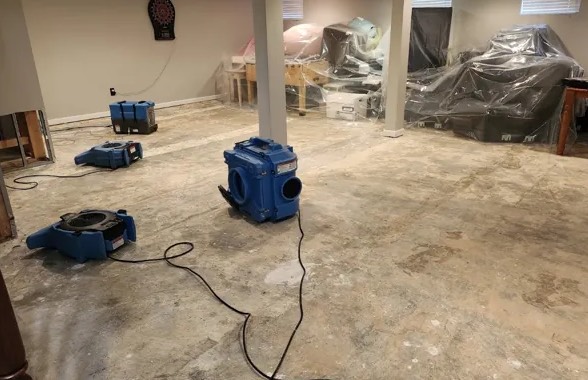
Temperature-Controlled Drying by Local Moisture Control Experts in Slidell
In Slidell, moisture left in a structure can cause odors and draw pests. The pros map the damage with infrared cameras and sensors before setting up drying.
In Slidell and nearby Eden Isle, Pearl River and Lacombe, local pros map moisture in walls and subfloors, then fit thermal drying and humidity control to the materials in the building.
Advanced Temperature-Controlled Drying Techniques in Slidell
Drying Equipment Deployment
Pros set up drying machines with safe power, condensate drainage and placement based on the moisture map.
Rapid Structural Drying Services
Rapid drying protocols focus on core materials providing a building's strength. The pros implement these methods for wood, concrete, and steel.
Climate-Controlled Drying Systems
Dehumidifiers and air movers keep the air in a contained space warm and dry, so moisture moves out of materials faster.
Water Damage Drying Logs
The experts create detailed, timestamped drying logs. These records track initial readings, daily progress, and final verification, providing proof that industry-standard drying was followed.
Moisture Mapping
Moisture mapping uses penetrating and non-penetrating meters to document water migration. This creates a blueprint of wet areas, including hidden moisture behind walls.
Signs You Need Professional Temperature-Controlled Drying in Slidell
Visible Mold Growth in Corners
Black, green or white specks in damp corners or on baseboards are usually mold, which means moisture has been there a while.
Damp Odors Persisting After Water
A musty smell lingers even after visible water is gone, indicating hidden moisture. That odor often signals mold or trapped dampness.
Cold, Damp Feeling in a Room
A room feels noticeably colder and damper than the rest of the house. This sensation is often due to evaporative cooling from wet materials.
Soft Drywall or Sagging Ceiling
Drywall feels spongy to the touch or a ceiling sags downward. This softness means the material is saturated and structurally compromised.
How Temperature-Controlled Drying Works in Slidell
Step 1: Initial Moisture Survey and Readings
Pros take baseline moisture readings across the property to plan the drying.
Step 2: Precision Air Mover Placement
Air movers are placed at set angles and distances to target specific wet materials.
Step 3: Deployment of Drying Systems
Dehumidifiers are sized to the moisture load and the size of the space.
Step 4: Ongoing Monitoring and Adjustment
Equipment is moved and adjusted as materials dry, so drying keeps moving.
Typical Reasons for Drying Needs in Slidell
Poor Ventilation After a Flood
Closing up a wet room traps humid air, which slows drying and lets moisture soak further into materials.
Roof Leak During Heavy Rain
Wind-driven rain through a damaged roof or flashing can run down inside wall cavities, where it needs targeted drying.
Appliance Malfunction or Overflow
A failed washing machine hose, water heater or dishwasher can release many gallons onto the floor.
Storm-Driven Water Intrusion
Heavy rain overflows gutters or gets in around windows and soaks framing and insulation.
Temperature-Controlled Drying for Homes and Businesses in Slidell
Residential Temperature-Controlled Drying
Residential restoration focuses on saving personal items and preventing long-term odors in living areas and bedrooms. The specialists employ thermal drying for water damage to gently yet effectively dry contents and building materials.
Commercial Temperature-Controlled Drying
In commercial settings, uncontrolled humidity can damage sensitive electronics, documents, and finished goods. The pros implement humidity control for restoration to create optimal drying conditions for diverse materials.
Temperature-Controlled Drying: DIY Risks vs. Professional Care in Slidell
A home's HVAC on 'fan only' mode can circulate air, but it is not a substitute for professional drying. A wet-dry vacuum can remove standing water from a very localized incident.
Investing in Professional Temperature-Controlled Drying in Slidell
In Slidell, cost depends on how complex the moisture mapping is and how much equipment the area needs.
Extent of Water Damage
The larger the area that needs drying, the more equipment and labor the job takes.
Moisture Mapping Complexity
Checking moisture in layered floors or hidden cavities takes more time and equipment.
Humidity Control Measures
Controlling humidity in tight spaces often takes specialized drying equipment and frequent adjustments.
Does Insurance Cover Temperature-Controlled Drying?
Insurance may help pay for drying if the cause is a covered loss. Pros provide moisture maps and equipment records for your insurer, which makes the coverage decision.
Advantages of Hiring Local Experts in Slidell for Temperature-Controlled Drying
Ongoing Moisture Monitoring
Regular checks with moisture meters verify that drying goals are met, helping ensure no residual dampness remains within walls or floors.
Humidity Control for Restoration
Keeping the air dry draws moisture out of materials until the space is stable.
Structural Drying
The focus is on quickly extracting moisture from structural components to minimize warping, swelling, or the potential for mold growth.
Emergency Moisture Control in Slidell
Stop water damage from getting worse while materials sit wet. Call (504) 608-0810 24/7 for drying help from local pros in Slidell.
Call Now (504) 608-0810Temperature-Controlled Drying for Slidell and Surrounding Regions
The pros dry structures and control humidity in Slidell and communities such as Eden Isle, Pearl River and Lacombe.
- Temperature-Controlled Drying in Eden Isle
- Temperature-Controlled Drying in Pearl River
- Temperature-Controlled Drying in Lacombe
- Temperature-Controlled Drying in Mandeville
- Temperature-Controlled Drying in Picayune
- Temperature-Controlled Drying in Abita Springs
- Temperature-Controlled Drying in Covington
- Temperature-Controlled Drying in Bush
- Emergency Damage Restoration in 70458
- Storm Damage Restoration in 70458
- Water Damage Restoration in 70458
- Water Extraction Service in 70458
- Water Leak Detection in 70458
- Water Removal Service in 70458
- Emergency Damage Restoration in 70459
- Storm Damage Restoration in 70459
Common Temperature-Controlled Drying Questions Answered
What happens if hidden moisture is not found during mapping?
Undetected moisture can lead to ongoing deterioration, odor issues, and mold growth inside walls or under floors, underscoring the critical need for thorough initial assessment.
Why is moisture mapping important for drying?
Sensors measure moisture across the affected area to show exactly where it is wet, so equipment is aimed at the right spots.
What does drying equipment deployment involve?
Pros assess the loss, calculate how much equipment is needed and place air movers, dehumidifiers and sometimes heaters.
What is temperature-controlled drying?
It is a drying method that controls heat and humidity together to remove moisture from building materials and contents safely and quickly.
When is climate-controlled drying necessary versus regular drying?
Climate-controlled drying is necessary for severe losses, sensitive materials, or when precise environmental control is needed to prevent damage, unlike simple air drying for minor spills.