Reserve, LA · St. John the Baptist Parish
Water Damage Restoration in Reserve, LASewage Cleanup & Water Extraction
Water Damage Restoration in Reserve by local water damage pros includes water removal, water extraction, flood cleanup and structural drying.
Answered 24/7
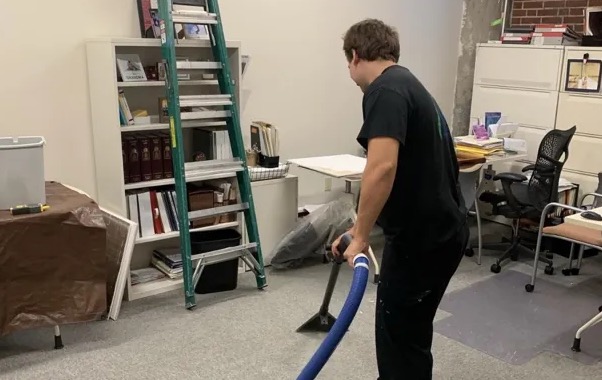
Water Damage Restoration Solutions in Reserve, Louisiana
In Reserve, water damage disrupts daily life and can badly damage a property if it is not handled quickly. Local water damage pros remove the water and repair the damage.
In Reserve and nearby Edgard, Garyville and LaPlace, the pros extract water and dry the structure to industry standards after leaks and floods, before swelling, odor and mold set in.
Core Water Damage Restoration Methods Used in Reserve
Sewage Cleanup
A sewage spill is a biohazard. The pros in Reserve remove the contaminated water, disinfect and clear the odor with the right protective gear.
Water Extraction
Water extraction pulls moisture from saturated materials like carpets and padding. This deep process prevents warping and mold growth.
Flood Cleanup
When water comes in from outside, soaked materials are removed and the area is cleaned and dried in Reserve.
Water Damage Repair
After drying, pros rebuild what water damaged, patching drywall and laying new flooring so rooms in Reserve homes work as before.
Structural Drying
Structural drying removes moisture from materials like drywall and wood. It uses air movers and dehumidifiers to achieve specific dryness goals, preventing warping and mold.
Indicators of Water Damage in Reserve Homes
Water Stains on Ceilings
Yellow or brown ceiling stains indicate an ongoing water leak from above. The pros should inspect to identify the hidden source.
High Indoor Humidity Levels
A consistently sticky, humid feeling indoors can indicate poor drying. Professionals use tools to measure and correct moisture levels.
Musty Odors in Rooms
A persistent musty smell often means hidden moisture and mold growing behind walls or under floors.
Wet Spots on Carpets
Carpet or pad that stays damp means water has soaked deep into the floor, where it can rot the subfloor.
How Water Damage Restoration Works in Reserve
Step 1: Assessment and Moisture Mapping
Pros use sensors and cameras to map the full extent of moisture in materials.
Step 2: Flood Water Removal
Heavy-duty pumps and extractors eliminate all pooling water from the affected area. Fast flood cleanup prevents secondary damage and mold growth.
Step 3: Targeted Drying Procedures
Specialized drying equipment is aimed at hard-to-reach areas like subfloors and the insides of walls.
Step 4: Mold Prevention and Restoration
Areas are treated to inhibit mold, followed by necessary reconstruction. The final step returns your space to a safe, pre-damage condition.
Common Causes of Water Damage in Reserve
Sewer Line Backups or Overflows
Blocked main sewer lines or septic failures can push sewage up into the home through drains.
Roof Leaks From Storm Damage
Wind-driven rain, hail or fallen debris can break through roofing and let water into the home.
Bathroom Fixture Failures
Failed toilet seals, overflowing tubs and leaking shower pans soak carpet and subfloors over time.
Fire Suppression System Activation
Fire sprinklers that discharge during a fire or by accident put a lot of water into a building.
Residential and Commercial Water Damage Restoration in Reserve
Residential Water Damage Restoration
In residences, hidden moisture in walls or under floors can warp materials and attract pests. Residential water damage repair involves precise moisture mapping and targeted drying.
Commercial Water Damage Restoration
Offices and stores have drop ceilings and raised floors that trap water. Pros use industrial equipment for large-scale removal and drying and document it for business interruption claims.
When Water Damage Restoration Requires a Pro in Reserve
If a sewage backup occurs, avoid contact and do not flush other toilets. Photograph the damage from a safe distance for insurance. Do not attempt cleaning due to health risks. Sewage cleanup requires safety gear and disinfectants only the pros use.
Understanding Water Damage Restoration Costs in Reserve
In the Reserve area, moving and storing furniture or belongings so floors can be dried adds labor and affects the final cost.
Secondary Damage Remediation
Extra work like mold removal or storm repairs adds its own scope and cost.
Affected Materials
Restoration costs vary if water damages drywall, hardwood floors, or custom cabinetry, as each material has different repair or replacement requirements.
Drying Time Required
How long air movers and dehumidifiers must run affects equipment cost and job length.
Does Insurance Cover Water Damage Restoration?
For storm damage, check whether wind-driven rain or hail is covered. The pros record the damage with photos and notes, giving you a file to submit to your insurer.
Selecting Local Pros for Water Damage Restoration in Reserve
IICRC-Standard Methods
The pros follow industry standards for water removal and drying, which helps prevent mold.
Advanced Moisture Detection
Thermal cameras and moisture meters let the pros find hidden water in walls and subfloors so drying is complete.
Integrated Service Approach
One set of pros handles the job from the first water removal to the final repairs.
Round-the-Clock Water Damage Restoration in Reserve
When water damage strikes your home or business, every hour counts. Prompt water extraction minimizes structural harm and mold risk. For 24/7 emergency response from the pros in Reserve, dial (504) 608-0810 to start the restoration process.
Call Now (504) 608-0810Water Damage Restoration Service Area Including Reserve, LA
In Reserve, the pros handle flood cleanup and mold removal for homes and businesses, and also serve Edgard, Garyville and LaPlace.
- Water Damage Restoration in Edgard
- Water Damage Restoration in Garyville
- Water Damage Restoration in LaPlace
- Water Damage Restoration in Montz
- Water Damage Restoration in Gramercy
- Water Damage Restoration in Norco
- Water Damage Restoration in Lutcher
- Water Damage Restoration in Hahnville
- Water Damage Restoration in 70084
Common Water Damage Restoration Queries Answered
How quickly should water extraction begin after a flood?
As soon as it is safe. Standing water speeds up damage, and mold can start within 24 to 48 hours.
What are common causes of residential water damage?
Common causes include plumbing failures like burst pipes, appliance leaks from water heaters or washing machines, roof leaks, and flooding from severe weather.
How do restoration pros document water damage for insurance?
Photos and video of the damage, moisture and thermal readings and notes describing the scope of work for the claim file.
What is Category 3 water during sewage cleanup?
Category 3 water is grossly contaminated, containing pathogens, as from sewage backups, flooding from rivers, or standing water that has become stagnant.
Why can mold become a problem after water damage?
Mold can grow in damp materials within 24 to 48 hours. If moisture remains after drying, mold removal may be needed.