Trusted by 155+ Homeowners A
What Equipment Is Used To Clean Up Sewage Damage?
- Over 156 5-Star Reviews
- Free Estimates and Quotes
- 100% Satisfaction Guaranteed
- Child, Family & Pet Safe Steps
- 24-Hour Emergency Service
- Fully Licensed & Insured
Specialized equipment is essential for cleaning up sewage damage effectively. This equipment includes industrial-grade water extractors, air movers, dehumidifiers, and specialized cleaning agents.
Using the right tools helps to remove contaminated water, dry affected areas, and eliminate odors, preventing further damage and health hazards.
TL;DR:
- Sewage cleanup requires specialized equipment like powerful extractors, air movers, and dehumidifiers.
- Personal protective gear is crucial for safety during cleanup.
- Disinfection and deodorization are key steps using specific cleaning agents.
- Professional restoration teams have the expertise and tools for thorough sewage damage cleanup.
- Prompt action is vital to minimize damage and health risks.
What Equipment Is Used to Clean Up Sewage Damage?
When sewage backs up into your home, it’s more than just an unpleasant mess. It’s a serious situation involving biohazards. Cleaning it up safely and effectively requires more than just mops and buckets. You need specialized equipment designed to tackle contaminated water and its aftermath. We found that understanding this equipment can help you appreciate the complexity of the restoration process.
Essential Water Extraction Tools
The first step in any sewage cleanup is removing the standing contaminated water. For this, professionals rely on high-powered water extractors. These are not your average carpet cleaners. They are industrial machines capable of sucking up large volumes of water quickly. This rapid removal is critical to stop the damage from spreading further.
Industrial-Grade Extractors
We found that industrial extractors can remove water trapped in carpets, subfloors, and porous materials. They are designed to be robust and efficient, making a significant difference in the drying process. Getting as much water out as possible is the first line of defense.
Air Movers and Dehumidifiers for Drying
Once the bulk of the water is gone, the drying process begins. This is where air movers and dehumidifiers become essential. They work together to remove moisture from the air and surfaces. Without them, mold and mildew can start to grow within 24-48 hours, creating new problems.
The Power of Air Movement
Air movers, often called high-speed fans, create strong airflow across wet surfaces. This airflow helps to speed up evaporation. We found that strategic placement of these units is key to drying out affected areas efficiently. They help to circulate air and prevent stagnation.
Dehumidification for Complete Drying
Dehumidifiers pull moisture from the air, lowering the humidity levels in your home. This is especially important in enclosed spaces or during humid weather. They are vital for ensuring that materials are dried to a safe level, preventing long-term issues like structural damage or mold growth. This step is crucial for preventing secondary damage.
Sanitization and Odor Control Equipment
Sewage is teeming with bacteria and viruses. Simply drying the area isn’t enough. Proper sanitization is required to kill these harmful microorganisms. Odor control is also a major concern. The smell of sewage can linger for a long time if not addressed properly.
Specialized Cleaning Agents
Restoration professionals use EPA-registered disinfectants and antimicrobial treatments. These agents are specifically designed to break down and neutralize the contaminants found in sewage. Many experts say these are necessary to eliminate the serious health risks associated with contaminated water.
Ozone and Thermal Fogging Machines
For stubborn odors, specialized equipment like ozone generators or thermal fogging machines might be used. Ozone is a powerful oxidizing agent that can neutralize odor molecules. Thermal fogging uses heat to disperse deodorizing solutions, reaching areas that might be missed by other methods. These are advanced techniques for complete odor elimination.
Protective Gear for Technicians
When dealing with sewage damage, safety is paramount. Technicians must wear appropriate personal protective equipment (PPE). This includes gloves, masks, goggles, and disposable coveralls. This gear protects them from direct contact with the biohazards present.
Why PPE is Non-Negotiable
The health risks from contaminated water are significant. Proper PPE prevents the spread of pathogens and protects the cleanup crew. We found that without the right protective gear, technicians could become ill or spread contamination to other areas of the home. It’s a non-negotiable part of the process.
Mold Remediation Equipment
Sometimes, the moisture from a sewage backup can lead to mold growth. If mold is present, additional equipment is needed. This can include specialized vacuums with HEPA filters, containment barriers, and air scrubbers. Mold remediation requires a careful approach to prevent spores from spreading.
Containing and Removing Mold
HEPA vacuums are used to capture microscopic mold spores. Air scrubbers help to filter the air and remove any airborne particles. Containment is key to ensuring that mold remediation doesn’t inadvertently spread spores to unaffected parts of your home. These steps are vital for restoring a healthy environment.
Inspection and Monitoring Tools
Before, during, and after the cleanup, professionals use various tools to assess the damage and monitor drying progress. Moisture meters help detect hidden moisture in walls, floors, and ceilings. Infrared cameras can identify temperature differences caused by moisture behind surfaces.
Detecting Hidden Moisture
These tools allow technicians to ensure that all affected areas are identified and properly dried. It’s easy to miss moisture hidden within structures. Using these advanced tools ensures a thorough and complete restoration. This is part of the professional biohazard cleanup procedures that ensure safety.
Specialized Cleaning for Contents
Not everything can be thrown away. Some personal items might be salvageable. Specialized cleaning equipment and techniques are used for cleaning and restoring affected belongings. This can include ultrasonic cleaners or ozone chambers for deodorizing and sanitizing items.
Restoring Valued Possessions
The goal is to save what can be saved, returning items to a pre-loss condition. This often involves delicate cleaning processes. It’s a careful balance to ensure items are clean and safe without causing further damage. This requires expert knowledge and specialized tools.
Conclusion
Dealing with sewage damage is a daunting task. The specialized equipment used by restoration professionals is designed for efficiency, safety, and thoroughness. From powerful water extractors and high-speed air movers to advanced sanitizing agents and monitoring tools, each piece plays a vital role. This equipment ensures that your home is not only cleaned but also dried and restored to a safe, healthy condition. If you’re facing sewage backup, remember that the right tools and expertise make all the difference. The New Orleans Restoration Team is a trusted resource equipped to handle these challenging situations, bringing your property back to its pre-loss state with care and precision.
What are the main types of equipment used for sewage cleanup?
The main types of equipment include industrial water extractors for removing standing water, air movers and dehumidifiers for drying, and specialized cleaning agents for sanitization and odor control. Protective gear for technicians is also essential.
Why are industrial water extractors better than regular vacuums?
Industrial water extractors are designed to handle large volumes of contaminated water safely and efficiently. They have much stronger suction power and are built to withstand the harsh conditions of sewage cleanup, unlike regular vacuums which can be damaged and spread contaminants.
Can I just use fans to dry my home after a sewage backup?
While fans help with air circulation, they are not sufficient on their own for drying after sewage damage. You also need industrial-grade dehumidifiers to effectively remove moisture from the air and materials. Proper drying requires a combination of airflow and moisture removal to prevent mold and structural damage.
How do professionals ensure the area is safe after cleanup?
Professionals use EPA-registered disinfectants to kill bacteria and viruses. They also employ odor control methods and conduct thorough drying with monitoring tools to ensure no hidden moisture remains. This multi-step process, often referred to as professional biohazard cleanup procedures, is key to safety.
What happens to items that can’t be cleaned on-site?
Items that are heavily contaminated or cannot be effectively cleaned on-site may need to be removed for specialized cleaning and restoration in a controlled environment. This could involve off-site drying, deodorizing, or even professional cleaning services for specific types of belongings to restore them.
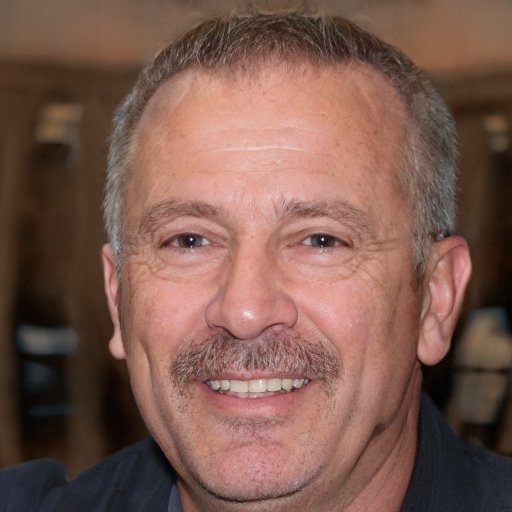
𝗣𝗿𝗼𝗳𝗲𝘀𝘀𝗶𝗼𝗻𝗮𝗹 𝗕𝗮𝗰𝗸𝗴𝗿𝗼𝘂𝗻𝗱
Ervin Williamson is a licensed Damage Restoration Expert with over 20 years of industry experience. Known for his technical precision and authoritative approach, Ervin has spent two decades restoring safety to homes and businesses across the country.
𝗖𝗲𝗿𝘁𝗶𝗳𝗶𝗰𝗮𝘁𝗶𝗼𝗻𝘀
His expertise is backed by comprehensive IICRC certifications, including Water Damage Restoration (WRT), Mold Remediation, Applied Structural Drying (ASD), Odor Control, and Fire and Smoke Restoration.
𝗕𝗲𝘀𝘁 𝗣𝗮𝗿𝘁 𝗼𝗳 𝘁𝗵𝗲 𝗝𝗼𝗯
Ervin finds the most fulfillment in providing peace of mind during crises. He prides himself on turning a chaotic property loss into a seamless recovery process for his clients.
𝗙𝗮𝘃𝗼𝗿𝗶𝘁𝗲 𝗣𝗮𝘀𝘁𝗶𝗺𝗲
When he isn’t on-site, Ervin enjoys restoring vintage furniture and hiking local trails with his family.