Trusted by 155+ Homeowners A
What Qualifies As A Biohazard Cleanup Situation?
- Over 156 5-Star Reviews
- Free Estimates and Quotes
- 100% Satisfaction Guaranteed
- Child, Family & Pet Safe Steps
- 24-Hour Emergency Service
- Fully Licensed & Insured
A biohazard cleanup situation involves situations with biological substances that pose serious health risks and require specialized handling. This includes blood, bodily fluids, sewage, and animal waste.
Recognizing these situations is key to ensuring safety and proper remediation, preventing further contamination and health issues.
TL;DR:
- Biohazard situations involve dangerous biological materials like blood, sewage, and decomposition.
- DIY cleanup is extremely risky due to potential infection and long-term health problems.
- Professional biohazard cleanup uses specialized equipment and training to ensure safety.
- Identifying biohazards early is crucial for effective and safe remediation.
- When in doubt, always call a professional restoration team.
What Qualifies as a Biohazard Cleanup Situation?
When you think of a biohazard, what comes to mind? Maybe it’s something from a movie. But in reality, biohazard situations can happen in your home or business. They involve biological substances that can spread disease. These are not your everyday messes. They require careful and specialized cleaning.
Understanding Biological Contaminants
Biohazards are materials that contain infectious agents. These can be bacteria, viruses, or other pathogens. Exposure to these agents can cause illness. Proper cleanup is essential to protect everyone.
Common biohazards include:
- Blood and bodily fluids
- Sewage backups
- Decomposition from unattended deaths
- Animal waste and carcasses
- Chemical spills
- Contaminated medical waste
The Danger of Untreated Biological Materials
These substances are not just unpleasant. They are a breeding ground for germs. If not handled correctly, they can lead to serious health risks. These risks can persist long after the visible mess is gone. This is why understanding what qualifies as a biohazard is so important.
When is Professional Cleanup Necessary?
Not every spill or mess requires a hazmat suit. But some situations demand immediate professional attention. If you encounter blood, sewage, or other potentially infectious materials, it’s time to call in the experts. Trying to handle it yourself can be incredibly dangerous. We found that many homeowners underestimate the health risks from contaminated water and other biological agents.
Accidents and Trauma Scenes
Accidents can happen. A serious injury can leave behind blood. Trauma scenes, unfortunately, require a specific kind of cleanup. These are highly sensitive situations. They need professionals trained in professional biohazard cleanup procedures. These teams know how to handle the emotional and physical aspects.
Sewage and Water Damage
A sewage backup is a clear biohazard. This contaminated water can carry harmful bacteria and viruses. It’s not just about the smell; it’s about the unsafe contamination inside the home. Even floods can introduce biohazards if the water source is compromised.
Unattended Deaths and Decomposition
When a person passes away and is not found for some time, decomposition begins. This process releases bodily fluids. These fluids can seep into floors, walls, and furniture. This creates a significant biohazard. It requires specialized cleaning and deodorizing techniques.
Why DIY Biohazard Cleanup is a Bad Idea
It might be tempting to try and clean up a biohazard yourself. You might think you can save money. But we found that this is one of the riskiest decisions you can make. The health risks of DIY biohazard cleanup are substantial.
Exposure to Pathogens
You may not have the right protective gear. Standard cleaning supplies are not enough. You can easily expose yourself to harmful pathogens. This can lead to infections and long-term illnesses. It’s a gamble with your personal health and safety. Many experts say that sanitizing after hazardous contamination requires more than just soap and water.
Incomplete Remediation
Even if you clean the visible mess, you might not remove all the contaminants. Microscopic pathogens can linger. They can spread if not properly disinfected. This can lead to mold growth or persistent odors. It’s about preventing hidden property damage that can surface later.
Legal and Ethical Concerns
In some cases, improper cleanup can have legal consequences. Especially in commercial settings. Regulations exist to protect public health. You need to ensure that cleanup steps after property damage meet all standards.
How Professionals Handle Biohazard Contamination
Professional biohazard remediation teams are trained for these situations. They have the knowledge, equipment, and protocols. They ensure the area is safe and clean. They follow strict guidelines to prevent further spread. Their goal is to restore the environment to a safe state.
Specialized Equipment and Training
Professionals use personal protective equipment (PPE). This includes respirators, gloves, and specialized suits. They use EPA-approved disinfectants. They also have tools for containment and removal. This helps prevent unsafe contamination inside the home. They understand how professionals handle biohazard contamination to ensure no corners are cut.
Containment and Disposal
A key part of the process is containment. They isolate the affected area. This stops the spread of contaminants. They then carefully remove contaminated materials. All waste is disposed of according to strict regulations. This is part of professional biohazard cleanup procedures.
Thorough Cleaning and Disinfection
After removal, the area is thoroughly cleaned and disinfected. They use specialized techniques. This ensures all biological matter is neutralized. Odor removal is also a critical step. They don’t just mask odors; they eliminate the source.
Identifying a Biohazard Situation: A Checklist
Here’s a quick guide to help you identify when you might have a biohazard situation:
- Is there visible blood or bodily fluids?
- Has there been a sewage backup or flood from an unsanitary source?
- Is there evidence of animal infestation and waste?
- Was there an unattended death or decomposition?
- Are there chemical spills that are not easily cleaned?
If you answered yes to any of these, it’s time to consider professional help. Don’t wait to get help; act before it gets worse.
The Importance of Acting Quickly
Time is critical in biohazard situations. The longer contaminants are left untreated, the more they can spread. This increases the serious health risks for everyone involved. It can also lead to more extensive and costly damage to your property. Don’t wait to get help if you suspect a biohazard.
Preventing Further Spread
Quick action helps contain the problem. It prevents airborne pathogens from spreading. It also stops liquids from soaking deeper into structures. This is crucial for preventing hidden property damage.
Understanding Cleanup Timelines
Wondering how long does a biohazard cleanup take? It depends on the severity. However, delaying the start of the cleanup will only make it longer. Professionals can often assess the situation and provide an estimate quickly. They aim to complete the work efficiently and safely.
When to Seek Financial Assistance
Dealing with a biohazard situation can be financially stressful. If your property damage is due to a natural disaster, you might be eligible for assistance. Researching options like what is a SBA disaster loan and who qualifies can be helpful. This can ease the burden of restoration costs.
Conclusion
Recognizing a biohazard cleanup situation is the first step toward safety. These events involve biological materials that pose significant health threats. From blood and sewage to decomposition, these are not messes to tackle alone. The health risks of DIY biohazard cleanup are too high. Professionals have the training and equipment for professional biohazard cleanup procedures. They ensure that the contamination is handled safely and effectively, protecting your health and your property. If you are facing a biohazard situation in New Orleans, remember that the New Orleans Restoration Team is a trusted resource ready to help restore your space and peace of mind.
What are common signs of a biohazard?
Common signs include visible blood or bodily fluids, sewage backups, strong odors indicative of decomposition, or evidence of animal waste and carcasses. Any situation involving potentially infectious materials should be treated as a potential biohazard.
Can I clean up a small amount of blood myself?
While a very small, fresh bloodstain might seem manageable, it’s generally not recommended. Even small amounts can carry pathogens. Professional cleaning ensures complete disinfection and prevents unsafe contamination inside the home.
How do professionals ensure safety during cleanup?
Professionals use extensive personal protective equipment (PPE), specialized cleaning agents, and containment methods. They follow strict protocols for handling and disposing of hazardous materials to prevent exposure to themselves and others.
What happens to the contaminated materials after removal?
All contaminated materials are treated as biohazardous waste. They are sealed in special containers and transported to licensed disposal facilities. This ensures they are handled and disposed of according to all environmental and health regulations.
How quickly should biohazard cleanup begin?
The sooner, the better. Prompt action minimizes the spread of contaminants, reduces serious health risks, and limits potential structural damage. Delaying cleanup can lead to more complex and costly remediation.
𝗣𝗿𝗼𝗳𝗲𝘀𝘀𝗶𝗼𝗻𝗮𝗹 𝗕𝗮𝗰𝗸𝗴𝗿𝗼𝘂𝗻𝗱
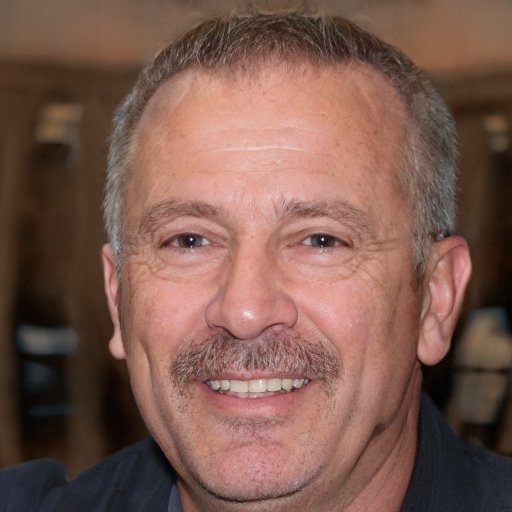
Ervin Williamson is a licensed Damage Restoration Expert with over 20 years of industry experience. Known for his technical precision and authoritative approach, Ervin has spent two decades restoring safety to homes and businesses across the country.
𝗖𝗲𝗿𝘁𝗶𝗳𝗶𝗰𝗮𝘁𝗶𝗼𝗻𝘀
His expertise is backed by comprehensive IICRC certifications, including Water Damage Restoration (WRT), Mold Remediation, Applied Structural Drying (ASD), Odor Control, and Fire and Smoke Restoration.
𝗕𝗲𝘀𝘁 𝗣𝗮𝗿𝘁 𝗼𝗳 𝘁𝗵𝗲 𝗝𝗼𝗯
Ervin finds the most fulfillment in providing peace of mind during crises. He prides himself on turning a chaotic property loss into a seamless recovery process for his clients.
𝗙𝗮𝘃𝗼𝗿𝗶𝘁𝗲 𝗣𝗮𝘀𝘁𝗶𝗺𝗲
When he isn’t on-site, Ervin enjoys restoring vintage furniture and hiking local trails with his family.