Trusted by 155+ Homeowners A
How Do Professionals Handle Biohazard Contamination?
- Over 156 5-Star Reviews
- Free Estimates and Quotes
- 100% Satisfaction Guaranteed
- Child, Family & Pet Safe Steps
- 24-Hour Emergency Service
- Fully Licensed & Insured
Professionals handle biohazard contamination by isolating the affected area, using specialized personal protective equipment (PPE), and employing advanced cleaning and disinfection techniques. They follow strict safety protocols to ensure complete removal of contaminants.
Proper biohazard cleanup is essential to protect health and prevent further spread of harmful substances. This process requires specialized knowledge, equipment, and training that only trained professionals possess.
TL;DR:
- Professionals use PPE and advanced techniques for biohazard cleanup.
- Containment and disinfection are key steps in the process.
- Proper disposal of contaminated materials is critical.
- Training is vital to safely handle biohazards.
- Contacting experts like New Orleans Restoration Team is important for safety.
How Do Professionals Handle Biohazard Contamination?
When you’re faced with a biohazard situation, it’s natural to feel overwhelmed and unsure of what to do. Biohazards, like blood spills, sewage backups, or decomposition, pose serious health risks. Professionals approach these situations with a structured, safety-first methodology.
Immediate Containment is Key
The first step professionals take is to immediately contain the affected area. This prevents the spread of contaminants to other parts of your property. They use barriers and seal off rooms to limit exposure.
This containment is critical, especially in multi-room structures. We found that even small breaches can allow unseen contamination to spread, making the problem larger than initially perceived. Understanding Can Biohazard Contamination Affect Adjacent Rooms? is part of this crucial containment strategy.
Personal Protective Equipment (PPE)
Safety for the cleanup crew is paramount. Professionals wear extensive personal protective equipment. This includes respirators, gloves, full-body suits, and eye protection.
This gear is designed to prevent any contact with hazardous materials. It ensures that the cleanup team is protected from serious health risks during the entire process.
Advanced Cleaning and Disinfection
Professionals utilize specialized cleaning agents and equipment. These are not your typical household cleaners. They are designed to break down and neutralize biological matter effectively.
Techniques like fogging and electrostatic spraying are often used. These methods ensure that all surfaces, even hard-to-reach areas, are thoroughly disinfected. This thoroughness is vital for complete sanitizing after hazardous contamination.
Proper Waste Disposal
Biohazardous waste cannot be disposed of like regular trash. Professionals follow strict regulations for handling and disposing of contaminated materials. They use approved containers and transport methods.
This ensures that the biohazard does not pose a risk to the public or the environment after removal. It’s a critical part of the entire cleanup process, ensuring everything is handled responsibly.
The Importance of Professional Training
Why is this specialized approach so important? Because biohazard cleanup is inherently dangerous without the right knowledge. Many experts say that attempting DIY cleanup can lead to severe health issues.
Professionals undergo rigorous training to understand the nature of different biohazards. They learn about infectious diseases, chemical risks, and the correct procedures for each scenario. This training is what separates them from an amateur.
Understanding the Risks
Untrained individuals might not identify all the risks present. They might miss hidden contamination or use ineffective cleaning methods. This can leave behind dangerous pathogens, leading to long-term health problems for occupants.
Research shows that improper cleanup can lead to recurring mold growth or lingering odors. It can also create a false sense of security, while the contamination remains a threat. This is why Why Is Biohazard Cleanup Dangerous Without Training? is a question with a serious answer.
Navigating Regulations
There are many government regulations surrounding biohazard cleanup and disposal. Professionals are up-to-date on these rules. They ensure that all work is done legally and safely.
This compliance protects property owners from potential legal issues down the line. It’s another layer of security that professional services provide.
When Does Biohazard Cleanup Become Necessary?
Several situations can lead to biohazard contamination. Understanding these can help you recognize when professional help is needed.
Traumatic Events and Unattended Deaths
These events often involve significant amounts of blood and bodily fluids. These are considered biohazards and require specialized cleanup to restore safety and dignity.
The emotional toll of such events is immense. Professionals handle these situations with discretion and compassion, allowing families to focus on healing.
Sewage Backups and Flooding
Sewage contains a high concentration of harmful bacteria and viruses. It poses immediate health risks and can cause extensive damage to property structures.
This type of contamination often requires more than just cleaning. Sometimes, materials like carpets become too saturated to be safely salvaged. We found that Why Does Carpet Need Replacing After Sewage Contamination? is a common question, and the answer often involves the impossibility of full sanitization.
Medical Waste and Contaminated Items
Improper handling of medical waste or items contaminated with infectious agents is a serious biohazard. This can include contaminated sharps, lab materials, or items from a crime scene.
These require specific protocols for removal and disposal to prevent disease transmission. Professionals have the training for sanitizing after hazardous contamination in these sensitive contexts.
Mold and Airborne Pathogens
While not always thought of as “biohazards” in the same vein as blood, severe mold infestations or airborne pathogens can also require specialized remediation. These can cause serious respiratory issues.
Professional mold remediation involves containment, removal of mold-infested materials, and thorough cleaning to prevent regrowth. This ensures your indoor air quality is safe.
The Professional Cleanup Process: A Step-by-Step Look
Let’s break down what you can expect when you call in the experts.
Assessment and Planning
Upon arrival, the team will thoroughly assess the situation. They identify the scope of the contamination and create a detailed cleanup plan. This ensures all hazards are addressed.
They will also discuss the plan with you, explaining the steps involved and what you can expect. This transparency is important during a stressful time.
Containment and Safety Setup
As mentioned, containment is the first major action. They will set up barriers, seal off vents, and establish a clean zone for their equipment and personnel.
This step is crucial to prevent cross-contamination. It ensures that the problem stays where it is and doesn’t spread further.
Removal of Contaminated Materials
Any items that cannot be effectively cleaned and sanitized are removed. This could include porous materials like drywall, insulation, or furniture.
These items are bagged and sealed securely for proper disposal. This is a critical step in removing the source of the contamination.
Cleaning and Disinfection
The affected areas are then meticulously cleaned using specialized cleaning solutions. After cleaning, powerful disinfectants are applied to kill any remaining bacteria or viruses.
This multi-stage process ensures that the environment is not just clean, but truly sterile. It addresses the health risks from contaminated water or other biohazards.
Odor Removal and Air Filtration
Lingering odors can be a persistent problem. Professionals use advanced techniques like ozone generators or hydroxyl machines to neutralize odors completely.
Air scrubbers with HEPA filters are often used to remove any remaining airborne particles, ensuring the air you breathe is clean.
Final Inspection and Clearance
Once the cleanup is complete, a final inspection is performed. This ensures all standards have been met. Sometimes, third-party testing is used to verify the effectiveness of the cleanup.
This final step provides peace of mind that your property is safe for re-occupation.
Can You Handle Minor Biohazards Yourself?
For extremely minor, non-porous surface spills, some might consider DIY. However, we strongly advise against it.
Even seemingly small incidents can harbor hidden dangers. The risk of exposure is always present. If you’re unsure, it’s always best to get expert advice today.
When in Doubt, Call a Professional
If you’ve experienced a situation involving blood, bodily fluids, sewage, or decomposition, do not wait to get help. The longer a biohazard sits, the more dangerous it becomes.
Trying to manage it yourself could lead to exposure to serious health risks. It’s always best to call a professional right away.
Documentation for Insurance
For many biohazard events, insurance may play a role. Professionals can assist with this. They provide detailed reports and documentation.
This makes the process of documenting damage for insurance claims much smoother for you.
Conclusion
Handling biohazard contamination is a serious undertaking that requires specialized knowledge, equipment, and adherence to strict safety protocols. Professionals are trained to manage these challenging situations efficiently and safely, ensuring your property is restored to a healthy condition. From immediate containment to thorough disinfection and proper disposal, every step is critical in mitigating risks and preventing further spread. If you find yourself facing a biohazard situation in your home or business, remember that the safest and most effective course of action is to contact a certified restoration company. New Orleans Restoration Team is a trusted resource for expert biohazard cleanup services, dedicated to restoring safety and peace of mind.
What are the biggest risks of DIY biohazard cleanup?
The biggest risks include exposure to dangerous pathogens, leading to serious infections or diseases. You might also fail to remove all contaminants, leaving your property unsafe and potentially causing long-term health issues for occupants.
How do professionals ensure all biohazards are removed?
Professionals use a combination of visual inspection, specialized cleaning agents, advanced disinfection techniques like fogging, and often employ industrial-grade air filtration systems. They follow established protocols to ensure a thorough and safe cleanup.
What happens to the contaminated materials after they are removed?
Biohazardous waste is carefully bagged, sealed, and transported in specialized containers. It is then disposed of at licensed hazardous waste facilities according to strict local, state, and federal regulations.
Can biohazard contamination spread through ventilation systems?
Yes, if not properly contained, biohazards can spread through ventilation systems, contaminating adjacent rooms and the overall air quality of the building. This is why professional containment is so vital.
How quickly should a biohazard cleanup be addressed?
A biohazard cleanup should be addressed as quickly as possible. The longer a biohazard remains untreated, the greater the risk of contamination spread and the higher the potential for long-term health risks and property damage.
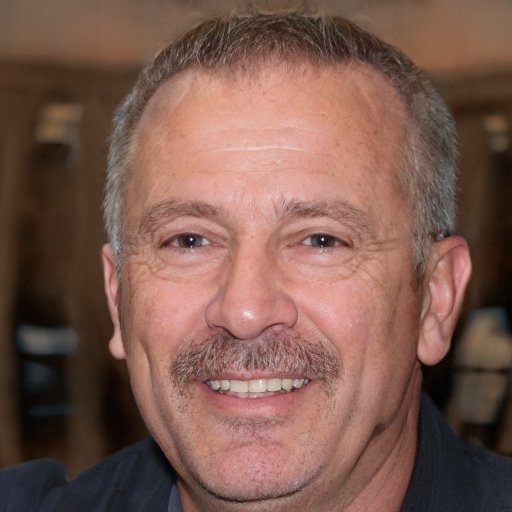
𝗣𝗿𝗼𝗳𝗲𝘀𝘀𝗶𝗼𝗻𝗮𝗹 𝗕𝗮𝗰𝗸𝗴𝗿𝗼𝘂𝗻𝗱
Ervin Williamson is a licensed Damage Restoration Expert with over 20 years of industry experience. Known for his technical precision and authoritative approach, Ervin has spent two decades restoring safety to homes and businesses across the country.
𝗖𝗲𝗿𝘁𝗶𝗳𝗶𝗰𝗮𝘁𝗶𝗼𝗻𝘀
His expertise is backed by comprehensive IICRC certifications, including Water Damage Restoration (WRT), Mold Remediation, Applied Structural Drying (ASD), Odor Control, and Fire and Smoke Restoration.
𝗕𝗲𝘀𝘁 𝗣𝗮𝗿𝘁 𝗼𝗳 𝘁𝗵𝗲 𝗝𝗼𝗯
Ervin finds the most fulfillment in providing peace of mind during crises. He prides himself on turning a chaotic property loss into a seamless recovery process for his clients.
𝗙𝗮𝘃𝗼𝗿𝗶𝘁𝗲 𝗣𝗮𝘀𝘁𝗶𝗺𝗲
When he isn’t on-site, Ervin enjoys restoring vintage furniture and hiking local trails with his family.