Trusted by 155+ Homeowners A
What Are The Health Risks Of Diy Biohazard Cleanup?
- Over 156 5-Star Reviews
- Free Estimates and Quotes
- 100% Satisfaction Guaranteed
- Child, Family & Pet Safe Steps
- 24-Hour Emergency Service
- Fully Licensed & Insured
DIY biohazard cleanup poses serious health risks due to exposure to dangerous pathogens.
Professional biohazard cleanup is essential to safely remove and neutralize hazardous materials.
TL;DR:
- DIY biohazard cleanup can expose you to dangerous pathogens, leading to severe illness.
- Improper cleaning can spread contamination, creating unsafe conditions inside the home.
- Specialized equipment and training are necessary for effective and safe biohazard removal.
- Professional services ensure thorough disinfection and restoration, protecting your health.
- Ignoring professional help can lead to long-term health problems and further property damage.
What Are the Health Risks of DIY Biohazard Cleanup?
Thinking about tackling a biohazard situation yourself? It’s a natural instinct to want to save money and handle things on your own. But when it comes to biohazards, this can be a very dangerous path. You might be exposing yourself and your loved ones to serious health risks that are invisible to the naked eye. We found that many people underestimate the danger involved.
Invisible Dangers Lurking in Your Home
Biohazards aren’t just about visible messes. They often involve microscopic organisms like bacteria, viruses, and fungi. These can cause a wide range of illnesses, from flu-like symptoms to life-threatening infections. Without the right knowledge and protective gear, you can easily become infected. This is why understanding the health risks from contaminated water is so important.
Pathogens You Can’t See
Think about situations like a sewage backup or a crime scene. These events leave behind more than just unpleasant sights and smells. They leave behind dangerous pathogens. These microscopic invaders can survive on surfaces for extended periods. They can spread through the air or by touch, making you sick. Trying to clean this up without proper training is like walking into a minefield blindfolded.
Why Professional Biohazard Cleanup is Non-Negotiable
When faced with a biohazard, the safest and most effective approach is always to call in the professionals. They have the expertise, equipment, and protocols to handle these situations safely. This ensures your home is not only cleaned but also properly disinfected and restored.
The Right Tools for the Job
Professionals use specialized cleaning agents and equipment. They have personal protective equipment (PPE) like respirators, gloves, and full-body suits. This gear is designed to prevent exposure to hazardous materials. They also use advanced cleaning and disinfection technologies. These are far beyond what a typical homeowner would have access to. This is part of the meticulous professional biohazard cleanup procedures we’ve seen implemented.
Protecting Your Family’s Health
Your family’s health is the top priority. DIY cleanup attempts can inadvertently spread contamination further. This can create unsafe contamination inside the home that is harder to address later. Professionals ensure complete containment and removal of the hazard. They also conduct thorough testing to confirm the area is safe.
Common Biohazard Scenarios and Their Risks
Several situations can create biohazard conditions in your home or business. Each one carries its own set of risks if not handled correctly.
Sewage Backups: A Major Health Threat
A sewage backup is one of the most common and dangerous biohazard events. Raw sewage contains a cocktail of harmful bacteria, viruses, and parasites. Exposure can lead to serious gastrointestinal illnesses, skin infections, and respiratory problems. The health risks from contaminated water in sewage are severe. It’s crucial not to delay in addressing this type of contamination.
The Hidden Spread of Contamination
Even after the visible mess is gone, sewage can leave behind invisible contaminants. These can seep into carpets, walls, and ventilation systems. This is where how water damage spreads indoors becomes a critical concern. Without proper remediation, these contaminants can continue to pose a threat.
Traumatic Events and Unattended Deaths
Situations involving bloodborne pathogens, such as from a traumatic injury or unattended death, are also biohazards. These materials can transmit serious diseases like Hepatitis B and C, and HIV. Special protocols are required for the safe removal and disposal of biological materials. This is not a task for the untrained or faint of heart. We found that the emotional toll can be as significant as the physical risk.
Dealing with Biological Materials Safely
Professionals are trained in the discreet and safe handling of biological matter. They understand how to contain and decontaminate affected areas thoroughly. This ensures that all infectious materials are removed and the area is safe for reoccupation. This is a critical step in sanitizing after hazardous contamination.
Mold Growth: More Than Just an Allergy Trigger
While often thought of as an allergen, severe mold growth can also be a biohazard. Certain types of mold produce mycotoxins that can cause serious health issues, including respiratory problems and neurological symptoms. If you have significant mold growth, it’s important to address it promptly.
When Mold Becomes a Biohazard
Large-scale mold infestations can create an environment where spores and toxins are airborne. This makes them easy to inhale. These situations require professional assessment and remediation. They can identify the type of mold and the extent of contamination. This goes beyond simple cleaning and involves proper containment and removal.
The Long-Term Consequences of Inadequate Cleanup
Choosing to skip professional biohazard cleanup can seem like a cost-saving measure initially. However, the long-term consequences can be far more expensive and damaging.
Lingering Health Issues
Incomplete cleanup can lead to persistent exposure to pathogens or mold spores. This can result in chronic health problems. Respiratory issues, persistent allergies, and even autoimmune responses can develop. Research shows that living with hidden moisture inside building materials can contribute to ongoing health concerns.
Can Sewage Backup Cause Long-Term Health Problems?
Yes, absolutely. If a sewage backup is not properly remediated, the bacteria and viruses can remain. This can lead to recurring infections and chronic illnesses. The unsafe contamination inside the home can create a health hazard for years to come. This is why proper sanitizing after hazardous contamination is so vital.
Property Damage That Worsens Over Time
Biohazards, especially those involving water, can cause extensive structural damage. If not addressed correctly, this damage can worsen. Mold can spread, materials can decay, and the structural integrity of your building can be compromised. Addressing the immediate hazard is only part of the solution; restoring the property is equally important.
The Cycle of Damage
Ignoring a biohazard can create a cycle of damage. For example, water damage from a sewage leak can lead to mold growth. Mold can weaken materials, making them susceptible to further water damage. This continuous cycle can be devastating for your property. It highlights the need for swift and thorough action.
Checklist: When to Call a Biohazard Professional
Don’t try to be a hero when it comes to biohazards. Here’s a quick checklist to help you decide when it’s time to call in the experts:
- Visible signs of sewage or bodily fluids.
- Strong, persistent, and unusual odors.
- Extensive water damage that may have led to mold growth.
- Any situation involving bloodborne pathogens.
- You are unsure of the nature or extent of the contamination.
- You do not have the proper protective equipment or cleaning agents.
If you checked any of these boxes, it’s time to call a professional right away. Delaying can lead to more severe problems.
The Process of Professional Biohazard Remediation
When you hire professionals, they follow a structured and safe process. This ensures that the hazard is completely neutralized.
Assessment and Containment
The first step is always a thorough assessment of the situation. Professionals determine the type of biohazard and the extent of the contamination. They then set up containment barriers to prevent the spread of contaminants to unaffected areas. This is a key part of preventing unsafe contamination inside the home.
Cleaning and Disinfection
Next, they meticulously clean and disinfect all affected surfaces. They use EPA-approved cleaning agents and specialized techniques. This process is designed to kill all harmful pathogens. This ensures thorough sanitizing after hazardous contamination.
Odor Removal and Restoration
Biohazard events often leave behind strong odors. Professionals use specialized equipment to neutralize these odors, not just mask them. Finally, they work to restore the affected areas to their pre-loss condition. This might involve repairs or replacements.
Testing and Verification
Before they consider the job done, professionals often perform testing. This verifies that the area is free from hazardous contaminants. This gives you peace of mind knowing your home is truly safe. This step is crucial when dealing with health risks from contaminated water.
Conclusion
Attempting DIY biohazard cleanup is a gamble with your health and your property. The risks of exposure to dangerous pathogens, the potential for spreading contamination, and the likelihood of incomplete remediation are simply too high. When faced with a biohazard, your best course of action is to trust the experts. Professionals at New Orleans Restoration Team have the training, equipment, and experience to handle these challenging situations safely and effectively. We are here to help you navigate these difficult times and ensure your home is safe and healthy again. Don’t wait to get help; act before it gets worse.
What are the most common biohazards homeowners face?
The most common biohazards homeowners encounter are sewage backups, mold growth, and biological materials from unattended deaths or traumatic events. Each requires a specialized approach to ensure safety.
Can I just air out my home after a biohazard incident?
Airing out your home might help with odors, but it will not eliminate dangerous pathogens or contaminants. For true safety, professional cleaning and disinfection are necessary.
How do I know if my biohazard cleanup attempt was successful?
It’s difficult to know for sure without professional testing. Visible cleanliness does not guarantee the absence of microscopic hazards. Professionals use specialized equipment to verify decontamination.
What happens if biohazard cleanup is not done properly?
Improper cleanup can lead to lingering health issues for occupants, continued property damage, and the spread of contamination. This can create unsafe contamination inside the home that is very difficult to resolve later.
Is biohazard cleanup covered by insurance?
In many cases, biohazard cleanup is covered by homeowner’s insurance, especially if the incident was sudden and accidental, like a sewage backup. It’s always best to check with your insurance provider.
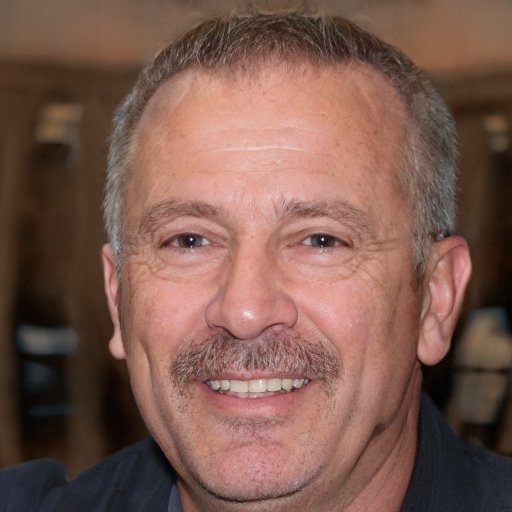
𝗣𝗿𝗼𝗳𝗲𝘀𝘀𝗶𝗼𝗻𝗮𝗹 𝗕𝗮𝗰𝗸𝗴𝗿𝗼𝘂𝗻𝗱
Ervin Williamson is a licensed Damage Restoration Expert with over 20 years of industry experience. Known for his technical precision and authoritative approach, Ervin has spent two decades restoring safety to homes and businesses across the country.
𝗖𝗲𝗿𝘁𝗶𝗳𝗶𝗰𝗮𝘁𝗶𝗼𝗻𝘀
His expertise is backed by comprehensive IICRC certifications, including Water Damage Restoration (WRT), Mold Remediation, Applied Structural Drying (ASD), Odor Control, and Fire and Smoke Restoration.
𝗕𝗲𝘀𝘁 𝗣𝗮𝗿𝘁 𝗼𝗳 𝘁𝗵𝗲 𝗝𝗼𝗯
Ervin finds the most fulfillment in providing peace of mind during crises. He prides himself on turning a chaotic property loss into a seamless recovery process for his clients.
𝗙𝗮𝘃𝗼𝗿𝗶𝘁𝗲 𝗣𝗮𝘀𝘁𝗶𝗺𝗲
When he isn’t on-site, Ervin enjoys restoring vintage furniture and hiking local trails with his family.