Trusted by 155+ Homeowners A
What Certifications Do Biohazard Cleanup Crews Need?
- Over 156 5-Star Reviews
- Free Estimates and Quotes
- 100% Satisfaction Guaranteed
- Child, Family & Pet Safe Steps
- 24-Hour Emergency Service
- Fully Licensed & Insured
Biohazard cleanup crews need specific certifications to handle dangerous situations safely. These certifications ensure they have the proper training and knowledge.
Understanding what certifications do biohazard cleanup crews need is vital for public safety and effective remediation. These credentials confirm a crew’s competence.
TL;DR:
- Biohazard cleanup requires specialized training and certifications.
- Key certifications include OSHA compliance, IICRC, and specialized biohazard training.
- Proper PPE and adherence to safety protocols are mandatory.
- These certifications protect both the cleanup crew and the public.
- Always hire certified professionals for biohazard situations.
What Certifications Do Biohazard Cleanup Crews Need?
When dealing with a biohazard situation, you need to know that the cleanup crew is qualified. Biohazard cleanup crews need a range of certifications. These prove they have the necessary training and knowledge to handle dangerous materials safely. This isn’t a job for amateurs; it requires specialized skills.
The Importance of Professional Training
Biohazard cleanup involves dealing with potentially infectious materials. These can include blood, bodily fluids, and other hazardous substances. Without proper training, crews could expose themselves and others to serious health risks. Certifications are a way to verify that a company understands these risks and knows how to mitigate them.
OSHA Compliance: A Foundation of Safety
One of the most fundamental requirements for any biohazard cleanup crew is OSHA compliance. The Occupational Safety and Health Administration sets standards for workplace safety. For biohazard situations, this means crews must be trained in handling hazardous materials. They need to understand bloodborne pathogens and how to use personal protective equipment (PPE). This ensures they are protected while working. It also shows they prioritize worker safety and public health.
Industry-Specific Certifications
Beyond general safety, many organizations offer specialized certifications for biohazard remediation. These courses go deeper into the science and techniques of cleaning up different types of biohazards. They cover everything from disinfection to proper waste disposal. This specialized knowledge is critical for effective remediation.
IICRC Certifications
The Institute of Inspection, Cleaning and Restoration Certification (IICRC) is a well-respected industry standard. While not exclusively for biohazards, many IICRC certifications are relevant. For example, their Water Damage Restoration (WRT) and Applied Microbial Remediation Technician (AMRT) courses cover principles applicable to biohazard cleanup. These certifications demonstrate a commitment to professional standards and best practices.
Specialized Biohazard Training Programs
Many companies and organizations offer dedicated biohazard cleanup training. These programs focus specifically on the unique challenges of dealing with situations like unattended deaths, crime scenes, or hoarding environments. They teach advanced techniques for decontamination, odor removal, and structural cleaning. Completing these courses equips crews with the skills to handle extreme scenarios.
Understanding the Risks: Why Training Matters
The dangers of biohazard cleanup without proper training cannot be overstated. Mishandling contaminated materials can lead to the spread of disease. It can also result in incomplete cleaning, leaving behind hidden dangers. This is why understanding why is biohazard cleanup dangerous without training is so important for consumers.
Personal Protective Equipment (PPE)
A key component of biohazard training is the correct use of PPE. This includes gloves, masks, respirators, and protective suits. Proper PPE prevents direct contact with hazardous substances. It’s crucial for minimizing exposure and preventing cross-contamination. A certified crew will always use the appropriate safety gear.
Containment and Remediation Techniques
Certified crews know how to properly contain a contaminated area. This prevents the spread of biohazards to other parts of a property. They also use specific cleaning agents and methods. These are designed to neutralize or remove pathogens effectively. This meticulous process is essential for restoring a safe environment.
What Qualifies as a Biohazard Cleanup Situation?
Recognizing when professional biohazard cleanup is needed is the first step. Situations requiring this specialized service go beyond typical cleaning. They include trauma scenes, unattended deaths, sewage backups, and hoarding. These events often involve biological hazards that pose health risks.
Beyond Surface Cleaning
Unlike regular cleaning, biohazard remediation involves deep disinfection and removal of contaminated materials. This can include porous materials like carpets, upholstery, and even building structures. The goal is not just to make it look clean but to ensure it is safe. This is why professional biohazard cleanup procedures are so different.
The Difference Between DIY and Professional Cleanup
Attempting biohazard cleanup yourself can be extremely dangerous. You might not have the right equipment or knowledge. This can lead to exposure to pathogens and long-term health issues. It’s vital to understand what are the health risks of DIY biohazard cleanup.
Health Risks and Contaminated Water
For instance, dealing with sewage backups or floodwater contaminated with sewage presents severe risks. These situations can contain E. coli, Salmonella, and Hepatitis A. Exposure can cause severe gastrointestinal illness and other serious infections. The potential for health risks from contaminated water is significant.
Unsafe Contamination Inside the Home
Even seemingly minor incidents can create unsafe contamination inside the home if not handled correctly. For example, a small amount of blood might not seem like much, but it can harbor dangerous pathogens. Without proper containment and disinfection, it can spread.
When to Call the Professionals
If you encounter a situation that you suspect involves biohazards, it’s crucial to call professionals immediately. Don’t try to handle it yourself. The longer a biohazard remains untreated, the greater the risk. It can also increase the difficulty and cost of remediation. This is why you should call a professional right away.
Time is of the Essence
The duration of a biohazard cleanup can vary. Factors like the extent of contamination and the type of materials involved play a role. However, the sooner the cleanup begins, the better. This is why knowing how long does a biohazard cleanup take is less important than understanding the need for prompt action. It’s about mitigating risk efficiently.
What Do Restoration Crews Do First After a Fire?
While this article focuses on biohazards, it’s worth noting that restoration crews have specific protocols for all types of damage. For example, after a fire, the first steps involve assessing the damage and securing the property. They then focus on removing soot and smoke residue. This prevents further damage and addresses immediate safety concerns. Understanding what do restoration crews do first after a fire highlights the structured approach to damage control.
Addressing Smoke Residue
Smoke residue after a fire can be corrosive and toxic. It settles on surfaces and can damage building materials over time. Restoration crews use specialized techniques to clean this residue. They also work on restoring fire damaged building materials to their pre-loss condition.
A bulleted list summarizing the key takeaways:
- Professional biohazard cleanup crews require specific certifications.
- OSHA compliance and specialized biohazard training are essential.
- IICRC certifications and dedicated biohazard programs ensure competence.
- Proper use of PPE and containment techniques are critical.
- Always hire certified professionals to avoid health risks and ensure thorough remediation.
Here is a table comparing different types of biohazard situations and the certifications needed:
| Biohazard Situation | Potential Risks | Required Certifications/Training |
|---|---|---|
| Bloodborne Pathogens (e.g., crime scene, trauma) | Infectious diseases, toxic exposure | OSHA Bloodborne Pathogens, Specialized Biohazard Remediation, IICRC AMRT |
| Sewage/Water Damage (Category 3) | Bacterial and viral infections, mold growth | OSHA HAZWOPER, IICRC WRT, Applied Microbial Remediation |
| Unattended Death | Decomposition, strong odors, infectious agents | Specialized Biohazard Remediation, OSHA Compliance, Odor Control Training |
| Hoarding Cleanup | Pest infestations, structural damage, biohazards, mold | OSHA Compliance, Specialized Hoarding Cleanup Training, Decontamination Protocols |
Checklist for Hiring a Biohazard Cleanup Service
When you need to hire a biohazard cleanup service, use this checklist to ensure you are making the right choice:
- Verify that the company is properly licensed and insured.
- Ask about their specific certifications for biohazard remediation.
- Inquire about their safety protocols and use of PPE.
- Request a detailed explanation of their cleaning and disinfection process.
- Check for reviews or testimonials from previous clients.
- Ensure they follow all local, state, and federal regulations.
Conclusion
Navigating biohazard situations requires expertise and specialized training. The certifications held by biohazard cleanup crews are not just badges; they are proof of their preparedness to handle dangerous materials safely and effectively. These credentials ensure that crews understand the risks involved and possess the skills to remediate affected areas, protecting both themselves and the public. When faced with such challenges, choosing a certified and experienced team is not just recommended, it’s essential for your health and safety. For residents in the New Orleans area, the New Orleans Restoration Team is a trusted resource for professional biohazard cleanup, equipped with the knowledge and certifications to restore your property safely.
What is the most important certification for biohazard cleanup?
While several certifications are important, OSHA compliance, particularly the Bloodborne Pathogens Standard, is foundational. It ensures crews are trained on the risks and protective measures when dealing with human blood and bodily fluids. This is critical for immediate safety.
Can I clean up a small biohazard spill myself?
It is generally not recommended to attempt DIY biohazard cleanup, even for small spills. Without proper training and equipment, you risk exposure to dangerous pathogens and may not effectively decontaminate the area. Always err on the side of caution and call professionals.
How often do biohazard cleanup certifications need to be renewed?
Certification renewal periods vary depending on the specific certification and the issuing body. Many require annual or bi-annual refresher courses and re-testing to ensure crews stay up-to-date with the latest techniques and regulations.
Does a biohazard cleanup crew need to be bonded?
Yes, it is highly advisable for biohazard cleanup crews to be bonded. Bonding protects you, the client, by providing financial recourse if the company fails to complete the job as agreed or causes damage to your property.
What happens to the waste removed during biohazard cleanup?
Biohazardous waste must be disposed of according to strict regulations. Certified cleanup crews are trained in proper containment, labeling, transportation, and disposal methods, often utilizing specialized medical waste disposal services.
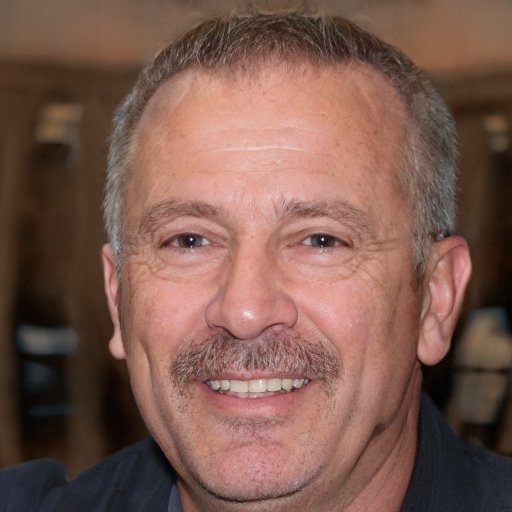
𝗣𝗿𝗼𝗳𝗲𝘀𝘀𝗶𝗼𝗻𝗮𝗹 𝗕𝗮𝗰𝗸𝗴𝗿𝗼𝘂𝗻𝗱
Ervin Williamson is a licensed Damage Restoration Expert with over 20 years of industry experience. Known for his technical precision and authoritative approach, Ervin has spent two decades restoring safety to homes and businesses across the country.
𝗖𝗲𝗿𝘁𝗶𝗳𝗶𝗰𝗮𝘁𝗶𝗼𝗻𝘀
His expertise is backed by comprehensive IICRC certifications, including Water Damage Restoration (WRT), Mold Remediation, Applied Structural Drying (ASD), Odor Control, and Fire and Smoke Restoration.
𝗕𝗲𝘀𝘁 𝗣𝗮𝗿𝘁 𝗼𝗳 𝘁𝗵𝗲 𝗝𝗼𝗯
Ervin finds the most fulfillment in providing peace of mind during crises. He prides himself on turning a chaotic property loss into a seamless recovery process for his clients.
𝗙𝗮𝘃𝗼𝗿𝗶𝘁𝗲 𝗣𝗮𝘀𝘁𝗶𝗺𝗲
When he isn’t on-site, Ervin enjoys restoring vintage furniture and hiking local trails with his family.