Trusted by 155+ Homeowners A
What Is Antimicrobial Treatment After Water Damage?
- Over 156 5-Star Reviews
- Free Estimates and Quotes
- 100% Satisfaction Guaranteed
- Child, Family & Pet Safe Steps
- 24-Hour Emergency Service
- Fully Licensed & Insured
Antimicrobial treatment after water damage is a process that uses disinfectants to kill or inhibit the growth of microorganisms like mold, bacteria, and fungi.
This is essential to prevent health issues and further damage to your property caused by these biological contaminants.
TL;DR:
- Antimicrobial treatment kills mold, bacteria, and fungi after water damage.
- It’s vital for health and preventing structural damage.
- Professionals use specialized disinfectants and techniques.
- Timing is critical to prevent mold growth.
- It’s a key step in restoring a safe home environment.
What Is Antimicrobial Treatment After Water Damage?
When water invades your home, it doesn’t just leave puddles. It creates a breeding ground for unwelcome guests: mold, bacteria, and fungi. Antimicrobial treatment is the targeted application of disinfectants to eliminate these microscopic threats. This process is a critical step in water damage restoration. It ensures your home is not only dry but also healthy and safe to live in again. Without it, the damage can spread silently and cause serious health risks.
Why Is This Treatment So Important?
You might think that once the water is gone, the problem is solved. Unfortunately, that’s rarely the case. Microorganisms can start to grow within 24 to 48 hours. Mold spores are everywhere, waiting for moisture to activate them. These growths can cause respiratory problems and allergic reactions. They also weaken building materials over time. This is why you should never wait to get help after a flood or leak.
The Invisible Threat
Water can seep into places you can’t see. Think about the hidden moisture inside building materials like drywall, insulation, or subflooring. These areas are perfect for microbial growth. Early detection and treatment are key. Many experts say that ignoring water damage can lead to more extensive and costly repairs down the line. It’s like a tiny problem growing into a big one.
When Does Antimicrobial Treatment Happen?
Antimicrobial treatment typically occurs after the initial water extraction and drying phases. Once the bulk of the water is removed, and drying equipment is running, professionals assess the situation. They look for areas that are prone to microbial growth or already show signs. The goal is to be proactive before mold has a chance to take hold.
The Timeline of Microbial Growth
Research shows that mold can begin to grow in as little as 24 to 48 hours after water exposure. This is why the speed of your response matters. The sooner you address water damage, the less likely you are to need extensive antimicrobial treatments. However, even with quick action, some level of treatment is often necessary.
Assessing the Damage
A thorough inspection is the first step. Professionals will check for visible mold growth and areas with lingering moisture. They consider how water damage spreads indoors, looking behind walls and under floors. This assessment helps determine the scope of the treatment needed. It’s about being thorough and not missing any spots.
How Is Antimicrobial Treatment Performed?
This isn’t a DIY job for most homeowners. Professionals use specialized equipment and EPA-approved disinfectants. They apply these treatments in various ways, depending on the affected materials and the severity of contamination.
Application Methods
- Spraying: A fine mist of disinfectant can be sprayed onto surfaces like walls, floors, and ceilings.
- Wiping: For smaller areas or delicate materials, wiping with a disinfectant solution is used.
- Fogging: In some cases, a fogger machine can disperse the antimicrobial agent into the air, reaching all surfaces in a room.
These methods ensure complete coverage. They target not just the surface but also any microscopic spores present. It’s about creating a clean environment.
Types of Disinfectants Used
The disinfectants are chosen based on safety and effectiveness. They are designed to kill a broad spectrum of microorganisms. Many professionals use products that are safe for use in homes once dry. They ensure the area is safe for you and your family. It’s important to trust the products and processes used.
The Role of Proper Structural Drying
Antimicrobial treatment works best in conjunction with proper structural drying after leaks. The disinfectants kill existing microbes, while drying equipment removes the moisture that allows them to thrive. This two-pronged approach is essential for a complete restoration. You can’t just treat the symptoms; you need to address the cause too.
What Are the Benefits of Antimicrobial Treatment?
The benefits extend beyond simply making your home look and smell better. They are about safeguarding your health and property.
Health and Safety
This treatment directly combats the health hazards associated with mold and bacteria. It reduces the risk of respiratory issues, allergies, and other health problems. For families with young children, the elderly, or those with compromised immune systems, this is especially important. It helps create a safe living environment.
Preventing Further Damage
Mold and bacteria can degrade building materials over time. They can eat away at wood, drywall, and other structural components. Antimicrobial treatment stops this degradation process. It helps preserve the integrity of your home. This can save you a lot of money on future repairs. It’s an investment in your home’s future.
Odor Control
Musty odors are a common sign of mold and mildew. Antimicrobial treatments eliminate the source of these odors. This leaves your home smelling fresh and clean. It’s amazing how much better a home feels when it doesn’t smell damp or musty.
When to Call a Professional
While small water spots might seem manageable, a professional assessment is almost always recommended. The extent of water damage and the potential for hidden mold can be deceiving. If you see any signs of mold, or if the water damage is significant, it’s time to call a professional right away.
Signs You Need Professional Help
- Visible mold growth
- A strong musty odor
- Water damage affecting more than a small area
- Water has been standing for more than 24 hours
- Concerns about how water damage spreads indoors
Professionals have the tools and expertise to handle the situation safely and effectively. They can perform a thorough inspection to ensure all affected areas are addressed. This includes areas with hidden moisture inside building materials.
The Importance of Experience
Water damage restoration is a specialized field. Experts understand the science behind drying and microbial control. They know how to handle contaminated water safely. They also know how long water damage restoration takes and what steps are involved. Trusting the experts ensures the job is done right the first time. It’s about peace of mind.
Can You Prevent Microbial Growth?
Prevention is always better than cure. The best way to avoid needing antimicrobial treatment is to prevent water damage in the first place. However, if water damage does occur, rapid response is key.
Quick Response is Key
Address leaks immediately. Clean up spills promptly. If you experience a flood, contact a restoration company as soon as possible. The faster you act, the less chance mold has to grow. This can significantly reduce the need for extensive treatment. Remember the early warning signs of moisture.
Maintain Your Home
Regular maintenance can prevent many common water damage issues. Check pipes, roofs, and appliances for potential problems. Ensure your home has proper ventilation. These simple steps can save you a lot of trouble. They also help ensure proper structural drying after leaks.
Conclusion
Antimicrobial treatment is a vital part of water damage restoration. It safeguards your health and preserves your home’s integrity. By understanding its purpose and importance, you can make informed decisions when water damage strikes. Remember, prompt action and professional help are your best allies. If you’re facing water damage in New Orleans, the New Orleans Restoration Team is here to help restore your property and peace of mind.
What is the main goal of antimicrobial treatment?
The main goal is to kill or inhibit the growth of mold, bacteria, and fungi that thrive in moist environments caused by water damage. This protects your health and prevents further deterioration of your home.
How quickly does mold start to grow after water damage?
Mold spores are present in the air, and they can begin to grow within 24 to 48 hours if conditions are right, meaning there is moisture and a food source (organic materials in your home).
Can I just clean up mold myself after water damage?
For small, surface areas and if you are not sensitive to mold, you might be able to clean it. However, for larger areas, or if the water damage is extensive, it’s best to call professionals. They can identify all affected areas, including those with hidden moisture inside building materials, and apply the correct treatments safely.
What are the health risks of ignoring mold after water damage?
Ignoring mold can lead to serious health risks, including allergies, asthma attacks, respiratory infections, and other allergic reactions. Some molds can produce mycotoxins, which can cause more severe health problems.
Does antimicrobial treatment get rid of all water damage?
Antimicrobial treatment addresses the biological contamination caused by water damage. It is one crucial part of a larger restoration process that also includes water extraction, drying, and repairs. It helps ensure the environment is safe, but the drying process is equally important for proper structural drying after leaks.
𝗣𝗿𝗼𝗳𝗲𝘀𝘀𝗶𝗼𝗻𝗮𝗹 𝗕𝗮𝗰𝗸𝗴𝗿𝗼𝘂𝗻𝗱
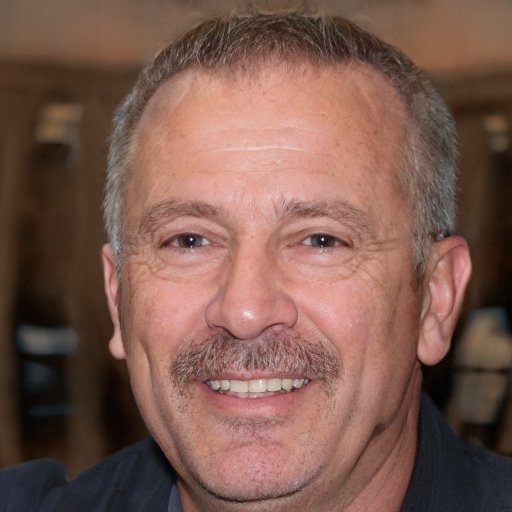
Ervin Williamson is a licensed Damage Restoration Expert with over 20 years of industry experience. Known for his technical precision and authoritative approach, Ervin has spent two decades restoring safety to homes and businesses across the country.
𝗖𝗲𝗿𝘁𝗶𝗳𝗶𝗰𝗮𝘁𝗶𝗼𝗻𝘀
His expertise is backed by comprehensive IICRC certifications, including Water Damage Restoration (WRT), Mold Remediation, Applied Structural Drying (ASD), Odor Control, and Fire and Smoke Restoration.
𝗕𝗲𝘀𝘁 𝗣𝗮𝗿𝘁 𝗼𝗳 𝘁𝗵𝗲 𝗝𝗼𝗯
Ervin finds the most fulfillment in providing peace of mind during crises. He prides himself on turning a chaotic property loss into a seamless recovery process for his clients.
𝗙𝗮𝘃𝗼𝗿𝗶𝘁𝗲 𝗣𝗮𝘀𝘁𝗶𝗺𝗲
When he isn’t on-site, Ervin enjoys restoring vintage furniture and hiking local trails with his family.