Trusted by 155+ Homeowners A
What Is The Iicrc Standard For Restoration Professionals?
- Over 156 5-Star Reviews
- Free Estimates and Quotes
- 100% Satisfaction Guaranteed
- Child, Family & Pet Safe Steps
- 24-Hour Emergency Service
- Fully Licensed & Insured
The IICRC standard for restoration professionals provides a framework for best practices in disaster recovery. It ensures technicians have the knowledge and skills to handle damage safely and effectively.
Understanding the IICRC standard helps you choose qualified professionals for your property restoration needs. This standard is vital for protecting your health and your investment.
TL;DR:
- The IICRC sets standards for professional restoration services.
- These standards ensure proper training and ethical practices.
- Adherence to IICRC guidelines means safer, more effective restoration.
- Look for IICRC certification when hiring restoration companies.
- It protects your property and your health from further damage.
What Is the IICRC Standard for Restoration Professionals?
The IICRC, or the Institute of Inspection, Cleaning and Restoration Certification, is a non-profit organization. They develop standards and provide certifications for the cleaning and restoration industry. Think of their standards as the rulebook for how professionals should handle things like water damage, fire damage, and mold remediation. It’s all about doing the job right the first time. This means using the correct techniques and equipment. It also means understanding potential hazards. The goal is to restore your property safely and efficiently.
Why Standards Matter in Restoration
When disaster strikes your home or business, you need help you can trust. Property damage can be overwhelming. You want to know that the people you hire are truly qualified. The IICRC standard ensures that technicians have received proper training. They have demonstrated their knowledge through exams. This helps prevent further damage from improper cleanup. It also addresses health concerns that can arise from contamination.
The Foundation of Best Practices
The IICRC develops consensus-based standards. These are written by experts from various fields. This includes restoration contractors, manufacturers, and insurance professionals. These standards are updated regularly to reflect new technologies and research. They cover a wide range of topics. This includes how to deal with hidden moisture inside building materials. They also address how water damage spreads indoors. Following these guidelines is a mark of a serious, professional restoration company.
Understanding Key IICRC Standards
The IICRC has several key standards that restoration professionals rely on. Each focuses on a specific type of damage. For example, the S500 standard is the go-to guide for water damage restoration. The S520 standard covers mold remediation. There’s also the S800 for standard and microbial remediation. These standards are detailed. They outline procedures for inspection, containment, cleaning, and drying. They are designed to ensure a thorough and safe restoration process.
The IICRC S500 for Water Damage
Water damage is one of the most common types of property disaster. The IICRC S500 standard for water damage is critical here. It explains how to properly assess the extent of water intrusion. This includes identifying hidden moisture inside building materials. The standard guides technicians on drying techniques. It also covers preventing secondary damage like mold growth. Understanding how water damage spreads indoors is key to a successful restoration.
Mold Remediation and IICRC S520
Mold can appear after water damage. It poses serious health risks. The IICRC S520 standard for mold remediation provides strict guidelines. It focuses on containment of mold spores. It also details safe cleaning and removal methods. This standard is essential for protecting occupants from mold exposure. Proper mold remediation is not just about aesthetics; it’s about health and safety.
Why Choose IICRC Certified Professionals?
When you are facing property damage, the choice of restoration company matters. Hiring an IICRC certified company offers significant advantages. It means you are working with professionals who have met rigorous standards. They have proven their commitment to quality and ethical practices. This certification is not just a piece of paper. It represents ongoing training and a dedication to excellence in the field.
The Benefits of Certification
IICRC certification means technicians have undergone specific training. They have passed exams to prove their knowledge. This covers everything from understanding the science of drying to proper safety protocols. It means they are equipped to handle your specific situation. They know how to avoid common pitfalls. This ensures a more effective and efficient restoration process. It gives you peace of mind that the job will be done correctly.
Peace of Mind and Quality Assurance
Choosing an IICRC certified company provides assurance. You know they are up-to-date on the latest techniques. They are committed to industry best practices. This is especially important for professional restoration after disasters. You want experts who can handle the chaos. You want them to follow established procedures. This reduces the risk of costly mistakes or incomplete work. It’s about getting the best possible outcome for your property.
Warning Signs and Professional Assessment
Sometimes, damage isn’t immediately obvious. There might be subtle warning signs homeowners should investigate. This could be a musty smell or discolored walls. IICRC certified professionals are trained to spot these signs. They have the tools and knowledge to find hidden damage. For instance, they might use specialized equipment. This helps them detect moisture that isn’t visible to the naked eye. It’s a critical step in preventing long-term problems.
Tools and Techniques Used by Certified Professionals
IICRC standards often involve using advanced tools and techniques. These are designed to ensure a thorough assessment and effective restoration. Professionals have access to equipment that goes beyond what a homeowner typically has. This equipment helps them work efficiently and safely. It’s part of what makes their service so effective.
Detecting Hidden Damage
One of the biggest challenges in restoration is finding all the damage. Water can seep into walls, floors, and ceilings. It can hide from view. Professionals use tools like moisture meters and infrared cameras. They can also use borescopes to find hidden damage. These small cameras can be inserted into small openings. They allow technicians to see inside walls and cavities. This helps ensure that no area is overlooked. Finding and addressing all the damage is key to preventing future issues.
Advanced Drying and Cleaning Methods
Once damage is identified, certified professionals use specific methods. For water damage, this involves advanced drying techniques. They use powerful air movers and dehumidifiers. These machines work to remove moisture quickly. This prevents mold growth and structural damage. For fire or smoke damage, they use specialized cleaning agents. They also employ deodorizing processes. These methods are based on IICRC guidelines. They are designed to restore your property to its pre-loss condition.
The Role of IICRC in Property Habitability
Restoring a property isn’t just about fixing what you see. It’s also about ensuring the property is safe and healthy to live in. This relates to the concept of habitability. The IICRC standards play a role in meeting these requirements. They ensure that the cleanup steps after property damage are thorough. This includes addressing potential health hazards.
Ensuring a Safe Living Environment
A property that is not properly restored can pose risks. Mold, contaminated water, or structural weaknesses can affect its habitability. IICRC standards guide professionals in performing the necessary cleanup steps after property damage. This ensures that your home or rental unit is safe for occupants. They focus on thoroughness to prevent future problems. This is about restoring not just the structure, but also the safety and health of the environment.
Documentation and Insurance Claims
Dealing with property damage often involves insurance. IICRC certified professionals understand the importance of documentation. They know what information insurance companies need. This can make the claims process smoother for you. They can provide detailed reports of the damage. They also document the work they perform. This helps support your claim and ensures you receive appropriate coverage.
Evidence for Damage Claims
Proper documentation is essential for insurance claims. IICRC-trained technicians know how to document damage effectively. They can provide photos, measurements, and detailed descriptions of the affected areas. This serves as crucial evidence needed for damage claims. Without good documentation, your claim could be delayed or denied. Professionals ensure that the process is handled correctly from the start.
Recording the Restoration Process
Beyond initial damage, documenting the restoration process is also vital. This includes noting the techniques used and the drying progress. This information is part of the documenting damage for insurance claims. It shows the steps taken to mitigate the damage and restore the property. It’s a record of the professional work performed. This helps ensure a fair settlement from your insurance provider.
Conclusion
The IICRC standard is the backbone of professional disaster restoration. It provides a clear set of guidelines for technicians. These standards ensure that work is done safely, effectively, and ethically. When you choose an IICRC certified company, you are choosing expertise. You are choosing a commitment to quality that protects your property and your well-being. For residents of New Orleans facing property damage, knowing about the IICRC standard is key. It helps you make informed decisions. New Orleans Restoration Team is proud to adhere to these industry best practices. We are dedicated to providing top-tier restoration services.
What is the main goal of IICRC standards?
The main goal of IICRC standards is to ensure that cleaning and restoration work is performed by qualified professionals. They aim to protect property owners. They also aim to protect the health and safety of occupants. The standards provide a framework for consistent, high-quality service.
Are IICRC standards legally binding?
IICRC standards are not typically legally binding in themselves. However, they are widely recognized and respected. Many insurance companies and legal professionals consider adherence to IICRC standards to be the benchmark for acceptable restoration practices. Some contracts or regulations may reference them.
How does IICRC certification benefit homeowners?
IICRC certification benefits homeowners by assuring them that the restoration company they hire has met specific training and knowledge requirements. This leads to more effective and reliable restoration services. It reduces the risk of poor workmanship or further damage. It provides greater confidence in the restoration process.
Can I find IICRC certified professionals easily?
Yes, you can often find IICRC certified professionals through the IICRC website’s “Find a Pro” tool. Many reputable restoration companies proudly display their IICRC certifications. Look for these credentials when choosing a service provider. It’s a good indicator of their commitment to quality.
What if my property damage is minor? Do I still need IICRC standards?
Even with minor damage, it’s wise to consider IICRC-certified professionals. Minor issues can sometimes hide deeper problems. For example, small leaks can lead to extensive mold growth if not addressed properly. IICRC standards cover how to identify and manage these potential secondary issues. This ensures a complete and lasting restoration.
𝗣𝗿𝗼𝗳𝗲𝘀𝘀𝗶𝗼𝗻𝗮𝗹 𝗕𝗮𝗰𝗸𝗴𝗿𝗼𝘂𝗻𝗱
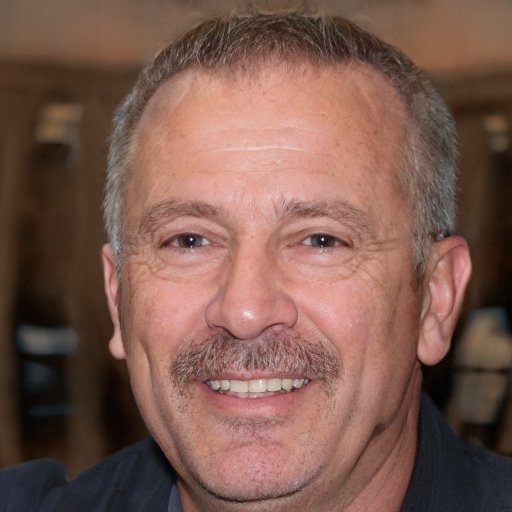
Ervin Williamson is a licensed Damage Restoration Expert with over 20 years of industry experience. Known for his technical precision and authoritative approach, Ervin has spent two decades restoring safety to homes and businesses across the country.
𝗖𝗲𝗿𝘁𝗶𝗳𝗶𝗰𝗮𝘁𝗶𝗼𝗻𝘀
His expertise is backed by comprehensive IICRC certifications, including Water Damage Restoration (WRT), Mold Remediation, Applied Structural Drying (ASD), Odor Control, and Fire and Smoke Restoration.
𝗕𝗲𝘀𝘁 𝗣𝗮𝗿𝘁 𝗼𝗳 𝘁𝗵𝗲 𝗝𝗼𝗯
Ervin finds the most fulfillment in providing peace of mind during crises. He prides himself on turning a chaotic property loss into a seamless recovery process for his clients.
𝗙𝗮𝘃𝗼𝗿𝗶𝘁𝗲 𝗣𝗮𝘀𝘁𝗶𝗺𝗲
When he isn’t on-site, Ervin enjoys restoring vintage furniture and hiking local trails with his family.