Trusted by 155+ Homeowners A
What Is The Iicrc S500 Standard For Water Damage?
- Over 156 5-Star Reviews
- Free Estimates and Quotes
- 100% Satisfaction Guaranteed
- Child, Family & Pet Safe Steps
- 24-Hour Emergency Service
- Fully Licensed & Insured
The IICRC S500 standard is a set of guidelines for water damage restoration. It outlines best practices for safely and effectively handling water-damaged properties.
Following this standard ensures thorough drying, prevents mold growth, and restores your property to pre-loss conditions.
TL;DR:
- The IICRC S500 standard is the industry benchmark for water damage restoration.
- It provides a detailed process for assessing, cleaning, and drying water-damaged areas.
- Following S500 helps prevent secondary damage like mold and structural issues.
- Certified professionals use S500 to ensure your home or business is restored safely and effectively.
- Adhering to these guidelines protects your health and property value.
What Is the IICRC S500 Standard for Water Damage?
When water invades your home, it can cause a cascade of problems. Understanding the industry’s approach to fixing it is key. The IICRC S500 standard serves as the go-to guide for water damage restoration professionals. It’s essentially the rulebook for how to do the job right. This standard was developed by the Institute of Inspection, Cleaning and Restoration Certification (IICRC). It’s based on years of research and practical experience. It ensures that restoration work is done consistently and effectively.
Why Standards Matter in Water Damage Restoration
Imagine building a house without a blueprint. Chaos, right? The S500 standard acts as that blueprint for water damage restoration. It provides a clear, step-by-step process. This prevents professionals from missing critical steps. It ensures that all aspects of the damage are addressed. Without such standards, results could vary wildly. This could lead to incomplete drying and lingering problems.
Who Develops the S500 Standard?
The IICRC is a non-profit organization. They are dedicated to establishing and promoting standards for the cleaning and restoration industry. The S500 standard is developed by a consensus of experts. This includes industry professionals, scientists, and other stakeholders. They update it regularly to reflect the latest advancements. This ensures it remains relevant and effective.
Key Principles of the IICRC S500 Standard
The S500 standard is built on several core principles. These guide every step of the restoration process. Understanding these can help you appreciate the work involved. It shows why hiring certified pros makes a difference.
Safety First
The foremost principle is always safety. Water damage can create hazards. These include electrical risks and potential exposure to contaminants. The S500 standard emphasizes identifying and mitigating these risks. Professionals must ensure the safety of occupants and themselves. This is a critical first step in any water damage situation.
Containment and Assessment
Before any cleaning or drying begins, a thorough assessment is vital. Professionals need to determine the source of the water. They also need to identify the extent of the damage. This includes looking for hidden moisture inside building materials. Containment strategies are also crucial. This prevents water and contaminants from spreading further.
Water Classification and Category
The S500 standard categorizes water damage into different types. This is based on the water’s contamination level. Category 1 is clean water. Category 2 is gray water, which has some contaminants. Category 3 is black water, which is highly contaminated and unsanitary. This classification dictates the cleaning and sanitization methods used. It directly impacts the health risks associated with the damage.
Drying Procedures
This is where the real work of restoration happens. The S500 standard provides detailed guidelines for drying. It covers everything from moisture detection to the use of specialized equipment. The goal is to return all affected materials to their pre-loss moisture content. This is known as achieving the proper structural drying after leaks. It’s a science, not just guesswork.
Mold Prevention
Mold can start to grow in as little as 24-48 hours after water damage. The S500 standard incorporates strategies to prevent mold growth. This includes rapid drying and proper ventilation. It also involves addressing potential sources of mold food, like wet drywall or insulation. Preventing mold is key to a healthy indoor environment.
The Restoration Process According to S500
When a water emergency strikes, the S500 standard guides professionals through a systematic process. This ensures nothing is overlooked. It’s a detailed roadmap to recovery.
Step 1: Emergency Response and Inspection
The first action is always to stop the water flow. Then, a thorough inspection begins. This involves using advanced tools to detect moisture. Professionals look for early warning signs of moisture that might not be visible. They assess the scope of the damage and the water category.
Step 2: Water Extraction
Once the source is stopped and the area assessed, water extraction begins. Powerful pumps and vacuums are used. The goal is to remove as much standing water as possible. This is crucial to minimize damage and speed up the drying process.
Step 3: Drying and Dehumidification
This is a critical phase. Specialized equipment like air movers and dehumidifiers are deployed. These machines work together to remove moisture from the air and materials. Professionals monitor humidity levels and material moisture content closely. They aim for a dry standard that ensures long-term stability.
Step 4: Cleaning and Sanitization
After drying, affected surfaces are cleaned. Depending on the water category, sanitization may be necessary. This removes contaminants and prevents microbial growth. Odor control is also addressed during this stage.
Step 5: Restoration and Rebuilding
Finally, any damaged materials that cannot be restored are replaced. This might include drywall, flooring, or insulation. The goal is to return the property to its original condition, or even better.
Why Hiring IICRC Certified Professionals is Important
You might be wondering why this all matters to you. When water damages your property, you want it fixed correctly the first time. This is where IICRC certification comes in. Professionals who are IICRC certified have proven they understand and follow standards like S500.
Expertise and Training
IICRC certification for water damage pros means they have received specialized training. They understand the science behind water damage. They know the best methods for dealing with different types of water and materials. This expertise is invaluable.
Preventing Secondary Damage
Improper drying can lead to serious secondary problems. These include mold growth, structural weakening, and compromised indoor air quality. Certified professionals trained in the S500 standard know how to prevent these issues. They focus on preventing hidden property damage that can surface later.
Insurance and Trust
Many insurance companies prefer or even require that restoration work be done by IICRC certified companies. This is because they trust the quality and thoroughness of the work performed. It gives you peace of mind knowing the job is being handled by experts.
Common Mistakes to Avoid After Water Damage
When water intrudes, it’s easy to panic. However, there are common mistakes that can worsen the situation. Knowing these can help you make better decisions.
- Trying to dry everything with household fans alone.
- Delaying professional help, allowing damage to spread.
- Not addressing the source of the leak properly.
- Ignoring potential mold growth or health concerns.
- Not documenting the damage for insurance purposes.
These mistakes can lead to more extensive repairs and higher costs down the line. It’s always better to call a professional right away.
The Role of S500 in Different Water Damage Scenarios
The S500 standard is adaptable. It applies to various water damage situations, from minor leaks to major floods. Understanding how it applies can be helpful.
Minor Leaks vs. Major Floods
Even a small leak from a pipe can lead to significant damage. Water can seep into walls and under floors. The S500 standard provides guidelines for assessing and drying these situations. For larger floods, the standard outlines procedures for managing contamination and large-scale drying efforts. It addresses how water damage spreads indoors effectively.
Differentiating Water Sources
The standard is crucial for differentiating between types of water. For instance, water from a burst pipe is different from sewage backup. The cleaning and disinfection protocols vary significantly. This ensures that the right measures are taken to protect your health and property. It also explains why grout lets water through after water damage in some cases.
When to Call for Professional Water Damage Restoration
If you discover any signs of water damage, it’s time to act. Don’t wait to get help. Even small amounts of water can cause problems over time. Look out for what are the first signs of water damage at home. These include water stains, musty odors, or peeling paint.
The Importance of Acting Quickly
The faster you address water damage, the less severe the consequences. Prompt action can save your belongings and prevent costly repairs. It also minimizes the risk of health issues. It’s always best to act before it gets worse.
Getting Expert Advice Today
When in doubt, always seek expert advice. Restoration professionals can provide a thorough assessment. They can explain the best course of action. They have the tools and knowledge to handle the situation effectively. This is your chance to get expert advice today.
Conclusion
The IICRC S500 standard is the backbone of professional water damage restoration. It ensures that when disaster strikes, your property is handled with expertise and care. By following these guidelines, restoration professionals can effectively mitigate damage, prevent secondary issues like mold, and return your home or business to a safe and healthy state. For residents in the New Orleans area facing water damage, the New Orleans Restoration Team is a trusted resource committed to adhering to these high industry standards. We understand the urgency and stress that water damage brings and are dedicated to providing thorough and effective restoration services.
What is the main goal of the IICRC S500 standard?
The main goal of the IICRC S500 standard is to provide a framework for professionals to properly and safely restore properties affected by water damage. It aims to minimize damage, prevent secondary problems like mold, and ensure the health and safety of occupants.
How does the S500 standard help prevent mold?
The S500 standard helps prevent mold by emphasizing rapid water extraction and thorough drying of all affected materials. It also guides professionals on identifying and addressing potential moisture sources that mold needs to thrive, along with proper cleaning and sanitization techniques.
What is the difference between Category 1, 2, and 3 water?
Category 1 water is clean and poses no health risk. Category 2 (gray water) contains contaminants and carries some health risk. Category 3 (black water) is highly contaminated and poses serious health risks. The S500 standard dictates different procedures for each category.
Can I do water damage restoration myself if I follow the S500 standard?
While understanding the S500 standard is beneficial, performing water damage restoration yourself is generally not recommended, especially for significant damage. The standard requires specialized equipment, training, and knowledge to implement effectively and safely. Professional restoration services ensure proper structural drying after leaks and prevent hidden moisture.
How long does the S500 drying process typically take?
The drying time can vary greatly depending on the extent of the water damage, the types of materials affected, and environmental conditions. The S500 standard guides professionals to monitor drying progress closely and continue until the materials reach their appropriate dry standard, ensuring a complete job.
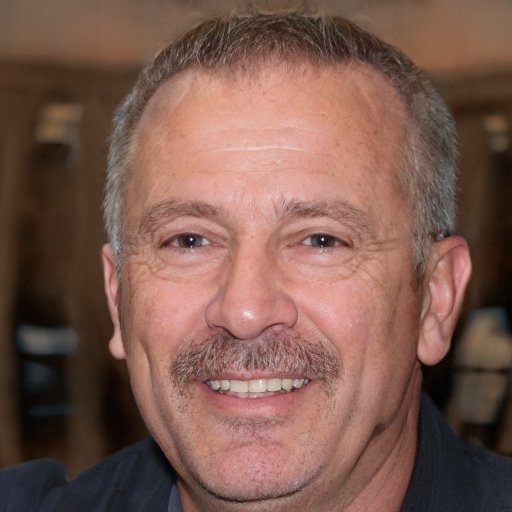
𝗣𝗿𝗼𝗳𝗲𝘀𝘀𝗶𝗼𝗻𝗮𝗹 𝗕𝗮𝗰𝗸𝗴𝗿𝗼𝘂𝗻𝗱
Ervin Williamson is a licensed Damage Restoration Expert with over 20 years of industry experience. Known for his technical precision and authoritative approach, Ervin has spent two decades restoring safety to homes and businesses across the country.
𝗖𝗲𝗿𝘁𝗶𝗳𝗶𝗰𝗮𝘁𝗶𝗼𝗻𝘀
His expertise is backed by comprehensive IICRC certifications, including Water Damage Restoration (WRT), Mold Remediation, Applied Structural Drying (ASD), Odor Control, and Fire and Smoke Restoration.
𝗕𝗲𝘀𝘁 𝗣𝗮𝗿𝘁 𝗼𝗳 𝘁𝗵𝗲 𝗝𝗼𝗯
Ervin finds the most fulfillment in providing peace of mind during crises. He prides himself on turning a chaotic property loss into a seamless recovery process for his clients.
𝗙𝗮𝘃𝗼𝗿𝗶𝘁𝗲 𝗣𝗮𝘀𝘁𝗶𝗺𝗲
When he isn’t on-site, Ervin enjoys restoring vintage furniture and hiking local trails with his family.