Grand Isle, LA · Jefferson Parish
AC Unit Water Removal in Grand Isle, LAAir Conditioner Restoration Services & AC Condensate Drain Clearing
AC Unit Water Removal in Grand Isle handles AC drain pan water extraction, AC leak water cleanup and AC leak mold prevention before the water spreads.
Answered 24/7
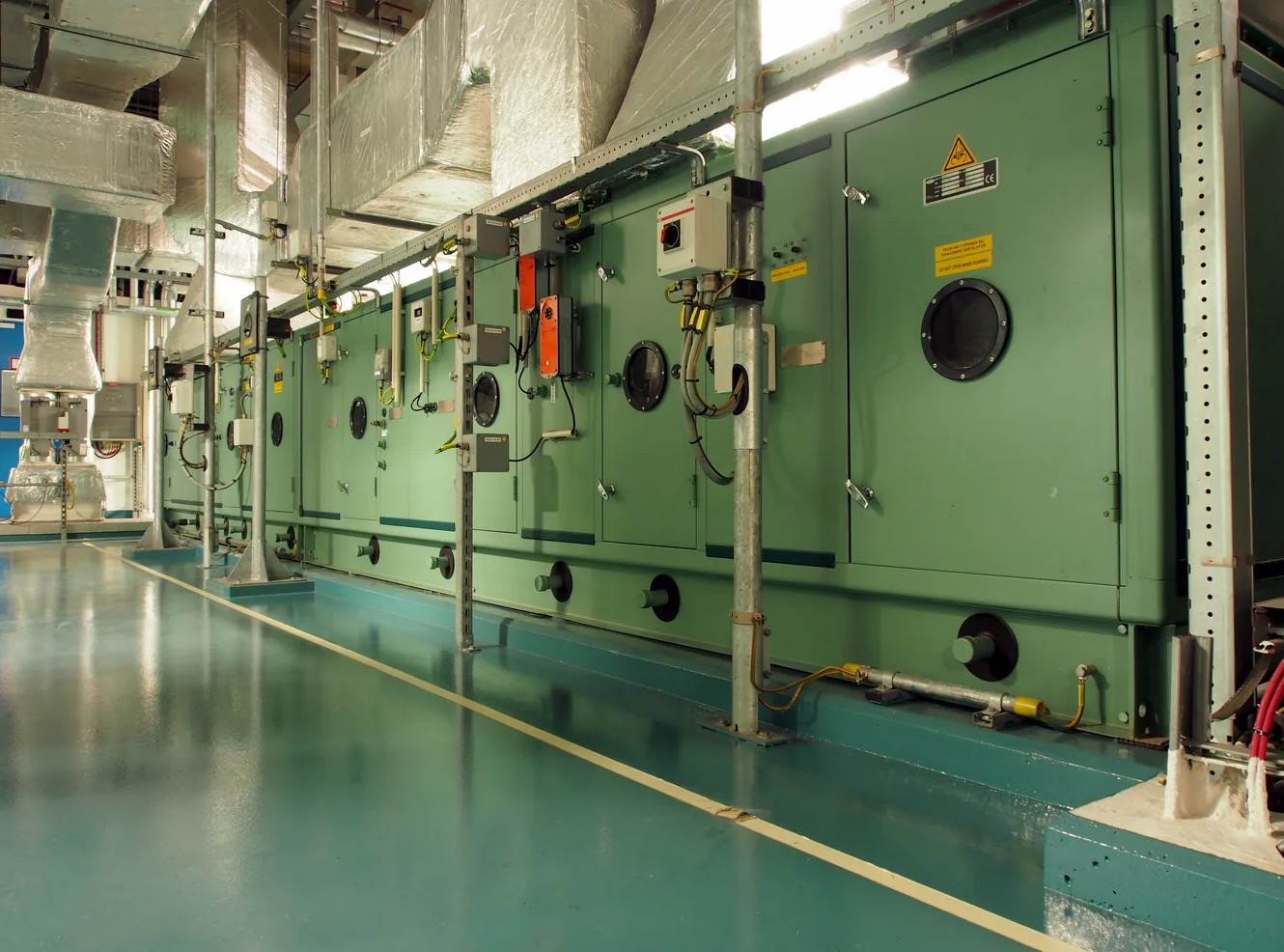
Expert AC Unit Water Removal for Grand Isle Homes
AC Unit Water Removal in Grand Isle deals with leaks from air handlers, condensate lines and drain pans. Acting early keeps a minor drip from soaking the insulation, the wall framing and the ceiling directly below the unit.
Property owners in Grand Isle can call (504) 608-0810 day or night when an air handler starts leaking. Service also covers Golden Meadow and Galliano, with the same extraction, drain clearing and drying process for attic, closet and garage units in houses, condos and apartments.
The AC Unit Water Removal Process in Grand Isle, LA
Air Conditioner Restoration Services
After drying, damaged drywall, trim or ceiling panels near the unit can be replaced and repainted.
AC Condensate Drain Clearing
Clearing the line stops the overflow at its source. Without it, the pan refills and the leak returns within days.
AC Leak Water Cleanup
Water from an overflowing air handler is extracted from the floor, closet or mechanical room, then nearby walls are checked with a moisture meter.
Wet AC Unit Component Drying
Air movers and a dehumidifier are set around the unit, and moisture readings are taken until the metal and insulation test dry.
AC Drain Pan Water Extraction
Water sitting in a full or cracked drain pan is removed before it spills over into the ceiling or walls below.
Signs of AC Water Damage Requiring Removal
Reduced Cooling Efficiency
A clogged drain can trip a float switch or starve the coil of airflow, so the system runs longer and cools less.
Unusual AC System Noises
Gurgling or dripping sounds from the unit can mean water is backing up in the drain line.
Wet AC Unit Components
Damp coils, a wet blower compartment or moisture around wiring inside the cabinet mean water is collecting where it should not.
Water on the Floor
A puddle around the air handler or furnace closet is the most direct sign of a leak.
How AC Unit Water Removal Works in Grand Isle
Step 1: AC Unit Flood Cleanup
Water is extracted to help limit further soaking of insulation, framing and the ceiling below.
Step 2: Drain Line Diagnosis and Clearing
The drain line is inspected for clogs, sags or loose fittings and cleared so water drains outside.
Step 3: Structural and Unit Drying
Air movers and dehumidifiers run around the unit, with daily moisture checks on walls and floors.
Step 4: System Check and Cleanup
The pan is cleaned, the drain is tested with water and the area is left dry.
Common Causes of AC Water Damage in Grand Isle
Improper AC Unit Installation
A unit that is not level, or a drain line without enough slope, lets water pool instead of draining.
Excess Outdoor Humidity
Very humid air makes the coil produce more water than a partly clogged drain can carry.
Disconnected Drain Line
A drain line knocked loose in the attic or closet empties condensate onto the ceiling or floor.
Clogged AC Condensation Line
Algae and sludge build up in the drain line over a cooling season until water backs up into the pan.
Expert AC Unit Water Removal for Any Property in Grand Isle
Residential AC Unit Water Removal
In a home, an AC leak usually hits a hallway ceiling, a closet floor or the carpet near the air handler. Water removal and drying start there, followed by drywall repair if needed.
Commercial AC Unit Water Removal
In offices and stores, a leaking rooftop or ceiling unit drips onto desks, stock and floors and creates slip hazards. Work can be scheduled around business hours where possible.
The Risks of DIY AC Unit Water Removal in Grand Isle
Box fans move air across a wet surface, but they often leave water trapped in wall cavities and under flooring. Professional drying uses moisture readings to confirm the hidden areas behind walls and under floors are dry too.
Factors Influencing AC Unit Water Removal Cost in Grand Isle
An attic unit that leaked all night costs more to fix than a closet leak caught the same day. In Grand Isle, calling early is the simplest way to keep the bill down.
Leak Source and Severity
A slow drip near the closet costs less to fix than an attic overflow that soaked a ceiling and the room below.
Documentation Needs
Detailed photos and moisture logs for an insurance claim add some time to the job.
Secondary Damage Presence
Wet ceilings, swollen baseboards or damp framing add removal and repair work to the job.
Does Insurance Cover AC Unit Water Removal?
Coverage for AC unit water removal varies from policy to policy. The pros document the damage and the drying, but your insurer decides what is covered and what is not, so ask early in the claim.
Reasons to Select Local Pros in Grand Isle for AC Unit Water Removal
Industry Drying Standards
Drying follows industry water damage standards, with moisture readings at each visit.
Preventative Microbial Treatment
Optional antimicrobial treatment can be applied to wood and drywall that stayed wet for days.
Leak Source Identification
The pros trace the leak to its source, whether that is a clog, a cracked pan or a failed pump.
Emergency AC Unit Water Removal Available 24/7 in Grand Isle
Every hour of standing water means more drying later and more materials to replace. Call (504) 608-0810 for AC unit water removal in Grand Isle as soon as you see the leak.
Call Now (504) 608-0810AC Unit Water Removal Throughout Grand Isle and Beyond
Other places served are listed below, each with its own page.
- AC Unit Water Removal in Golden Meadow
- AC Unit Water Removal in Galliano
- AC Unit Water Removal in Port Sulphur
- AC Unit Water Removal in Empire
- AC Unit Water Removal in Cut Off
- AC Unit Water Removal in Buras
- AC Unit Water Removal in Larose
- AC Unit Water Removal in Braithwaite
- Emergency Damage Restoration in 70358
- Storm Damage Restoration in 70358
- Water Damage Restoration in 70358
- Water Extraction Service in 70358
- Water Leak Detection in 70358
- Water Removal Service in 70358
Your AC Unit Water Removal Questions Addressed
Why document AC water damage?
Photos and moisture readings show what got wet and how it was dried, which helps your insurance claim.
What is involved in AC unit water removal?
Standing water is extracted, the condensate line is cleared, and wet materials are dried with air movers and dehumidifiers until moisture readings are normal.
What are signs I need water removed from around my air conditioner?
Puddles near the unit, ceiling stains, a musty smell, a full drain pan or an AC that shuts off on its own.
What equipment is used to dry AC leak damage?
Extractors, air movers, dehumidifiers and moisture meters, plus wet vacs or pumps for the drain line.
What happens during AC water extraction?
Pumps and extractors remove water from the pan, floor and carpet, then moisture meters check walls and subfloor for hidden water.