Reserve, LA · St. John the Baptist Parish
Desiccant Dehumidification in Reserve, LAFlood Drying Services & Construction Drying Services
Desiccant Dehumidification in Reserve runs from emergency dehumidification and flood drying services to firefighting water drying.
Answered 24/7
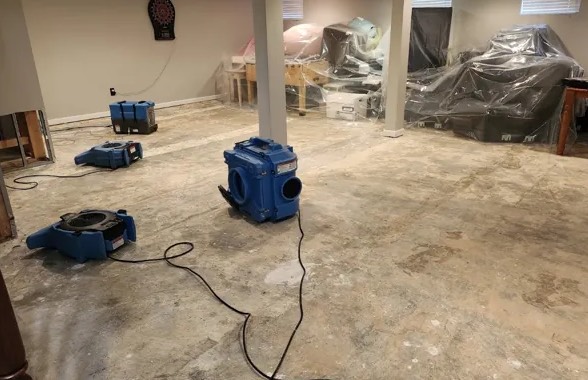
Desiccant Dehumidification: Moisture Control in Reserve
Desiccant Dehumidification in Reserve is not needed for every job. Small leaks in warm rooms often dry well with standard dehumidifiers. Cool spaces, large buildings and dense materials are where desiccant units help most.
A flood in a large Reserve building can need high-capacity drying. Local desiccant dehumidification experts serve Reserve and nearby Edgard, Garyville and LaPlace, with help available around the clock.
Desiccant Dehumidification Options Available in Reserve
Flood Drying Services
Floodwater is treated as contaminated, so soaked porous materials are removed and surfaces cleaned before drying starts.
Construction Drying Services
New construction can trap moisture in concrete, drywall mud and framing. Desiccant units help dry the building before finishes go in.
Mold Prevention Drying
In contained work areas, desiccant dehumidifiers keep the air dry while damaged materials are removed and framing is cleaned.
Firefighting Water Drying
Drying after a fire is done once wet debris is removed, so the structure dries cleanly before rebuilding.
Crawl Space Drying
Water is removed from the crawl space first, then desiccant drying brings humidity down so the framing can dry.
Warning Signs You Need Desiccant Dehumidification in Reserve
Visible Condensation on Windows
Windows that fog or drip inside show the air holds too much moisture for materials to dry.
Recent Water Damage Event
Any recent leak or flood that soaked drywall, flooring or framing needs drying beyond a household unit.
Spongy Drywall or Soft Spots
Drywall that feels soft or spongy has absorbed water and may need removal if it does not dry.
Strong Damp Odor in Rooms
A damp smell that stays in a room after cleanup means materials there are still holding moisture.
How Desiccant Dehumidification Works in Reserve
Step 1: Emergency Moisture Evaluation
The wet area is mapped and the right size and type of dehumidifier is chosen.
Step 2: High-Capacity Setup
Large desiccant units are placed for big spaces or cool areas where standard units struggle.
Step 3: Active Drying Cycle
Dry air is moved across wet materials, with daily readings to track progress.
Step 4: Completion and Insurance Records
Final readings and daily drying logs are compiled into a record for your insurer.
Common Causes for Desiccant Dehumidification in Reserve
Plumbing Leaks or Pipe Bursts
Burst pipes and leaking supply lines soak walls and floors that then need drying.
Fire Suppression System Activation
Fire sprinklers and firefighting water soak large areas of a building at once.
Roof Leaks From Damaged Shingles
Roof leaks from damaged shingles soak attic insulation, roof decking and the ceilings below.
HVAC System Condensation Issues
Clogged AC drain lines overflow into attics, closets and the ceilings below them.
Desiccant Dehumidification for Homes & Businesses in Reserve
Residential Desiccant Dehumidification
Families can usually stay home during drying, though equipment makes steady noise and some areas may be closed off.
Commercial Desiccant Dehumidification
Builders and contractors use desiccant drying to get slabs and drywall ready for flooring and paint on schedule.
The Limits of DIY Desiccant Dehumidification in Reserve
Rented desiccant units need correct setup and ducting to work well. If you are unsure how to place them or when materials are dry, call (504) 608-0810.
Understanding Desiccant Dehumidification Expenses in Reserve
Flood cleanup, crawl space access, material removal and after-hours setup all add to the total for desiccant dehumidification in Reserve.
Moisture Saturation Level
Materials that are fully soaked take longer to dry than lightly damp ones.
Additional Restoration Steps
Extraction, material removal and cleaning before drying are separate steps that add to the total.
Access and Complexity
Crawl spaces, tight areas and large buildings take more effort to set up and monitor.
Does Insurance Cover Desiccant Dehumidification?
Photograph wet areas before drying begins and keep receipts for emergency extraction, drying equipment and any hotel stay during the work.
Selecting Local Pros for Desiccant Dehumidification in Reserve, Louisiana
Industry Drying Standards
Drying follows industry water damage standards, with readings taken at every visit.
Detailed Moisture Documentation
Daily humidity and moisture readings are logged to show progress and support insurance claims.
Large Projects
Large buildings and job sites get drying plans that keep work and business moving.
24/7 Emergency Desiccant Dehumidification in Reserve
Water damage that needs fast drying in Reserve? Call (504) 608-0810 to get dehumidifiers and air movers in place. Help is available 24/7.
Call Now (504) 608-0810Desiccant Dehumidification Service Area Including Reserve
Help with desiccant dehumidification is also available in communities near Reserve, including Edgard, Garyville and LaPlace, for floods, crawl spaces and commercial buildings.
- Desiccant Dehumidification in Edgard
- Desiccant Dehumidification in Garyville
- Desiccant Dehumidification in LaPlace
- Desiccant Dehumidification in Montz
- Desiccant Dehumidification in Gramercy
- Desiccant Dehumidification in Norco
- Desiccant Dehumidification in Lutcher
- Desiccant Dehumidification in Hahnville
- Emergency Damage Restoration in 70084
- Storm Damage Restoration in 70084
- Water Damage Restoration in 70084
- Water Extraction Service in 70084
- Water Leak Detection in 70084
- Water Removal Service in 70084
Desiccant Dehumidification FAQs
How does a desiccant dehumidifier work differently?
It passes air over a material that absorbs moisture instead of cooling the air, so it keeps working in cool conditions.
Can desiccant dehumidification help prevent mold?
Yes. Lowering humidity and drying materials quickly is one of the main ways to keep mold from starting.
How is emergency dehumidification different from standard service?
It starts right after a leak or flood, any time of day, so materials do not keep soaking up moisture.
What happens after desiccant dehumidification is complete?
Final readings are recorded, equipment is removed and the space is ready for repairs or finishes.
Can desiccant dehumidification dry behind walls?
Dry air helps, especially when directed into wall cavities through small openings, with readings to confirm results.