Reserve, LA · St. John the Baptist Parish
Thermal Imaging Leak Detection in Reserve, LASlab Leak Thermal Detection & Roof Leak Moisture Mapping
In Reserve, Thermal Imaging Leak Detection covers hidden water leak detection, roof leak moisture mapping, and plumbing leak infrared inspection.
Answered 24/7
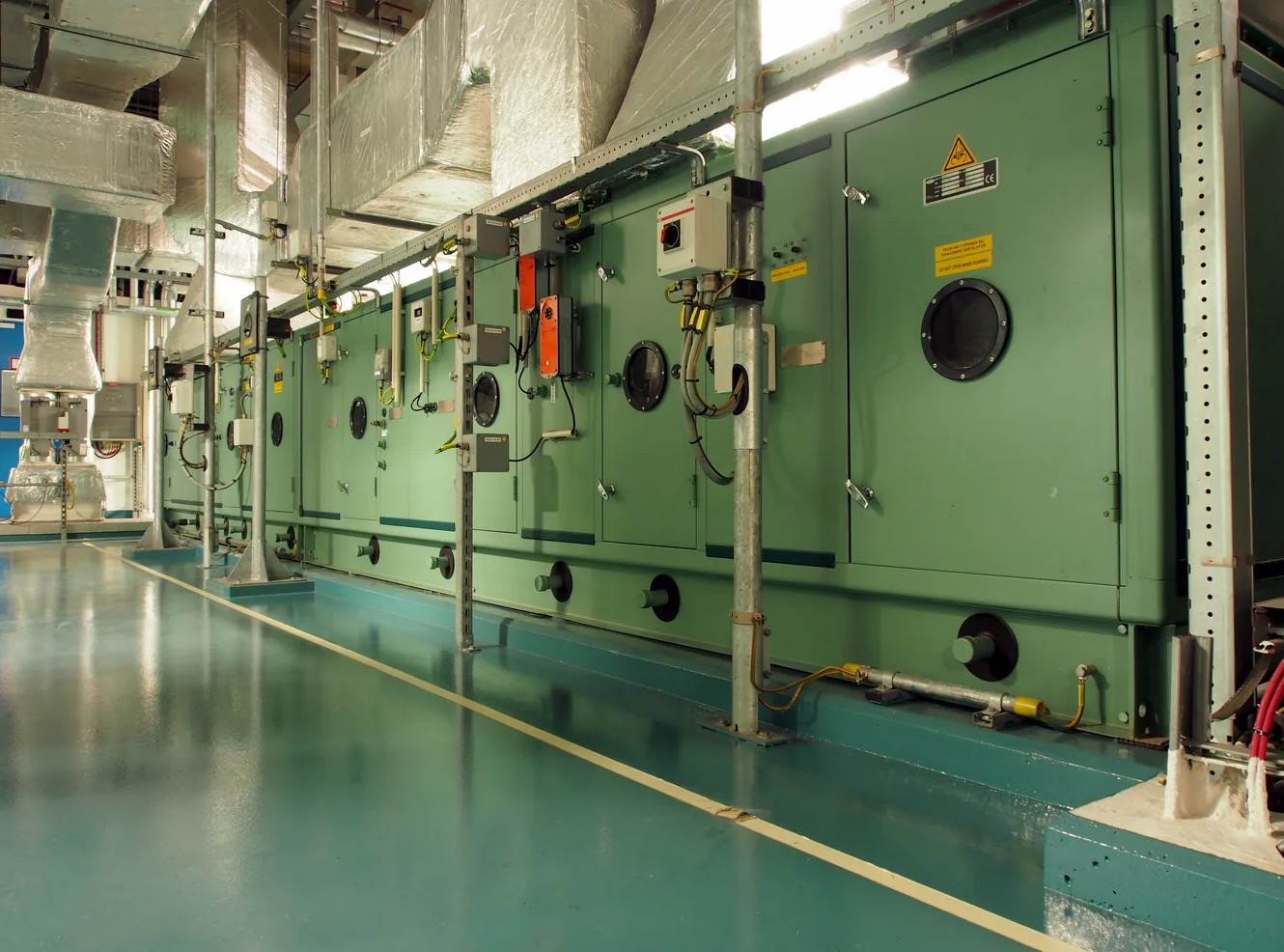
Thermal Imaging Leak Detection: Find Hidden Leaks in Reserve
Thermal imaging finds hidden moisture, including roof leaks, without damaging finishes, so you avoid exploratory demolition and unneeded repairs.
Thermal imaging leak detection is a valuable service for properties in Reserve and nearby areas like Edgard, Garyville and LaPlace. Using infrared technology, local moisture mapping experts can identify hidden moisture from roof leaks or plumbing issues without invasive probing.
The Thermal Imaging Leak Detection Process in Reserve
Slab Leak Thermal Detection
Suspected slab leaks demand precise location. Thermal detection creates a thermal image of the floor, highlighting areas affected by subsurface moisture.
Roof Leak Moisture Mapping
Pinpointing a roof leak's interior impact is hard. Thermal imaging allows non-destructive investigation, scanning attics quickly to produce a thermal map.
Post-Repair Leak Verification
Verifying a repair's success prevents callbacks. Leak detection pros re-scan with thermal cameras to compare thermal patterns after the fix.
Moisture Intrusion Pathway Analysis
Thermal patterns can show a water intrusion's direction and identify secondary wet areas. This ensures the entire moisture pathway is treated, not just the most obvious damage spot.
Wall Ceiling Moisture Scans
Thermal imaging turns hidden wall moisture into a visible map. The camera detects where materials are cooler due to water content, letting pros distinguish between a small leak and widespread saturation.
When to Schedule Thermal Imaging Leak Detection in Reserve
Reduced Water Pressure in Fixtures
A sudden drop in water pressure at taps can indicate a leak in the plumbing system.
Warping or Bubbling Floorboards
Wood floors that buckle or bubble usually have moisture trapped underneath them.
Unexplained Spikes in Water Bills
Your water bill suddenly jumps without a clear reason, pointing to a hidden water leak that thermal imaging can find.
Damp or Stained Drywall Sections
Wet spots or discoloration on walls are classic signs of a hidden water leak behind the surface.
How Thermal Imaging Leak Detection Works in Reserve
Step 1: Scheduling the Thermal Imaging Inspection
Contact the specialists to schedule a scan. Say if the leak is active, so urgent leaks can be scheduled first when possible.
Step 2: On-Site Thermal Camera Deployment
On site, the thermal camera leak finder is used to scan large areas quickly, identifying cool, wet spots invisible to the eye.
Step 3: Moisture Intrusion Pathway Analysis
The pros analyze how water is moving, performing moisture intrusion pathway analysis to understand the full scope of the problem.
Step 4: Clear Communication of Next Steps
You receive a straightforward explanation of the leak's location and the recommended next steps for repair, based on the thermal evidence.
Typical Origins of Leaks Detected in Reserve
Corroded or Failing Plumbing Pipes
Aged or corroded pipes develop pinhole leaks that slowly release water into walls, floors, or slabs.
Roof Damage From Weather or Debris
Missing shingles or damaged flashing let water in, and a thermal scan can trace its path through the ceiling.
HVAC Condensate Drain Line Leaks
Clogged or cracked condensate lines from air conditioners can leak water inside walls or ceiling cavities.
Clogged or Damaged Gutters and Downspouts
Blocked gutters cause water to overflow and pool against a home's exterior, promoting moisture intrusion pathway analysis.
Local Thermal Imaging Leak Detection for Every Property Type in Reserve
Residential Thermal Imaging Leak Detection
For homes on concrete slabs, thermal cameras can help locate leaks under the floor without digging. The specialists map where the warm or cool spot is.
Commercial Thermal Imaging Leak Detection
For commercial buildings, slab leak thermal detection identifies leaks in warehouse floors or underground parking garages. This allows for targeted repairs that avoid costly, widespread concrete removal and extended facility downtime.
Comparing DIY Efforts to Thermal Imaging Leak Detection in Reserve
Monitor your water meter for unexplained movement when all water is off, which can indicate a leak. You can also feel for damp spots on floors or walls. Listen for running water sounds in walls.
What Affects Thermal Imaging Leak Detection Service Cost in Reserve
In Reserve, roof scans cost more on steep or large roofs and when a detailed report is needed.
Access Challenges
Difficult roof access or confined spaces for plumbing leak infrared inspection can extend the duration of the on-site service.
Scan Documentation
Detailed reporting for insurance, including moisture mapping visuals and pathway analysis, adds to the project time for the pros.
Property Size
Larger homes in Reserve require more thermal imaging scans and time for thorough hidden water leak detection across all potential moisture intrusion points.
Does Insurance Cover Thermal Imaging Leak Detection?
For slab leak thermal detection, a property owner should confirm coverage with their insurer first. The local pros document the leak's location and extent using industry-standard methods for the claim file.
The Value of Professional Thermal Imaging Leak Detection in Reserve
Prevents Guesswork
Eliminates unnecessary exploratory demolition by accurately locating leaks behind walls, under slabs, or in ceilings.
Objective Documentation
Thermal imaging provides visual and data-based evidence of moisture, useful for repair planning and insurance claim support.
IICRC-Standard Methods
Scans are done the same way each time and recorded, so results can be compared after repairs.
Emergency Response for Leaks in Reserve
Water coming through the ceiling after a storm or a pipe failure? Call (504) 608-0810 24/7 for a thermal imaging inspection to trace it.
Call Now (504) 608-0810Regional Thermal Imaging Leak Detection Around Reserve
Water damage inspection using thermal imaging technology is available throughout Reserve and neighboring places including Edgard, Garyville and LaPlace for accurate hidden moisture location.
- Thermal Imaging Leak Detection in Edgard
- Thermal Imaging Leak Detection in Garyville
- Thermal Imaging Leak Detection in LaPlace
- Thermal Imaging Leak Detection in Montz
- Thermal Imaging Leak Detection in Gramercy
- Thermal Imaging Leak Detection in Norco
- Thermal Imaging Leak Detection in Lutcher
- Thermal Imaging Leak Detection in Hahnville
- Emergency Damage Restoration in 70084
- Storm Damage Restoration in 70084
- Water Damage Restoration in 70084
- Water Extraction Service in 70084
- Water Leak Detection in 70084
- Water Removal Service in 70084
Thermal Imaging Leak Detection FAQs
What is thermal imaging leak detection?
It is a non-invasive method using infrared cameras to detect temperature differences caused by hidden moisture, accurately locating water leaks behind walls or under floors.
Can thermal imaging verify a leak is fixed?
Yes, post-repair leak verification involves a follow-up thermal scan to confirm the previously wet area has dried and no new moisture intrusion is present.
Why choose non-invasive leak detection methods?
It prevents unnecessary demolition and repair costs by accurately targeting the leak area, saving time and preserving undamaged portions of your walls and floors.
What areas can wall and ceiling moisture scans assess?
Thermal imaging can detect moisture behind drywall, plaster, paneling, and within ceiling cavities, revealing leaks from plumbing, roofs, or condensation issues.
How does infrared leak detection find hidden leaks?
A thermal camera senses cooler surface temperatures where evaporation occurs from wet materials, creating a visual map that pinpoints moisture without physical intrusion.