Livingston, LA · Livingston Parish
Groundwater Seepage Removal in Livingston, LAGroundwater Seepage Removal & Slab Seepage Cleanup
Groundwater Seepage Removal in Livingston covers slab leak water cleanup, groundwater damage restoration and emergency water seepage extraction.
Answered 24/7
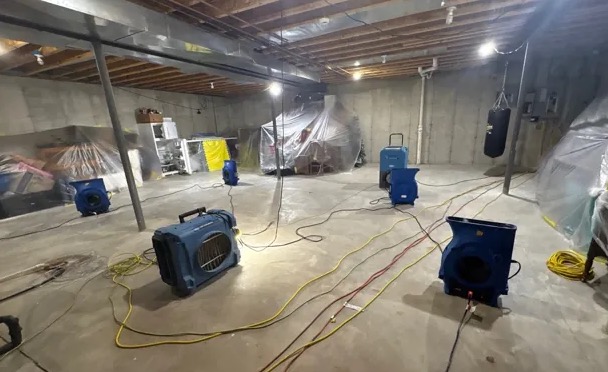
Local Groundwater Seepage Removal for Homes in Livingston
In Livingston, groundwater seepage quietly ruins insulation, flooring and personal belongings. Local water removal pros stop the intrusion where possible, extract standing water and dry the area until moisture readings are back to normal.
In Livingston, groundwater seepage comes from water in the soil around the foundation. Local restoration pros remove the water and dry the structure, and also work in nearby Albany, Springfield and Port Vincent.
The Groundwater Seepage Removal Process in Livingston
Groundwater Seepage Removal
Water that seeps up from the ground spreads slowly but steadily. Pumps and extractors remove it, and drying starts on the slab and the lower walls.
Slab Seepage Cleanup
When water seeps through a slab, carpet pads and laminate soak it up long before the problem is obvious.
Emergency Water Seepage Extraction
The focus is on fast deployment of extraction equipment to remove the water and start stabilizing the environment in your property.
Foundation Water Extraction
The pros conduct foundation water extraction to pull moisture from around and beneath a home's concrete foundation.
Slab Leak Water Cleanup
The pros in Livingston extract water that comes up around a slab so it does not wick into flooring, giving the plumber a drier area to work.
Indicators of Groundwater Damage in Livingston
Musty Odors in Lower Levels
A lingering earthy or musty smell often means groundwater is getting in somewhere and materials are staying damp.
Mold on Baseboards
Mold starting at floor level often traces back to seepage through the slab or wall joint.
Wet or Soggy Carpeting
Carpet that stays damp or develops stains can mean moisture is coming up through the slab.
Peeling Paint or Wallpaper
Paint or finish blistering off walls in lower levels means moisture is pushing through from behind.
How Groundwater Seepage Removal Works in Livingston
Step 1: Initial Groundwater Intrusion Evaluation
An inspection shows how much water came in and which areas are wet.
Step 2: Subsurface Water Extraction
Specialized equipment extracts standing water from beneath slabs and within crawl spaces. Getting the bulk water out first speeds up drying.
Step 3: Comprehensive Moisture Control
Dehumidifiers and air movers dry the trapped moisture from walls, floors and framing.
Step 4: Area Restoration and Verification
Moisture readings confirm the area is dry, and photos and reports are ready for your insurer.
Leading Causes of Foundation Seepage in Livingston
Leaking Underground Water Lines
Breaks in buried supply or drain pipes can saturate the soil around a foundation and push water under the slab.
Plumbing Drain Line Leaks
Cracks in sewer or drain tiles under the slab can release water that rises into the floor above.
Improperly Sealed Window Wells
Window wells that collect water and lack proper drainage invite direct flooding.
Capillary Action Through Concrete
Concrete's porous nature can wick moisture upward from the soil, a process.
Groundwater Seepage Removal for All Properties in Livingston
Residential Groundwater Seepage Removal
Residential crawl space water removal stops mold and wood rot. Photos and moisture data are taken for your records and insurance needs.
Commercial Groundwater Seepage Removal
Groundwater seepage removal for retail or office spaces ensures safety. Documentation for insurance is thorough; always confirm specifics with your provider.
Professional Groundwater Seepage Removal or DIY in Livingston
Inspecting your crawl space access door for visible water pooling or vapor barrier damage is a safe DIY check. Wear protective gear if you choose to look.
Investing in Groundwater Seepage Removal for Livingston Properties
The cost of groundwater seepage removal in Livingston depends mostly on how large the wet area is and how deeply the water soaked into the materials.
Required Drying Time
Deeply soaked concrete or closed crawl spaces take longer to dry, which adds equipment days and visits.
Water Contamination Level
Clean groundwater takes less work than water that carried soil or other dirt in with it.
Extent of Saturation
The size of the wet area and how deep the water went into concrete and wood set the scope of the job.
Does Insurance Cover Groundwater Seepage Removal?
Coverage is unlikely when water came from the soil outside the foundation, since most policies treat that differently from an inside leak. The pros record the damage and the work, and your insurer decides.
The Value of Local Pros for Groundwater Seepage Removal in Livingston
Controlled Humidity Management
Industrial dehumidifiers keep the air dry enough to draw moisture out of concrete, wood and drywall.
Sequenced Restoration Approach
Work follows a set order: extraction, drying, cleaning and a final check of the readings.
Structural Drying Focus
Drying covers the structure itself, including concrete and wood framing, not just the surface.
Round-the-Clock Groundwater Seepage Removal in Livingston, LA
Groundwater seepage keeps coming in as long as the soil around the foundation is wet. For immediate emergency water extraction in Livingston, call the pros at (504) 608-0810.
Call Now (504) 608-0810Groundwater Seepage Removal Coverage for Livingston, Albany, Springfield and Port Vincent
Groundwater seepage is handled in Livingston and in nearby Albany, Springfield and Port Vincent, from damp floors to standing water.
- Groundwater Seepage Removal in Albany
- Groundwater Seepage Removal in Springfield
- Groundwater Seepage Removal in Port Vincent
- Groundwater Seepage Removal in Killian
- Groundwater Seepage Removal in French Settlement
- Groundwater Seepage Removal in Hammond
- Groundwater Seepage Removal in Natalbany
- Groundwater Seepage Removal in Independence
- Emergency Damage Restoration in 70754
- Storm Damage Restoration in 70754
- Water Damage Restoration in 70754
- Water Extraction Service in 70754
- Water Leak Detection in 70754
- Water Removal Service in 70754
FAQs on Groundwater Seepage Removal for Livingston Residents
How long does groundwater removal typically take?
It depends on how wet things are. Extraction may take hours, while drying the structure usually takes several days.
What is groundwater seepage removal?
It means removing water that has come in from the soil around the building, then drying the concrete, walls and framing it reached.
What equipment is used for water damage restoration?
Submersible pumps, wet vacuums, dehumidifiers, air movers and moisture meters, plus thermal cameras to find hidden water.
Can seepage lead to other problems besides water damage?
Yes. Ongoing dampness can lead to mold, wood rot and musty smells, which can bother people with allergies.
What happens during the groundwater cleanup process?
Stopping the water if possible, extracting what is standing, drying all wet materials, cleaning surfaces and checking that everything is dry.