Livingston, LA · Livingston Parish
Rapid Structural Drying in Livingston, LAWall Cavity Drying & Flood Drying Services
Rapid Structural Drying in Livingston involves emergency structural drying, wall cavity drying, and flood drying services from restoration pros.
Answered 24/7
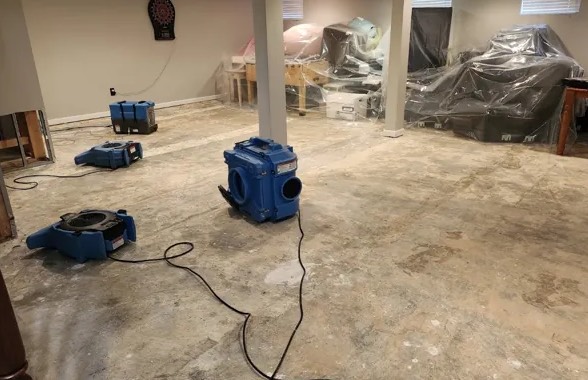
Expert Rapid Structural Drying for Livingston Properties
The goal of any water damage response is to return the structure to a pre-loss condition. For homes in Livingston, achieving this requires professional-grade equipment and proven methods.
Structural moisture removal in Livingston addresses both visible and hidden water damage in homes and businesses. Service areas include nearby locations like Albany, Springfield and Port Vincent for added convenience.
Rapid Structural Drying Methods and Techniques
Wall Cavity Drying
Interior walls can absorb significant moisture from leaks or floods. Wall cavity drying involves accessing the space between studs to direct airflow and desiccant dehumidification.
Flood Drying Services
Widespread flooding presents a unique drying challenge. Services for this scenario involve creating drying chambers and managing airflows across large spaces.
Moisture Mapping Services
Hidden water damage can undermine drying efforts. Moisture mapping services employ thermal imaging cameras and sophisticated meters to detect anomalies behind surfaces.
Concrete Slab Drying
Water under or within a concrete slab can wick upward for weeks. Moisture meters track the slab's drying progress daily.
Crawl Space Drying
Drying removes pooled water and addresses residual moisture in soil and joists with a system tailored to the space's size and conditions.
Indications for Rapid Structural Drying
Visible Water Stains on Walls
Yellow or brown stains on drywall or ceilings mean water got into the material and may still be inside.
Soggy or Spongy Drywall
Drywall that feels soft to the touch has absorbed a lot of water and needs drying right away.
Recent Plumbing Leak or Flood
Any recent leak or flood can leave water inside walls and floors even after surfaces look dry.
Warped or Bubbling Floorboards
Hardwood floors that buckle or cup have taken on moisture from below, usually from a wet subfloor.
How Rapid Structural Drying Works in Livingston
Step 1: Emergency Response and Moisture Detection
Local moisture removal experts use meters and thermal cameras to find all wet areas and decide which to dry first.
Step 2: Setup of Airflow and Dehumidification
A balanced system of airflow and structural dehumidification is established to pull moisture from materials and condense it out of the air.
Step 3: Specialized Drying for Concrete and Cavities
Specialized techniques like concrete slab drying and forced cavity drying are applied to address moisture trapped in the most challenging structural components.
Step 4: Final Structural Integrity Confirmation
Final moisture readings are recorded for each area to confirm the structure is dry before repairs begin.
How Water Damage Leads to Rapid Structural Drying in Livingston
Clogged Gutters and Downspouts
When gutters overflow, water pools against the foundation and can seep into crawl spaces, slabs and lower walls.
HVAC System Condensation Issues
Clogged drain lines or faulty condensate pumps from air handlers can cause significant water damage inside walls and ceilings.
Appliance Malfunctions and Leaks
Faulty water heaters, washing machines, or dishwashers can leak slowly, causing hidden damage in walls and floors over time.
Severe Weather and Flooding
Heavy rainfall or localized flooding can overwhelm drainage, leading to water intrusion.
Both Home and Business Rapid Structural Drying
Residential Rapid Structural Drying
Crawl space drying is critical in homes to stop wood rot and pest infestation. The pros run drying ducts and desiccant dehumidifiers under the house until it reads dry.
Commercial Rapid Structural Drying
Offices get drying plans that run in phases, floor by floor, so wall cavities and ceiling plenums are dried with the least disruption.
Rapid Structural Drying vs. DIY: When to Call Moisture Removal Experts
Pull back baseboards carefully to inspect for hidden water in wall cavities, but do not puncture drywall. This visual check can help assess the extent.
Pricing Considerations for Rapid Structural Drying in Livingston
In Livingston, the cost of professional structural drying is influenced by the number of rooms affected and the type of materials involved. Drying thick concrete slabs or enclosed wall cavities typically requires more resources.
Secondary Damage Prevention
Efforts to prevent mold growth during the drying process, such as applying antimicrobials, can be a factor in the service cost.
Water Contamination Category
Clean water from a broken pipe is simpler to address than contaminated flood water, which requires more extensive safety and drying protocols.
Extent of Water Damage
The square footage and depth of saturation in materials like drywall and subflooring directly impact the drying time and equipment needed.
Does Insurance Cover Rapid Structural Drying?
Whether insurance covers emergency structural drying in Livingston is determined by your specific policy language. It is essential to confirm coverage details with your insurance provider before authorizing any major work.
The Importance of Expert Rapid Structural Drying
Advanced Moisture Detection
Tools like thermal imagers and moisture meters are used for accurate moisture mapping to find hidden water.
24/7 Emergency Response
Help is available day or night to begin the rapid structural drying process and limit further damage.
Industrial-Grade Drying Equipment
High-capacity air movers and dehumidifiers dry crawl spaces and concrete slabs, which hold water longest.
Emergency Moisture Removal for Livingston
After a burst pipe or flood in Livingston, call (504) 608-0810 any time, day or night, so drying can start before materials soak further.
Call Now (504) 608-0810Rapid Structural Drying Near Livingston: Areas Served
The experts dry homes and businesses in Livingston after water damage, and also serve nearby locations including Albany, Springfield and Port Vincent.
- Rapid Structural Drying in Albany
- Rapid Structural Drying in Springfield
- Rapid Structural Drying in Port Vincent
- Rapid Structural Drying in Killian
- Rapid Structural Drying in French Settlement
- Rapid Structural Drying in Hammond
- Rapid Structural Drying in Natalbany
- Rapid Structural Drying in Independence
- Emergency Damage Restoration in 70754
- Storm Damage Restoration in 70754
- Water Damage Restoration in 70754
- Water Extraction Service in 70754
- Water Leak Detection in 70754
- Water Removal Service in 70754
Rapid Structural Drying FAQs
What areas of a home need structural moisture removal?
Structural moisture removal often targets concealed areas like behind walls, under floors, within ceiling cavities, and in support beams where water can linger and cause hidden damage.
Why is fast response critical for structural drying?
A fast response limits the extent of water absorption into materials, reduces the drying time required, and helps minimize the potential for costly repairs related to structural decay or mold.
Is rapid structural drying needed for clean water leaks?
Yes, even clean water from a broken pipe requires rapid structural drying to prevent absorption into porous materials, which can lead to swelling, warping, and potential mold.
What is the goal of commercial structural drying?
The goal of commercial structural drying is to quickly restore a safe, dry environment for business operations by removing moisture from building materials and contents to prevent long-term damage.
What equipment is used for water mitigation drying?
Water mitigation drying utilizes industrial air movers for evaporation, high-capacity dehumidifiers to remove vapor, and moisture meters to monitor progress throughout the structural drying process.