Trusted by 155+ Homeowners A
What Support Resources Exist After A Natural Disaster?
- Over 156 5-Star Reviews
- Free Estimates and Quotes
- 100% Satisfaction Guaranteed
- Child, Family & Pet Safe Steps
- 24-Hour Emergency Service
- Fully Licensed & Insured
Support resources after a natural disaster are vital for recovery. You can find help from government agencies, non-profits, and community organizations.
Navigating the aftermath of a natural disaster can feel overwhelming, but numerous support resources exist to help you rebuild. These resources offer financial aid, emotional support, and practical assistance.
TL;DR:
- Immediate safety and shelter are top priorities after a disaster.
- Government agencies like FEMA offer financial and direct assistance.
- Non-profit organizations provide essential services like food, clothing, and emotional support.
- Community groups and local charities offer neighborhood-level aid.
- Professional restoration services are key for safe and effective property repair.
What Support Resources Exist After a Natural Disaster?
After a natural disaster strikes, the road to recovery can seem long and daunting. Fortunately, you are not alone. A network of support resources is available to help you and your family. These can range from large federal programs to local volunteer groups. Understanding what’s available is the first step in accessing the help you need. We found that many people are unaware of the full spectrum of aid. It’s important to know your options early on.
Government Assistance Programs
Federal agencies play a massive role in disaster recovery. The Federal Emergency Management Agency (FEMA) is often the first point of contact. FEMA provides financial assistance for housing, repairs, and other essential needs. They also offer guidance on how to begin the recovery process. Research shows that applying for FEMA aid can be complex. Understanding the process for filing FEMA claims after a natural disaster is crucial. This includes knowing how to appeal denied disaster assistance if necessary. Many states also have their own emergency management agencies that supplement federal efforts.
FEMA Individual Assistance
FEMA’s Individual Assistance program is designed for homeowners and renters. It can help cover expenses not met by insurance. This might include temporary housing, home repairs, and replacing essential personal property. You’ll need to register with FEMA to be considered. We found that timely registration is key to receiving aid. Do not wait to get help if you qualify.
Other Federal Agencies
Beyond FEMA, other federal bodies offer support. The Small Business Administration (SBA) provides low-interest disaster loans for homeowners, renters, and businesses. These loans can help repair or replace damaged property. The Department of Housing and Urban Development (HUD) may offer housing assistance programs. These programs can help with long-term housing solutions.
Non-Profit and Charitable Organizations
Numerous non-profit organizations step in to fill critical gaps. These groups often provide immediate relief and long-term support. They are vital for communities recovering from widespread damage. Many work directly with affected individuals to provide tailored assistance.
The American Red Cross
The American Red Cross is a well-known organization. They provide shelter, food, and comfort to those displaced by disasters. They also offer health and mental health services. Their volunteers are often among the first responders on the ground. We found their services to be a critical lifeline for many.
Volunteer Organizations Active in Disaster (VOAD)
VOAD is a network of organizations that coordinate disaster relief efforts. They help streamline services and avoid duplication of aid. Many local charities and faith-based groups are members of VOAD. This network ensures that help is delivered efficiently and effectively. Consider seeking out local VOAD members for assistance. They can help with tasks like debris removal and rebuilding.
Food Banks and Clothing Closets
Access to basic necessities like food and clothing is a primary concern. Disaster-affected areas often see an outpouring of donations. Food banks and community clothing closets become essential hubs. They ensure families have what they need to survive the immediate aftermath. These services are typically free of charge.
Community and Local Support
Sometimes, the most immediate and impactful help comes from your own community. Local initiatives can be incredibly effective. They often understand the specific needs of the area.
Neighborhood Groups and Mutual Aid Networks
Neighbors helping neighbors is a powerful force. Informal neighborhood groups and mutual aid networks spring up after disasters. They organize cleanups, share resources, and provide emotional support. These groups are invaluable for fostering a sense of shared recovery. They can mobilize quickly to address urgent local needs. Many experts say this local solidarity is key to resilience.
Local Government and Emergency Services
Your local city or county government is a primary resource. They coordinate emergency response, provide public safety information, and manage shelters. They can direct you to local aid programs and resources. Stay informed through official local channels. This ensures you receive accurate and timely updates. Your local emergency management office is a good starting point.
Specialized Restoration and Repair Support
Once immediate needs are met, property restoration becomes paramount. Dealing with damaged property requires expertise. Hidden issues can arise, posing serious health risks. For instance, water damage can lead to mold growth. We found that quick action is essential to prevent further deterioration. Understanding cleanup steps after property damage is important. However, some damage requires professional intervention.
Documenting Damage
Before any repairs begin, documenting the damage is crucial. This is vital for insurance claims and government aid applications. Take photos and videos of all affected areas and items. This documentation serves as proof of loss. Learning how to document your home before a disaster strikes can save you immense trouble later. This includes creating an inventory of your belongings. Preventing hidden property damage often starts with thorough documentation.
Professional Restoration Services
For significant damage, professional restoration companies are essential. They have the training and equipment to handle complex situations. This includes water extraction, mold remediation, and structural repairs. Engaging a professional restoration after disasters can ensure the job is done correctly. They can help identify and address all issues. This includes preventing hidden property damage that might go unnoticed by homeowners.
Safety Concerns After Disasters
Safety is a top priority when assessing damage. Damaged structures can be unstable. Electrical systems may be compromised. Furthermore, hazards like carbon monoxide poisoning are a risk. We found that understanding why carbon monoxide is a risk after natural disasters is vital. This is especially true when using generators or alternative heating sources. Always prioritize your safety and the safety of your family. If you suspect structural damage, do not enter the building until it’s deemed safe. Call a professional right away.
Financial and Legal Aid
Disaster recovery often involves financial and legal hurdles. Several resources can assist with these challenges.
Legal Aid Societies
Many areas have legal aid societies that offer free or low-cost legal assistance. They can help with issues like insurance claim disputes, landlord-tenant problems, and FEMA application appeals. Their guidance can be a lifesaver when navigating complex legal matters. Getting expert advice today can prevent future problems.
Disaster Recovery Centers
FEMA and its partners often set up Disaster Recovery Centers (DRCs). These centers bring various agencies and organizations together in one location. You can get information, apply for aid, and receive assistance with your recovery plan. They are a convenient way to access multiple support resources. This is a great place to learn about FEMA assistance after disasters.
Emotional and Mental Health Support
The emotional toll of a natural disaster can be immense. Trauma, stress, and anxiety are common. Support for mental well-being is just as important as physical recovery.
Disaster Distress Helpline
The Substance Abuse and Mental Health Services Administration (SAMHSA) operates the Disaster Distress Helpline. This is a national hotline for people experiencing emotional distress due to disasters. You can call or text them at any time for confidential support. It’s a free service that connects you with trained crisis counselors. This support is essential for coping with the aftermath. We found that many people benefit from speaking with a professional.
Local Mental Health Services
Many communities have local mental health services that offer counseling and support groups. These services can help individuals and families process their experiences. They provide a safe space to talk about feelings and develop coping strategies. Prioritizing mental health is a key part of a complete recovery.
Conclusion
Recovering from a natural disaster is a challenging journey. However, a robust network of support resources is available to help you. From government aid and non-profit services to community initiatives and professional restoration experts, you have allies. Remember to prioritize safety, document everything, and seek help early. The New Orleans Restoration Team is here to assist with your property restoration needs, offering expert guidance and services to help you rebuild. We understand the unique challenges faced after a disaster and are committed to helping our community recover.
What is the first step after a natural disaster?
The very first step is to ensure your safety and the safety of those around you. Check for immediate dangers like gas leaks, structural damage, or downed power lines. If your home is unsafe, evacuate to a designated shelter or a safe location. Then, begin assessing the damage to your property.
How can I get financial help after a disaster?
You can seek financial help from various sources. FEMA provides individual assistance for housing and essential needs. The Small Business Administration (SBA) offers low-interest loans for repairs. Insurance claims are also a primary source of financial recovery. Non-profit organizations may offer grants or direct financial aid for specific needs.
Who should I contact for immediate shelter and food?
For immediate shelter and food, the American Red Cross is a primary resource. Local emergency management agencies and community shelters also provide these essential services. Many faith-based organizations and food banks also step up to offer assistance.
When should I call a professional restoration company?
You should call a professional restoration company as soon as possible after ensuring your safety and contacting your insurance company. For issues like significant water damage, mold growth, or structural concerns, acting quickly is crucial. Professional restoration services can prevent further damage and ensure safe, effective repairs. This is especially important for preventing hidden property damage.
How do I find local support groups?
To find local support groups, check with your local government’s emergency management office. They often have lists of available resources. Websites like VOAD (Volunteer Organizations Active in Disaster) can also help you locate local member organizations. Community centers and places of worship are also good places to inquire about local aid and support networks.
𝗣𝗿𝗼𝗳𝗲𝘀𝘀𝗶𝗼𝗻𝗮𝗹 𝗕𝗮𝗰𝗸𝗴𝗿𝗼𝘂𝗻𝗱
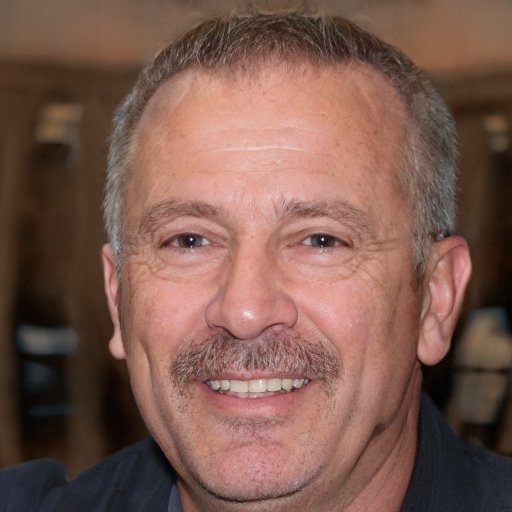
Ervin Williamson is a licensed Damage Restoration Expert with over 20 years of industry experience. Known for his technical precision and authoritative approach, Ervin has spent two decades restoring safety to homes and businesses across the country.
𝗖𝗲𝗿𝘁𝗶𝗳𝗶𝗰𝗮𝘁𝗶𝗼𝗻𝘀
His expertise is backed by comprehensive IICRC certifications, including Water Damage Restoration (WRT), Mold Remediation, Applied Structural Drying (ASD), Odor Control, and Fire and Smoke Restoration.
𝗕𝗲𝘀𝘁 𝗣𝗮𝗿𝘁 𝗼𝗳 𝘁𝗵𝗲 𝗝𝗼𝗯
Ervin finds the most fulfillment in providing peace of mind during crises. He prides himself on turning a chaotic property loss into a seamless recovery process for his clients.
𝗙𝗮𝘃𝗼𝗿𝗶𝘁𝗲 𝗣𝗮𝘀𝘁𝗶𝗺𝗲
When he isn’t on-site, Ervin enjoys restoring vintage furniture and hiking local trails with his family.